Address
304 North Cardinal
St. Dorchester Center, MA 02124
Work Hours
Monday to Friday: 7AM - 7PM
Weekend: 10AM - 5PM
Address
304 North Cardinal
St. Dorchester Center, MA 02124
Work Hours
Monday to Friday: 7AM - 7PM
Weekend: 10AM - 5PM
Rail lighting vs track lighting: one product, two names. See what the two terms hide — adapter formats, beam angles and the numbers that decide the light.
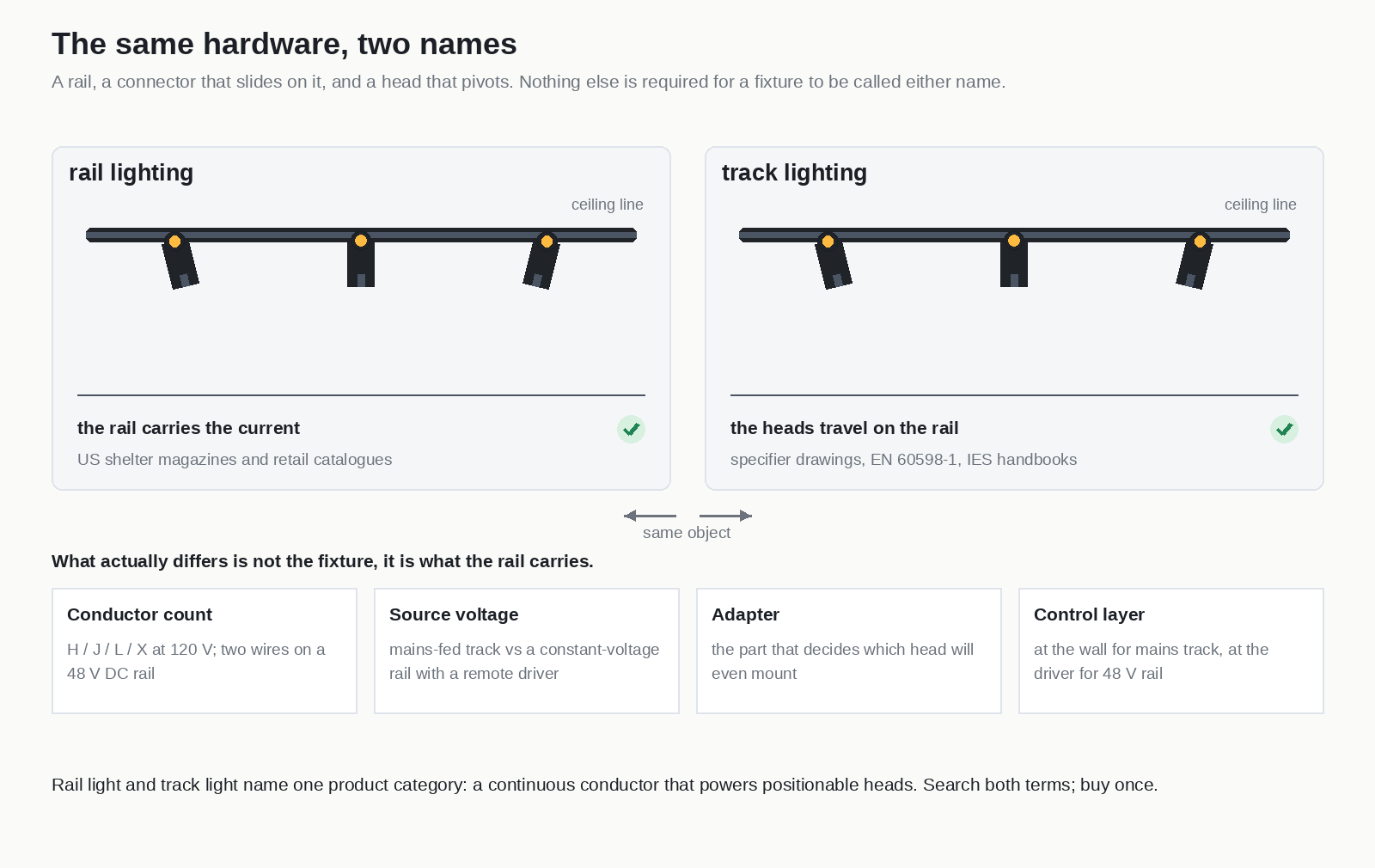
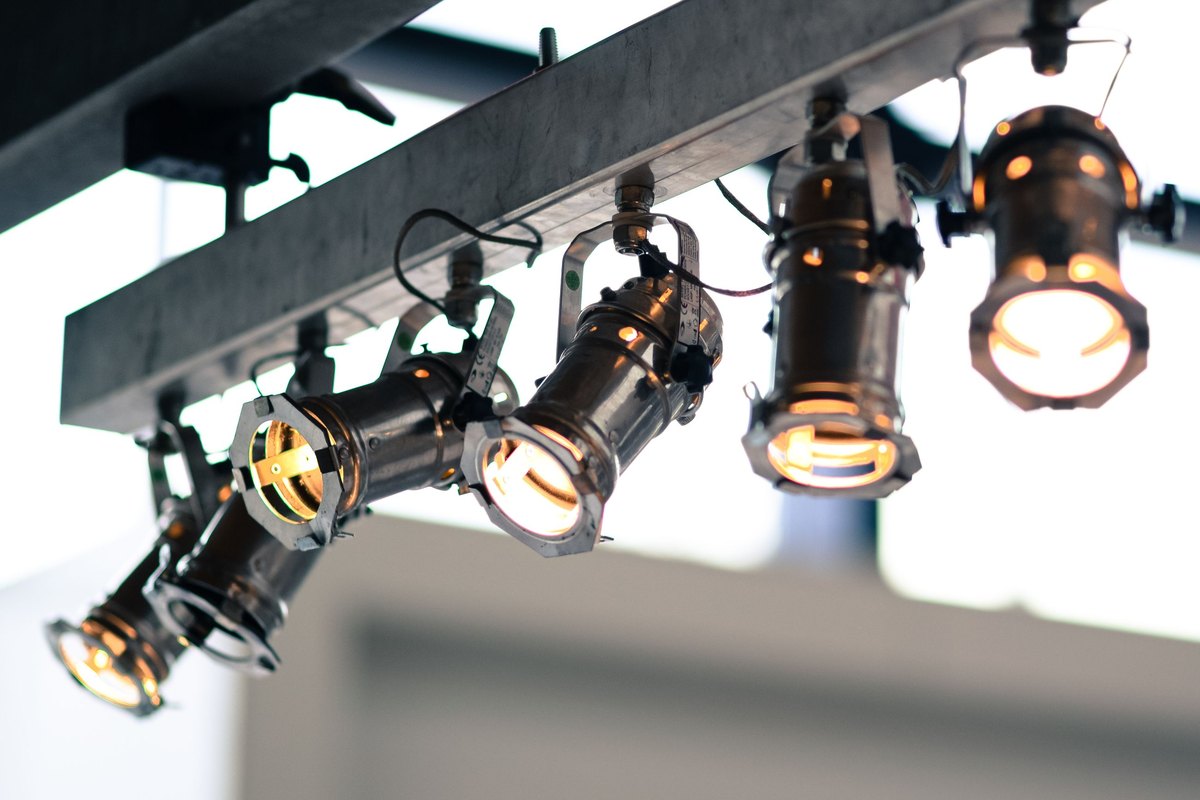
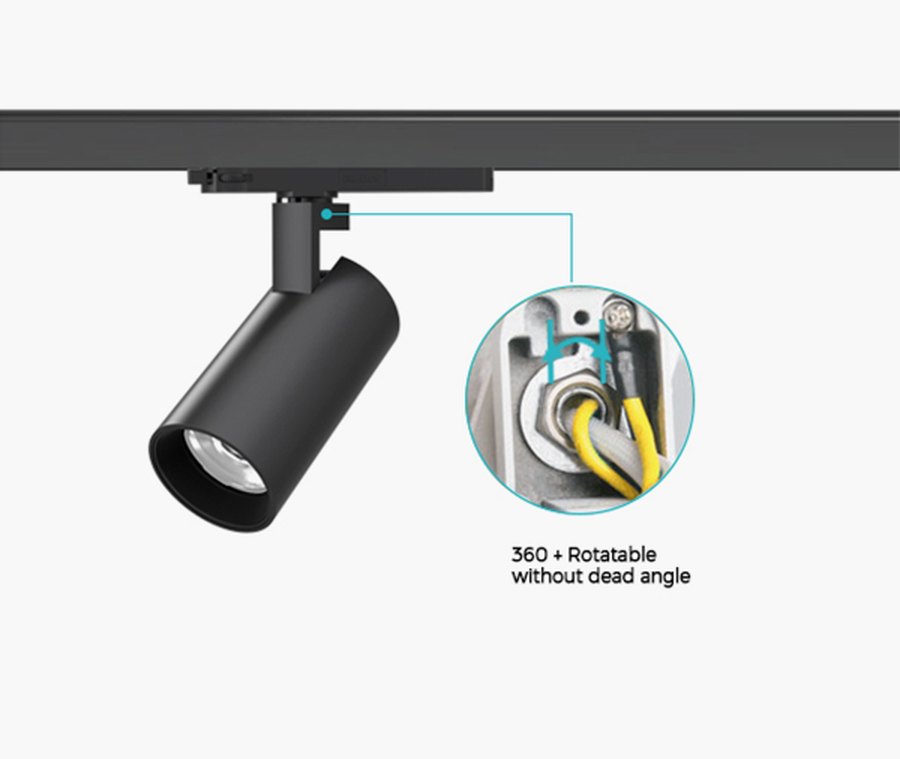
Rail lighting and track lighting are the same thing. Both names describe a continuous conductor fixed to the ceiling or wall, carrying heads that clip on, slide along it and pivot to aim. Shops call it rail lighting; specifier drawings, the standards and photometric files call it track lighting. If you are comparing rail light vs track light, stop looking for a difference in the hardware — there isn’t one. What differs is what the rail carries, and that is where projects actually go wrong.
This page settles the wording, then spends its numbers where the naming question leaves you: conductor format, adapter compatibility, what a head does to the surface below it, and how the two names behave in a search bar. If you are still deciding between head shapes rather than names, the track lighting vs pendant lighting comparison is the right page instead.
The distinction is editorial, not technical. US shelter magazines and retail catalogues write “rail lighting” because the rail is the visible part. Architects, lighting designers and the standards they work to write “track lighting” because the track is the electrical system. Open a product catalogue and you will find the same family listed under both headings, with the same adapters and the same heads.
One caveat worth knowing before you type either name into a search bar. “Track” also means a stage or studio rig with clamps, barndoors and safety bonds, and “rail” also means a rail vehicle, a stair rail or a garden rail with lamps on it. Neither is a lighting system for an interior. Add interior, ceiling or spot when the results drift.
Rail is the mechanical part: an extruded profile, one to four metres long, mounted to a surface or suspended. Track is the same profile considered as an electrical circuit — the conductors inside it, the feed point at one end, the adapter that taps the circuit where the head sits. So rail lighting is the fixture you see, and track lighting is the system you wire. One product, two viewpoints.
If the fixture is identical, the decision moves to four things. Conductor format (H / J / L / X at 120 V, or a 48 V DC pair). Source voltage (mains at the rail versus a constant-voltage rail with a remote driver). The adapter, which decides whether a given head will mount at all. And the control layer — a dimmer or DALI bus at the wall for mains track, the driver for a 48 V rail.
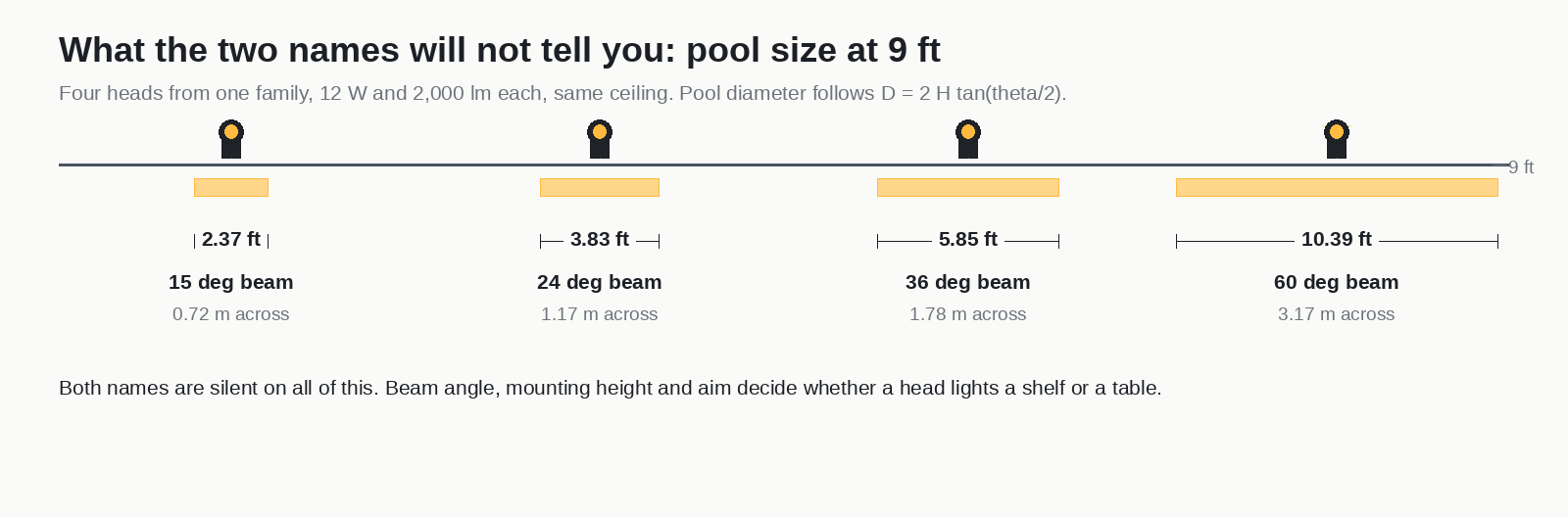
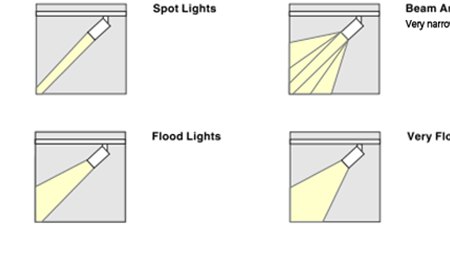
Here is the part that costs money. Neither term carries a single photometric number. A 15 ° spot and a 60 ° flood are both “track lighting”, and both are “rail lighting”. The pool of light on the surface below is set by beam angle, mounting height and aim — never by the name on the carton.
Take a head with 2,000 lm at the chip, mounted on a 9 ft (2.74 m) ceiling. Pool diameter on a perpendicular surface follows D = 2 · H · tan(θ/2):
Peak intensity behaves the opposite way. With flux fixed, a narrower beam packs the same lumens into a smaller solid angle, and illuminance at the surface scales with that solid angle. Narrowing from 36 ° to 15 ° lifts peak candela by 5.7×, and the same factor lands on the surface as lux.
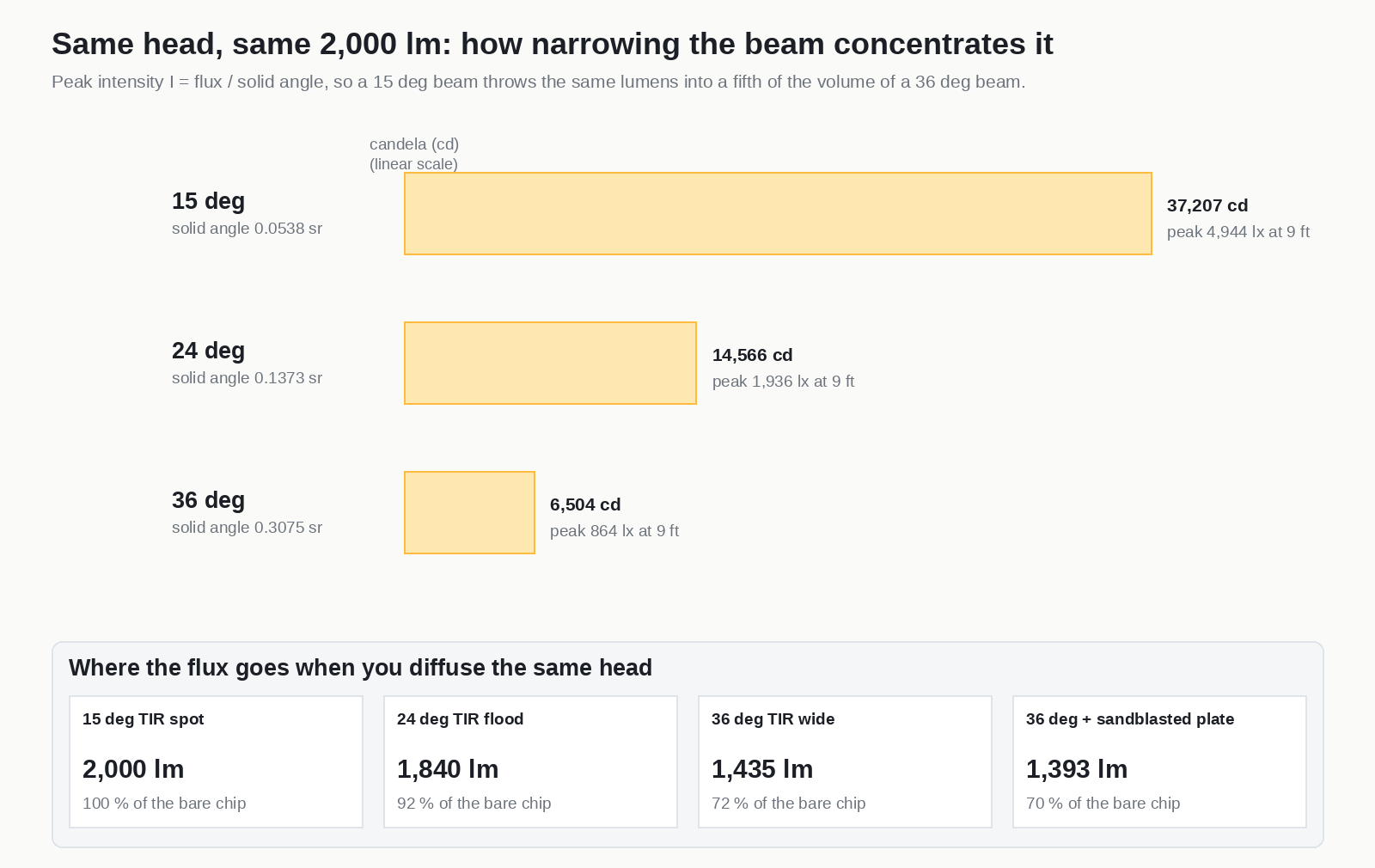
This is also why “add more heads” is often the wrong answer. At 9 ft a 15 ° head already puts nearly 4,900 lx on its own pool, which is well past what a shelf or a counter needs. Widening the beam and spacing the heads is usually cheaper than buying a fourth fixture — the arithmetic for that lives in our guide to track lighting spacing.
This is where “same product, two names” stops being harmless. A head is interchangeable only as far as its adapter. An H-track head will not clip onto a J-track rail, and no mains-track head will accept a 48 V magnetic head. If you are matching a new head to an existing rail — the common case in a renovation — the adapter is the whole specification.
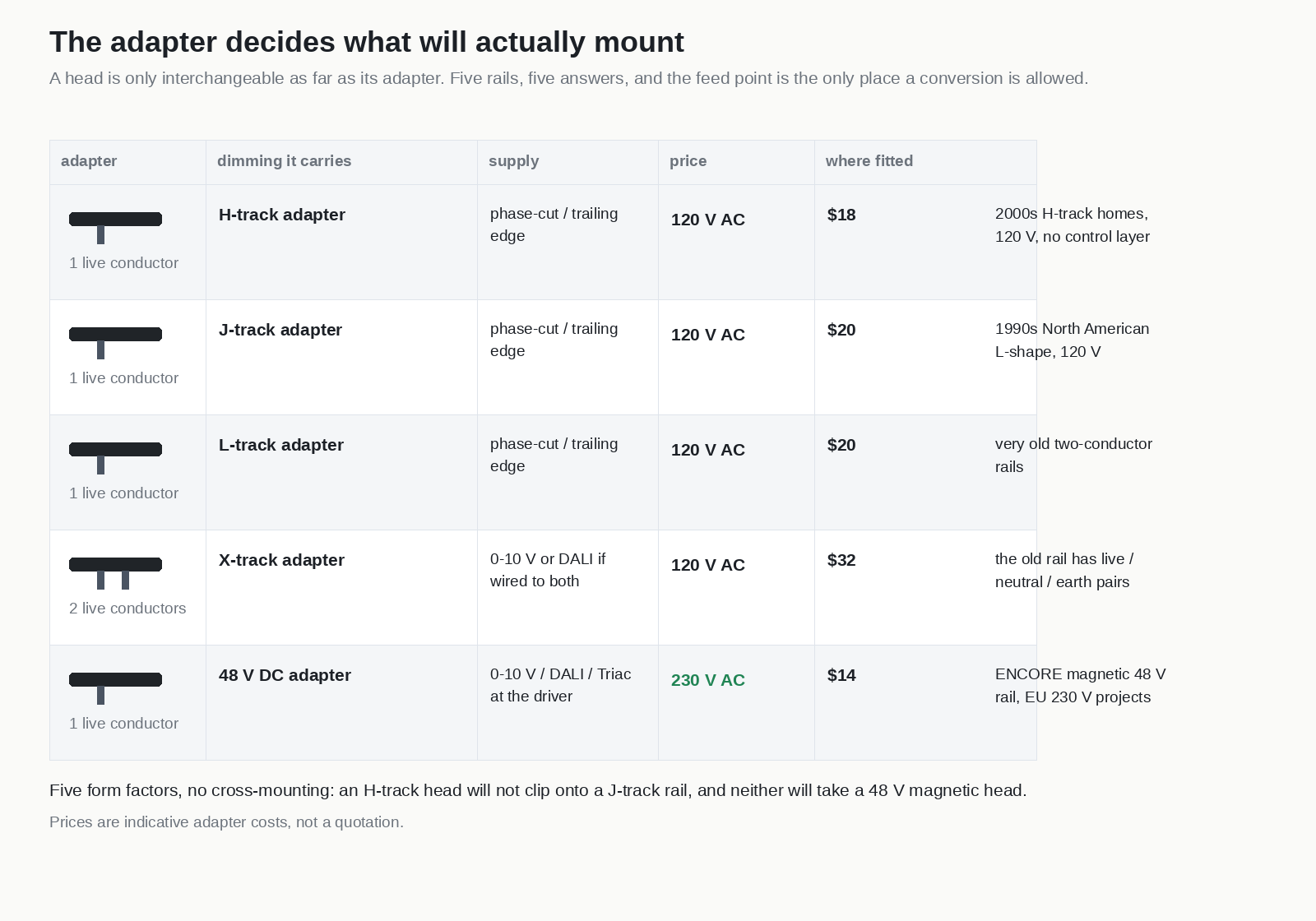
| Rail format | Live conductors | Supply | Dimming it carries | Fitted when |
|---|---|---|---|---|
| H-track | 1 | 120 V AC | Phase-cut / trailing edge | 2000s North American homes, no control layer |
| J-track | 1 | 120 V AC | Phase-cut / trailing edge | 1990s L-shaped layouts |
| L-track | 1 | 120 V AC | Phase-cut / trailing edge | Very old two-conductor rails |
| X-track | 2 | 120 V AC | 0-10 V or DALI if both pairs are wired | The existing rail has live / neutral / earth pairs |
| 48 V DC magnetic | 2 (low voltage) | 230 V AC driver, 48 V rail | 0-10 V / DALI / Triac, at the driver | New build or full refit, EU projects |
Two practical consequences. First, buy the adapter before the head: a head without the right adapter is scrap on site. Second, check the arithmetic on the rail itself. Ten 12 W heads on a 20 ft 48 V rail draw 120 W, which is 2.5 A on the bus, and if each rail segment drops 0.20 V the last head sees 46.0 V instead of 48 V — a 4 % loss that shows up as a slightly dimmer end of the run. Constant-current mains track does not have that problem; constant-voltage rail does, and the driver tap has to be sized for it.
In a refit, the rail is often the one item nobody wants to chase into the ceiling. Then the question is not rail vs track at all: it is which adapter the head needs, and whether the existing rail can carry the extra wattage. Photograph the rail end, count conductors, and read the label inside the feed box before ordering anything. A track lighting manufacturer should be able to identify the format from those two photos.
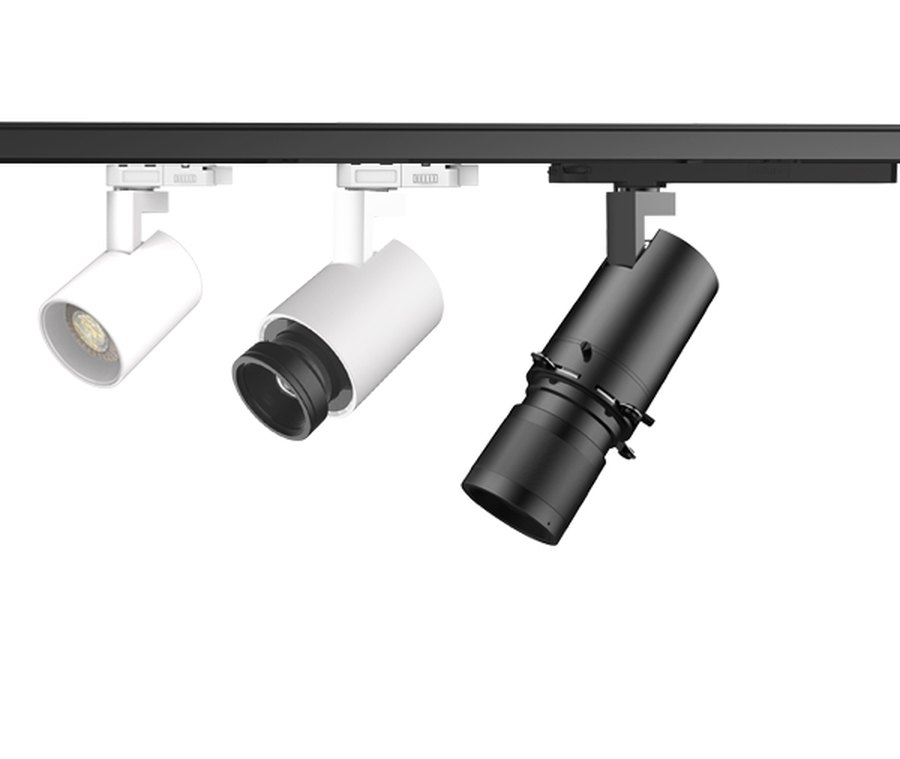
Both names return the same product category, but they return it with different neighbours. Use the one that matches the question you are actually asking, or you will spend an afternoon filtering results that answer a different question.
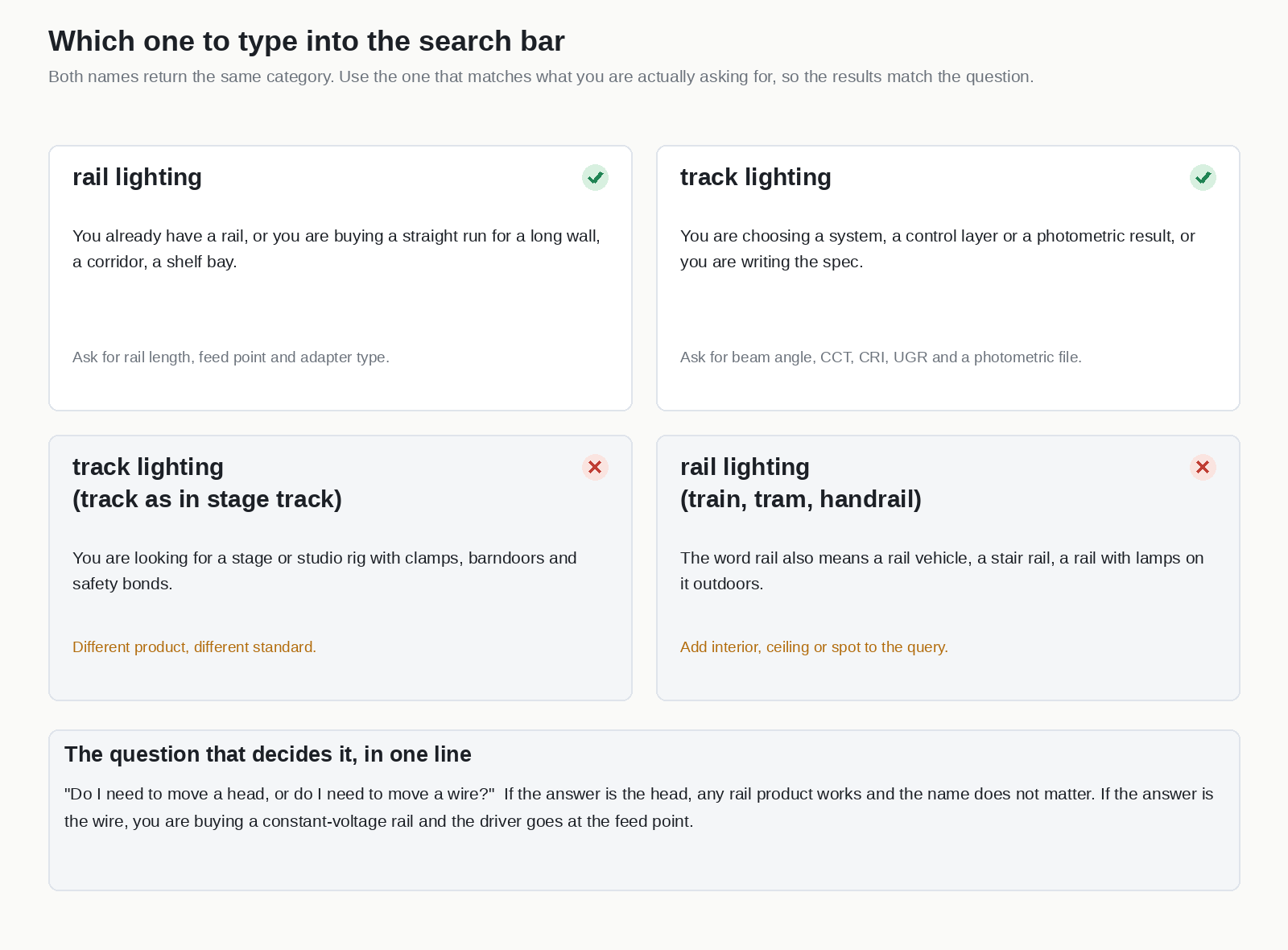
The one-line test: do I need to move a head, or do I need to move a wire? If the head, any rail product works and the name does not matter. If the wire, you are choosing a constant-voltage rail, and the driver goes at the feed point.
| Question | “Rail lighting” | “Track lighting” |
|---|---|---|
| What it names | The visible profile: rail, length, finish | The electrical system: conductors, feed, adapter, control |
| Who uses it | US shelter titles, retail catalogues, homeowners | Specifier drawings, EN 60598-1, IES handbooks, photometric files |
| Hardware | Identical. One rail, one adapter format, aimable heads. | |
| What it tells you about the light | Nothing | Nothing |
| Numbers you must ask for | Run length, feed position, adapter type | Beam angle, CCT, CRI, UGR, LOR, .ldt file |
| Typical failure | Rail bought for the room, heads bought for the wrong adapter | System chosen, then aimed by eye and never re-aimed |
Row three is the answer to the whole question. Rows four and five are why the article does not stop there.
If the products are identical, the naming only has consequences on the buying side: catalogue coverage, spec-sheet language and how a query is interpreted. “Track lighting” is the term that appears in product data sheets, so it returns photometric files and standards. “Rail lighting” is the term that appears in consumer catalogues, so it returns room photographs, kits and installed prices.
For a residential room refresh, rail lighting results are faster to shop. For anything that has to pass review — an office, a gallery, a retail rollout — track lighting results carry the documents you will be asked for: beam angle, colour rendering, glare rating, uniformity. Both are legitimate; they just answer different questions.
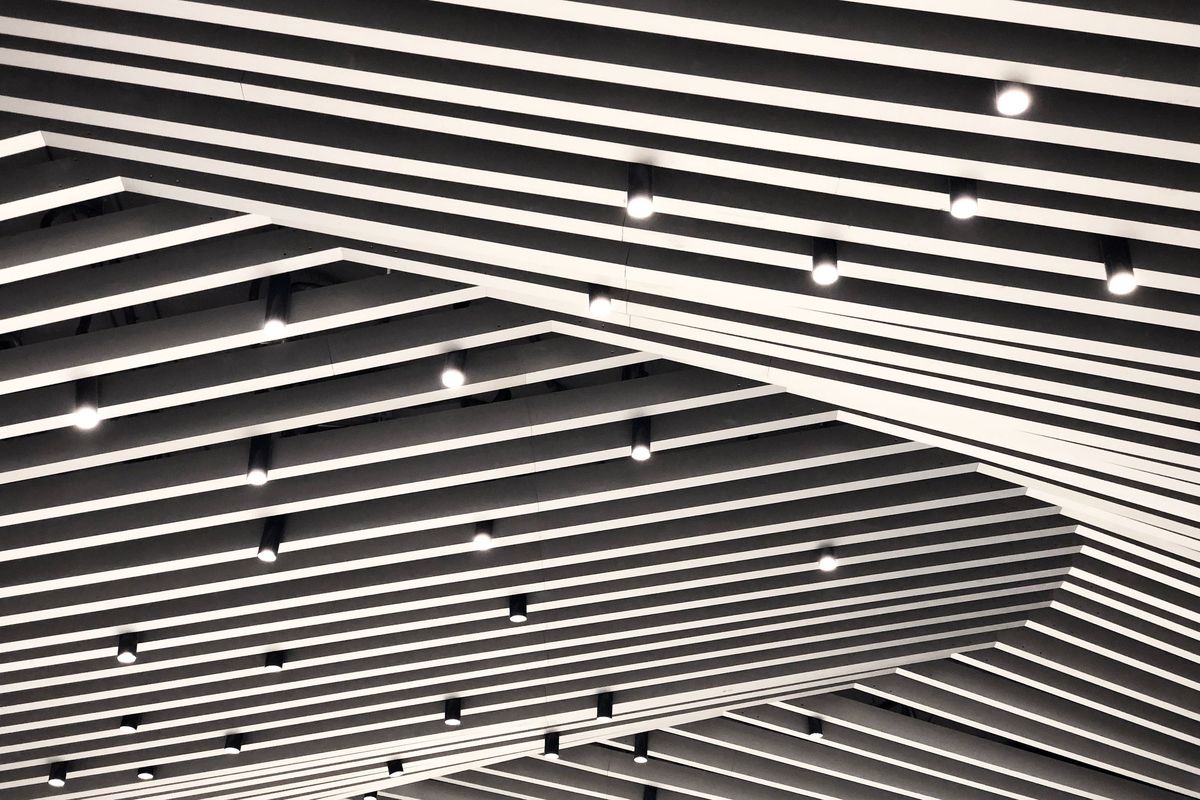
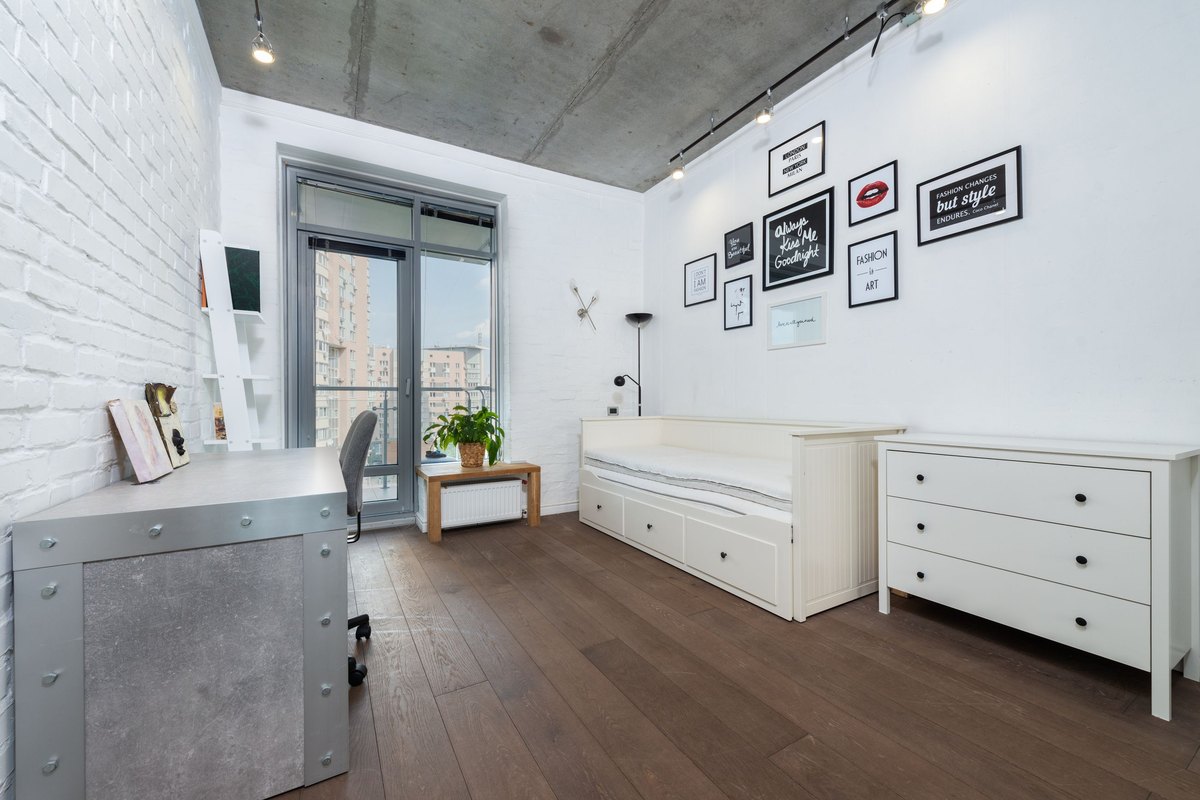
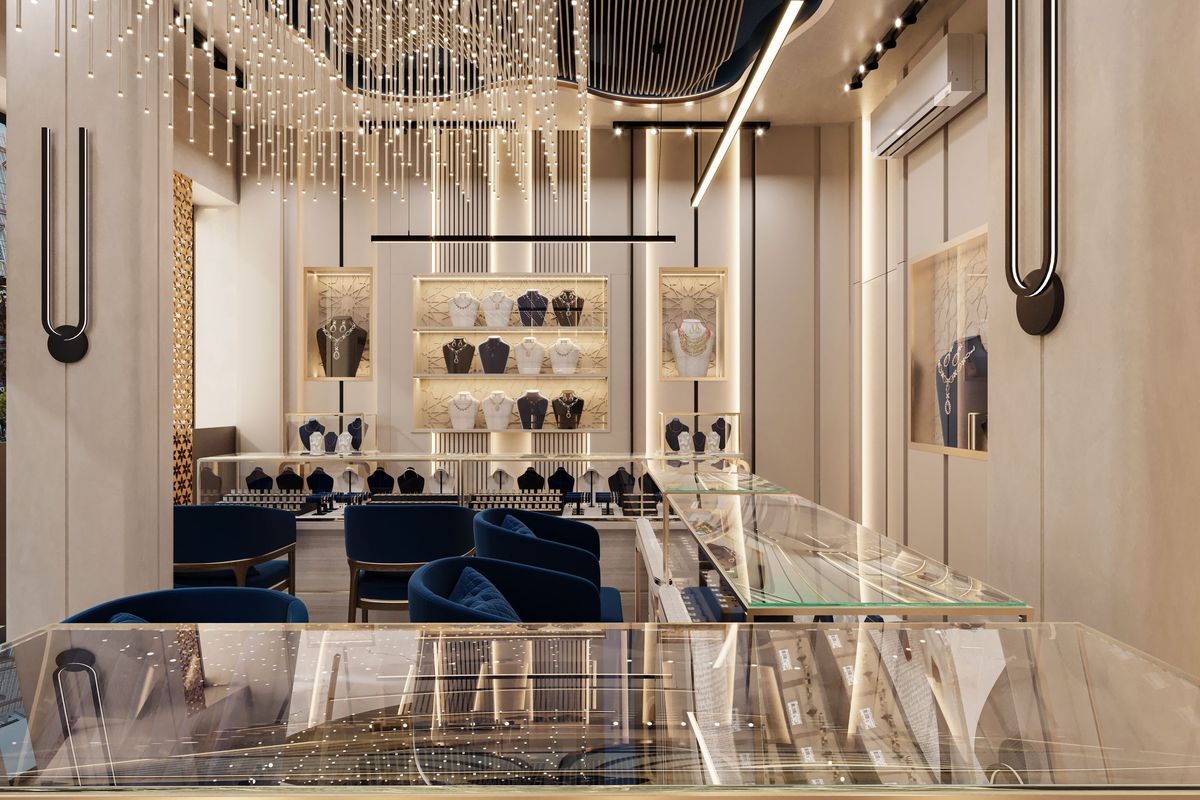
Long walls, corridors, shelf bays and anything that will be re-merchandised. A single straight run with heads at 2 ft centres gives you uniform wall or shelf light with one feed point, and re-aiming takes seconds. Retail, galleries and kitchens with a fixed run of counters all land here. The projects on our museum and gallery lighting pages are the extreme version of the same logic.


Rooms that need even ambient light with no visible source. Rails concentrate light, and a concentrated source in the field of view is glare — the counter-argument is arithmetic, not taste, and we work it through in glare-free lighting at UGR 19. Low ceilings are the other case: at 7.5 ft a 36 ° beam covers 4.9 ft on the floor, so the heads end up too close together to be worth the rail.
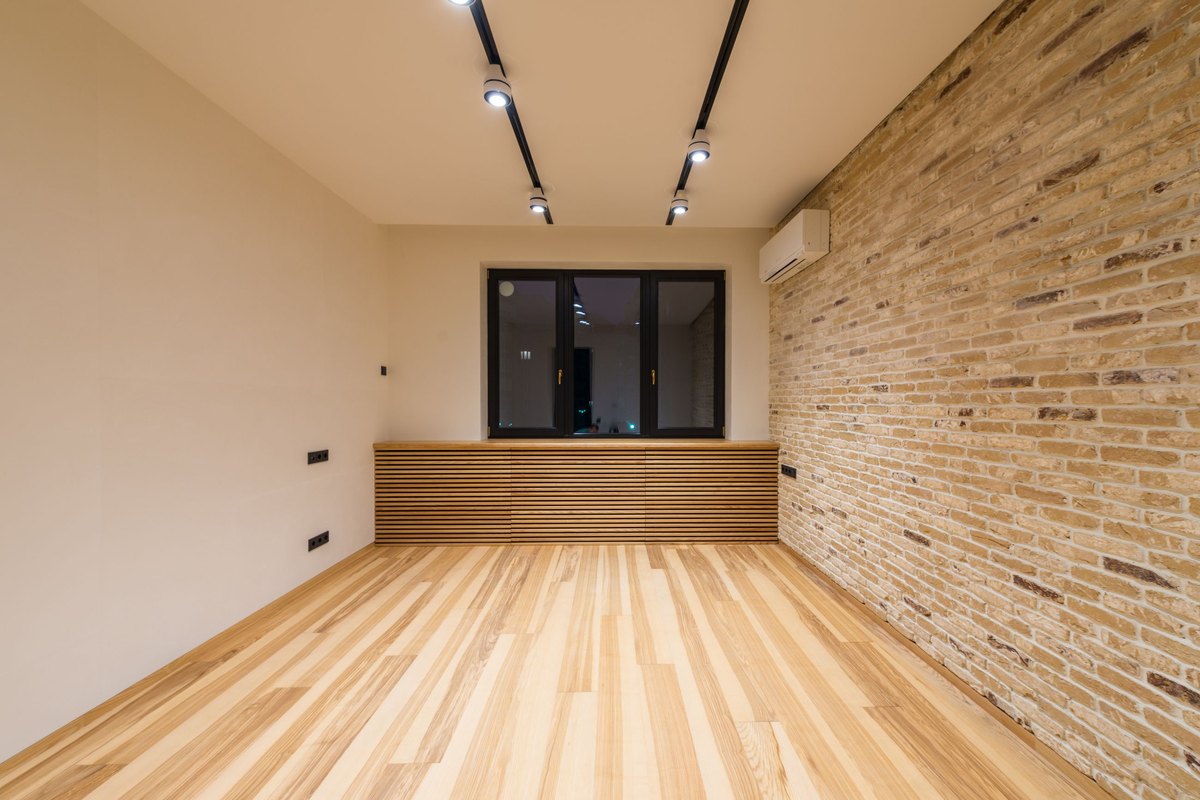
When you send a request for quotation, the word you use matters less than the list you attach. Four items kill almost all of the ambiguity:
Answer those four and the naming question disappears, because a quotation that returns the same numbers under either heading is the correct answer.
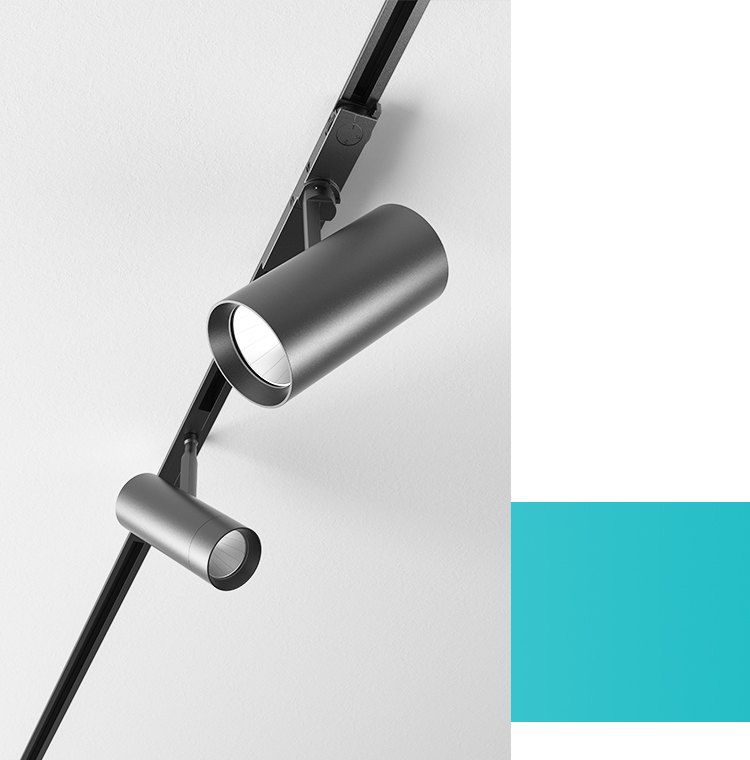
Yes. Both describe a continuous conductor on a surface carrying positionable heads. Rail lighting is the retail and shelter-magazine term; track lighting is the term used on drawings, standards and photometric files. The hardware is identical.
Only if the adapter matches. H, J, L and X track are four different mechanical and electrical formats at 120 V, and 48 V magnetic rail is a fifth. A head mounts on the format its adapter is made for; conversion happens at the feed point, not at the head.
Neither, because they are the same product. What changes the price is the adapter format, the head count and the control layer: a phase-cut mains track needs no driver on the rail, while a 48 V rail needs a remote driver sized for the total wattage.
Search “rail lighting” if you are shopping a room refresh and want installed photographs and kits. Search “track lighting” if you need beam angles, colour rendering, glare ratings or a photometric file for a drawing set. Add “interior” or “ceiling” to either to filter out stage rigs and handrails.
Set it from the pool diameter, not from habit. At 9 ft a 24 ° head makes a 3.83 ft pool, so 30 % edge overlap puts centres at 2.68 ft; a 36 ° head makes 5.85 ft and centres at 4.09 ft. Fix the beam angle first, then the spacing follows.
Rail lighting and track lighting are one product with two vocabularies. The name will not change what you get in the box; the adapter, the beam angle and the feed will. Specify those three, and the question of what to call it stops mattering.
ENCORE builds the rail, the adapters and the heads as one system, in 48 V magnetic and mains formats, with photometric files per head. If you are matching heads to a rail that already exists, send us the rail end and the feed box label and we will tell you which adapter format you have before you order anything.