Address
304 North Cardinal
St. Dorchester Center, MA 02124
Work Hours
Monday to Friday: 7AM - 7PM
Weekend: 10AM - 5PM
Address
304 North Cardinal
St. Dorchester Center, MA 02124
Work Hours
Monday to Friday: 7AM - 7PM
Weekend: 10AM - 5PM
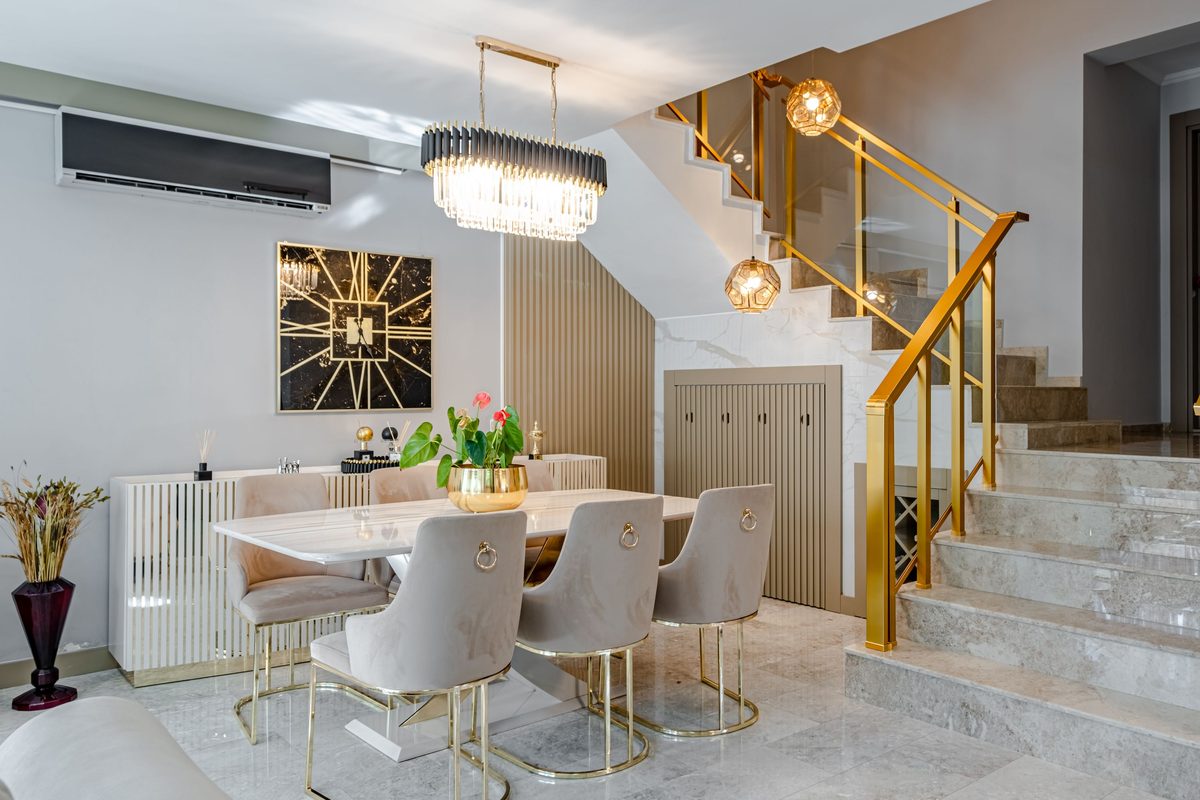
Choosing between track lighting vs pendant lighting comes down to one question: do you want light you can aim and move, or a fixed statement fixture that hangs in the middle of the room? Track lighting uses adjustable heads on a ceiling rail for flexible accent and task light, while pendant lighting suspends one or more decorative shades for a focused, design-led pool of light. This guide compares both across cost, style, brightness and best-use rooms so you can pick the right system for your kitchen or dining space.
Here is the short version. Track lighting is flexible and directional — perfect for highlighting counters, artwork and islands that you may rearrange. Pendant lighting is fixed and atmospheric — a single point of focus that anchors a dining table or kitchen island. Neither is universally better; each wins in different layouts and lighting goals.
In a long galley kitchen or a dining room where you want to wash a table with even light, track lighting gives you freedom to aim several heads exactly where needed. In an open-plan dining area where you want a sculptural focal point above the table, pendant lighting is usually the stronger bet. The table below summarises the main differences.
| Factor | Track Lighting | Pendant Lighting |
|---|---|---|
| Flexibility | High — heads slide and rotate along the rail | Low — fixtures hang in a fixed position |
| Light spread | Directional, aimable for accent & task | Focused downlight, softer ambient pool |
| Installation | One surface-mounted rail, minimal ceiling work | One or more ceiling-mounted cords/rods |
| Best for | Kitchen work zones, islands, art, flexible layouts | Dining tables, breakfast bars, focal decor |
| Style | Sleek, minimal, technical | Decorative, statement, residential warmth |
| Heat & energy | LED heads run cool and are efficient | LED pendants are also highly efficient |
| Cost | Moderate; fixtures add up per head | Varies by shade; often pricier for design |
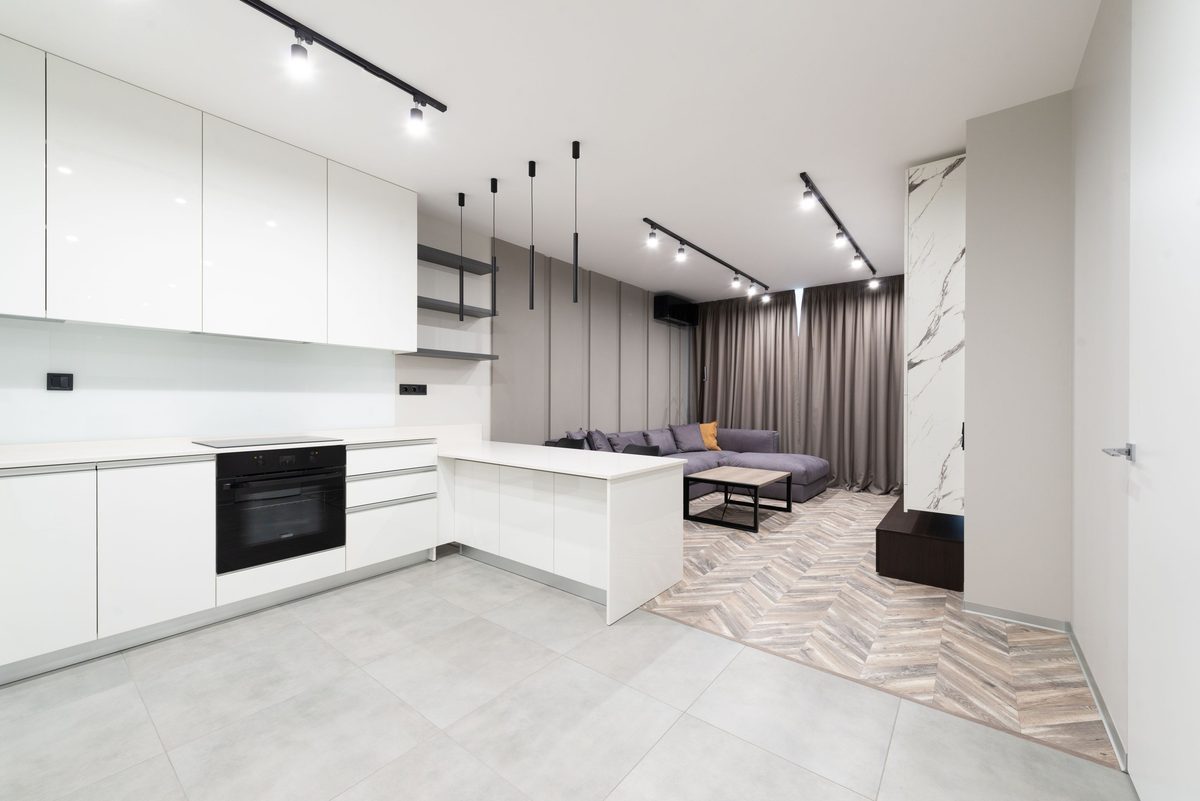
Track lighting is a system built around a continuous rail mounted to the ceiling or wall. Individual fixtures — spotlights, wall washers or zoomable heads — clip onto the rail and can be slid, rotated and aimed independently. This makes it ideal for spaces where you want to highlight rather than flood, and where furniture or displays change over time.
Because heads are independent, you can mix beam angles in one room: a narrow 15° spot on a sculpture, a 36° wash across a counter, and a wall washer grazing a textured backsplash. Track lighting pairs naturally with magnetic track systems and modular LED fixtures for maximum flexibility.
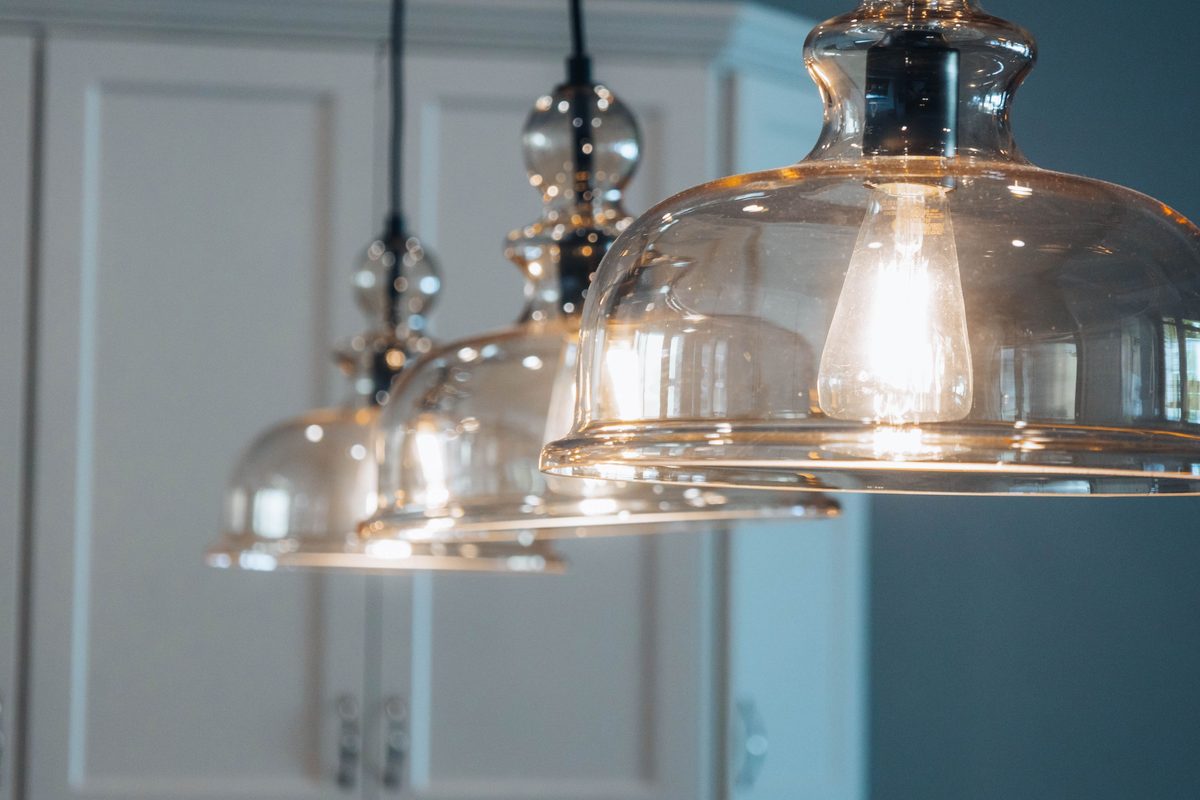
Pendant lighting suspends one or more shades from the ceiling by a cord, chain or rod. Each pendant casts a focused pool of light downward and doubles as a decorative element. Pendants are a classic choice for dining tables, kitchen islands, entryways and reading nooks where you want a clear visual anchor.
The key advantage of a pendant is its presence. A well-chosen shade adds texture, warmth and personality that a rail of spotlights rarely delivers. The trade-off is that pendants are fixed — you hang them in one spot, and that is where the light stays.
In a kitchen, the choice often comes down to flexibility vs. style. If you cook in defined zones and want to move light as your layout changes, track lighting wins. If your island is fixed and you want a design statement above it, pendants win.
For work surfaces, track lighting is hard to beat — you can angle a head directly over the cutting board and move it to the sink or hob as needed. For a warm, inviting breakfast bar, a row of pendants at 2700K–3000K creates a cosier feel.
Choose track lighting when you need task light that can adapt: galley kitchens, rental-friendly surface mounting, or spaces where you regularly re-arrange appliances and prep areas. Pair it with high-CRI LED heads so food colours look natural.
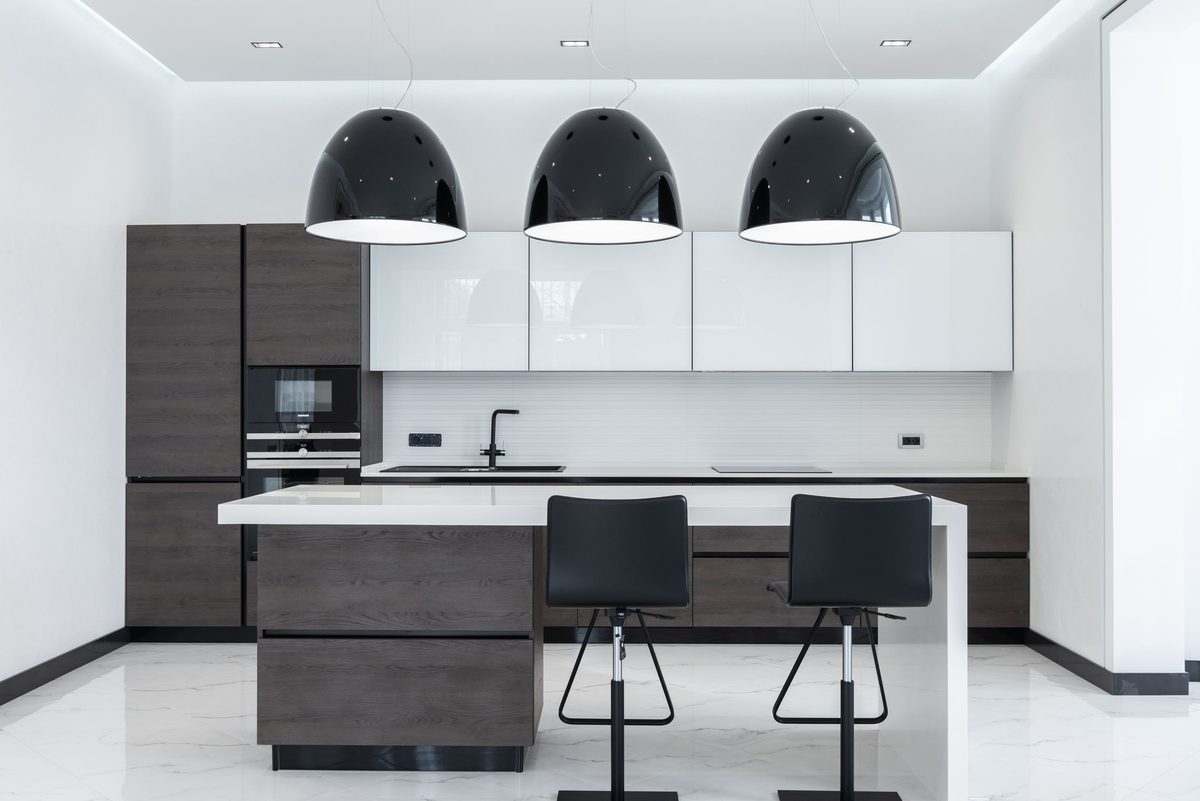
Choose pendants when the island or breakfast bar is a fixed focal point and you want ambient, decorative light with a residential feel. A row of three pendants over an island is a classic, efficient layout that anchors the whole room.
Over a dining table, pendants are the traditional, almost automatic choice — a single fixture or a small cluster suspended low (typically 30–36 inches above the tabletop) for an intimate, flattering pool of light. Track lighting offers a modern alternative: several heads aimed at the table from the perimeter, giving you wider, more even coverage and the ability to re-aim toward a buffet or bar when entertaining.
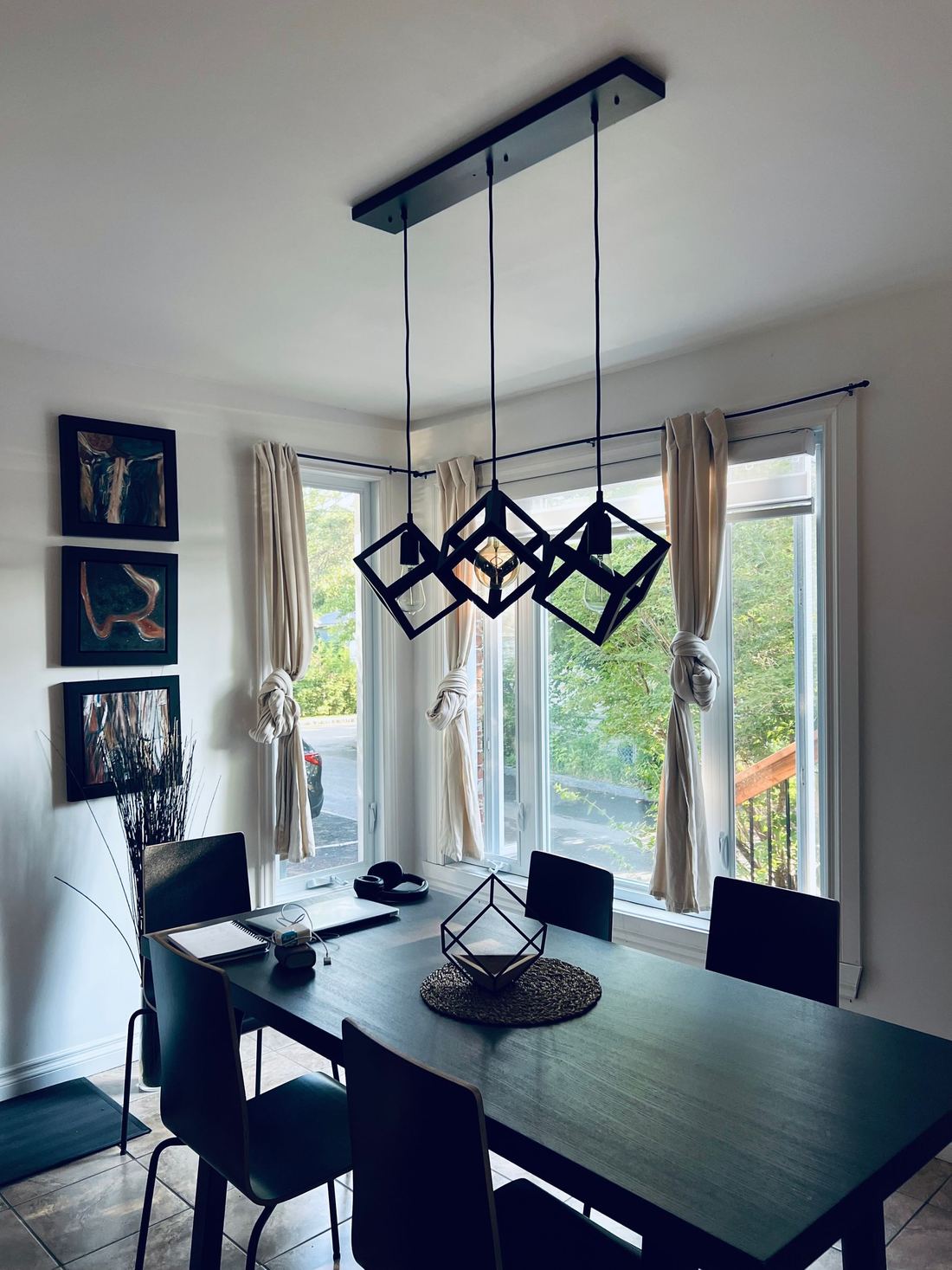
For flexible entertaining, track lighting lets you switch from a bright, evenly-lit dinner to an accent-lit drinks corner in seconds. For a classic, romantic dinner setting, nothing beats a dimmed pendant over the table.
On a per-fixture basis, decent LED track heads are generally more affordable than designer pendants. However, a full track system with multiple heads and a transformer can add up quickly. Pendants range from budget basic shades to premium designer pieces, so the total depends heavily on the style you choose. In both cases, LED sources keep running costs low and last for years.
If you are upgrading or building a new space, an experienced track lighting manufacturer can help you spec the right rail lengths, beam angles and colour temperatures for a balanced, code-compliant layout.
For task light over prep zones, track lighting is usually better because you can aim individual heads where you need them and adjust as you work. For a design focal point over a fixed island, pendants are the better choice.
Yes. Track lighting works well in dining rooms, especially for flexible entertaining and accent lighting. Aim several heads at the table for even coverage, and add a dimmer so you can lower the light for a cosy dinner.
A typical pendant hangs about 30–36 inches above the tabletop. Hang it higher (40+ inches) if the table is used for both dining and work, and consider the shade width so it doesn’t block sightlines across the table.
Absolutely. A common strategy is to use track lighting for task and accent light around the perimeter, then add a pendant (or cluster) as the central focal point. This gives you flexibility and style together.
Both are highly efficient when they use LED sources. Track lighting lets you aim light exactly where it is needed, which can reduce wasted light; pendants are efficient too. Compare wattage and look for ENERGY STAR-rated fixtures from the ENERGY STAR program for the best performance.
Track lighting and pendant lighting serve different jobs. Choose track lighting when you want flexible, re-aimable light for tasks, art and changing layouts. Choose pendants when you want a fixed, decorative focal point above a table, island or entryway. For many modern kitchens and dining rooms, the best answer is to mix both — and to pick quality, dimmable LED fixtures that will serve you for years. Need help planning your lighting layout? Contact our lighting team for a free quote.