Address
304 North Cardinal
St. Dorchester Center, MA 02124
Work Hours
Monday to Friday: 7AM - 7PM
Weekend: 10AM - 5PM
Address
304 North Cardinal
St. Dorchester Center, MA 02124
Work Hours
Monday to Friday: 7AM - 7PM
Weekend: 10AM - 5PM
Color temperature guide: 2700K to 4000K explained. Compare warm white vs cool white LED, pick the right Kelvin for every room. Shop Encore Lume lighting.
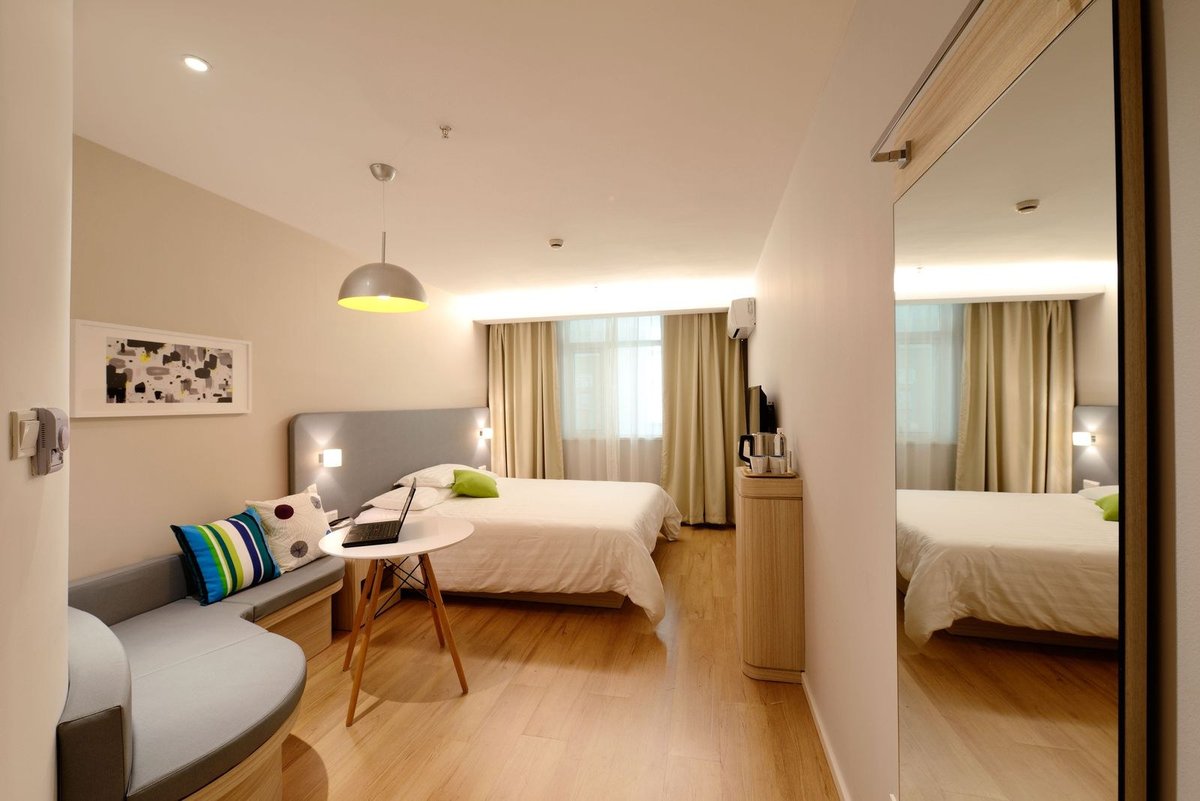
Color temperature is the single most important decision you make when choosing LED lighting — yet it is the one most people get wrong. Measured in Kelvin (K), color temperature describes how warm or cool a light source appears, from the soft amber glow of 2700K to the crisp, bright white of 4000K. This color temperature guide breaks down the full spectrum of color temperatures between 2700K and 4000K, explains what each value looks like, and helps you pick the right Kelvin for every room in your home or business.
Color temperature measures the visual warmth or coolness of white light, expressed in Kelvin. Lower numbers (2700K–3000K) produce warm, amber-toned light; higher numbers (4000K and above) produce cool, blue-white light. The name is counter-intuitive: a “lower” temperature light actually looks warmer, like a candle flame, while a “higher” temperature looks cooler, like daylight.
This is about how our eyes perceive the colour of white light — not the physical heat of the bulb. A 2700K LED and a 4000K LED both run at the same surface temperature; only the tint of the light changes. Understanding this scale is the foundation of any LED color temperature chart.
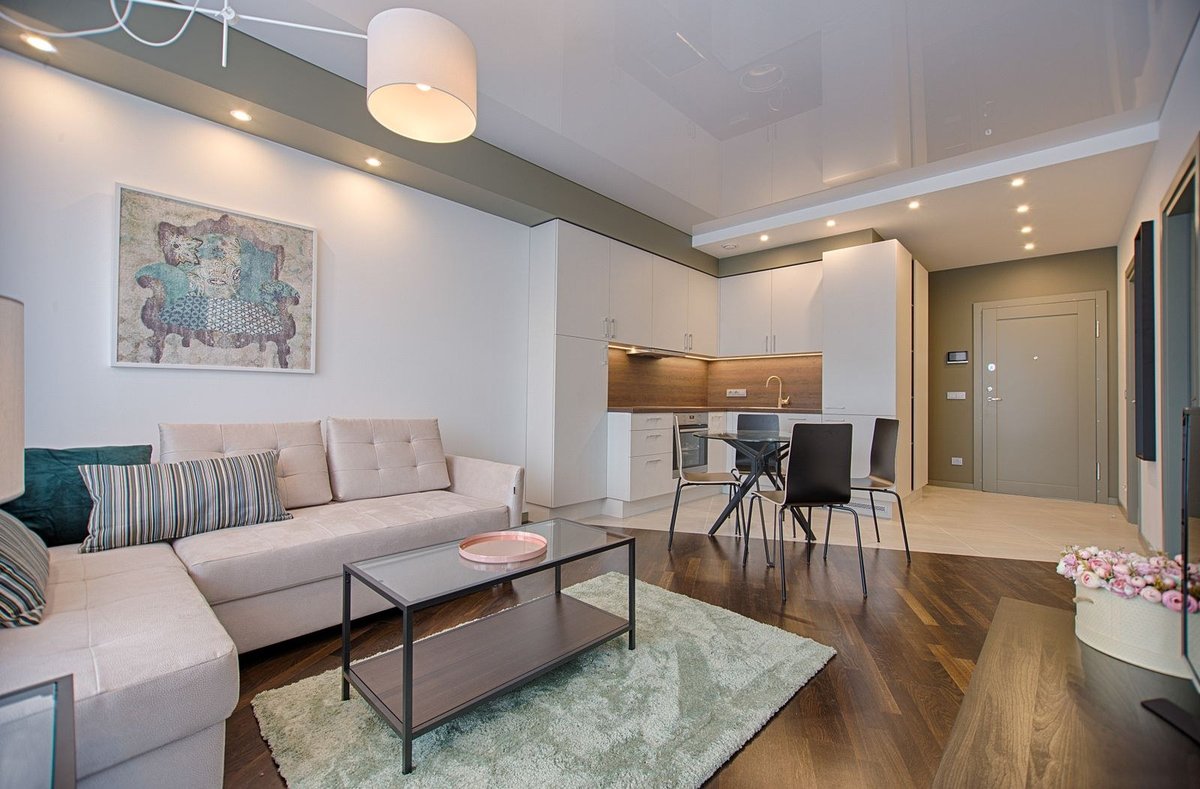
The three most common residential and commercial color temperatures are 2700K, 3000K and 4000K. Together they cover the practical range you will actually use indoors. The table below summarises how they look, where they fit, and what to pair with each.
| Kelvin Rating | Light Quality | Best Spaces | Recommended CRI | Vibe |
|---|---|---|---|---|
| 2700K | Warm amber, soft glow | Bedrooms, living rooms, dining, hospitality | CRI 90+ preserves warmth | Cozy, intimate, relaxing |
| 3000K | Neutral warm white | Kitchens, bathrooms, offices, retail | CRI 90+ for true-to-life colour | Inviting, balanced, refined |
| 4000K | Cool, crisp white | Garages, workshops, commercial, task areas | CRI 85+ for clean, functional light | Bright, alert, energising |
2700K delivers the warmest common indoor light, close to the amber glow of a traditional incandescent bulb. It flatters skin tones, softens shadows and creates an intimate, relaxing atmosphere — which is why it is the default for bedrooms, living rooms, dining areas and hospitality settings. When you want a space to feel calm and welcoming after dark, warm white track lighting at 2700K is a dependable choice.

3000K sits in the middle of the spectrum — still warm, but noticeably brighter and more neutral than 2700K. It is the most versatile color temperature, working well in kitchens, bathrooms, hallways, offices and retail. Many designers consider 3000K the “sweet spot” because it feels warm and residential while keeping colours crisp enough for everyday tasks.

4000K produces a clean, crisp white with a subtle blue tint. It is bright, energising and alert, making it ideal for garages, workshops, gyms, commercial offices and task-heavy areas where visibility matters more than mood. Because 4000K renders detail so clearly, it is also popular in showrooms, clinics and studio-style kitchens.
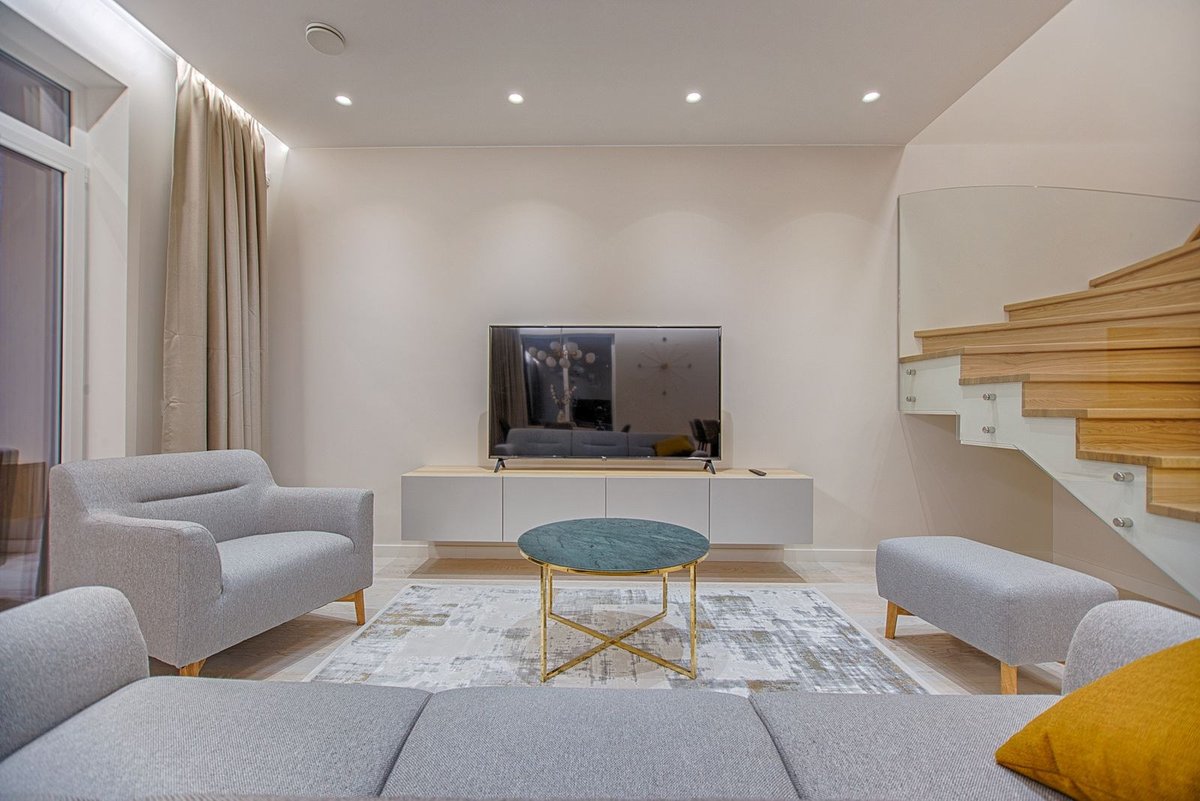
Choosing between warm white and cool white comes down to the mood and function of the room. Ask two questions: What is this space for? and How do I want it to feel?
For relaxation and hospitality, lean warm (2700K–3000K). For concentration, safety and detailed work, lean cool (4000K). For the best flexibility, consider fixtures that offer tunable white — a feature that lets you shift between 2700K and 4000K throughout the day. Magnetic track lighting systems with tunable heads let you dial in the exact Kelvin your space needs, and re-aim it as your layout changes.
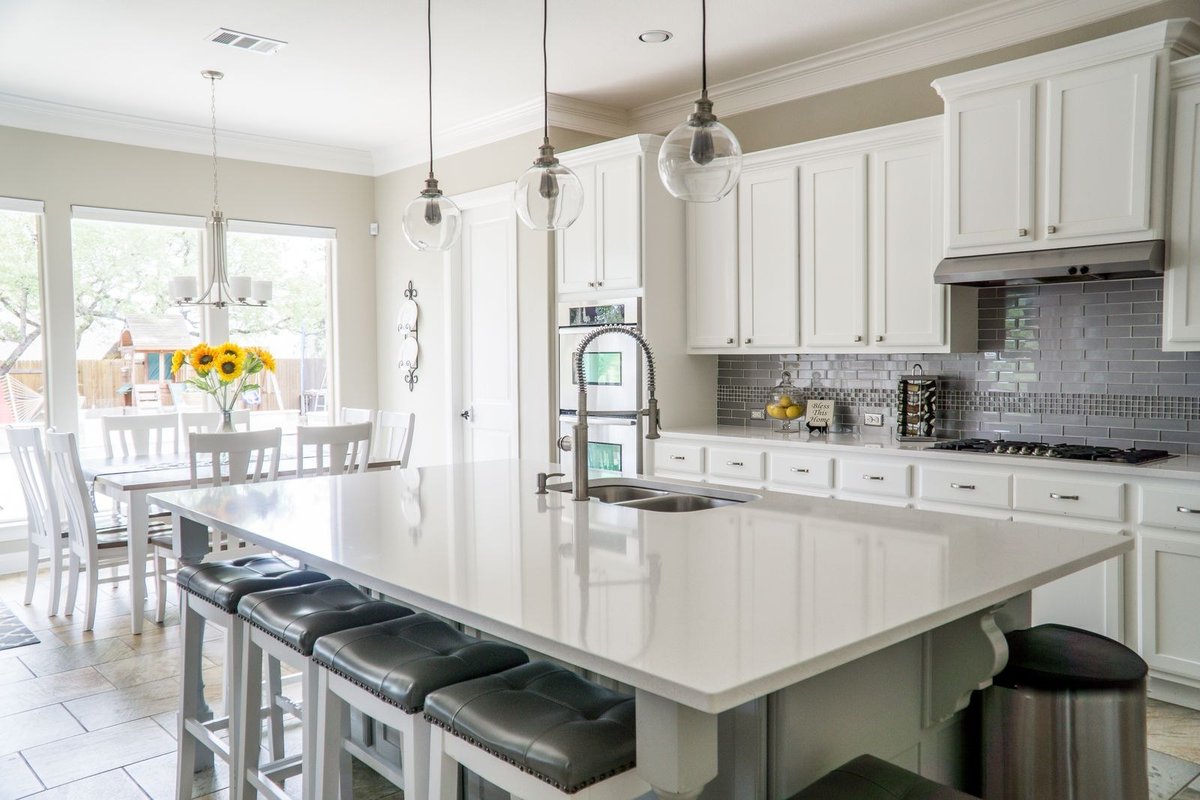
Color temperature controls the tint of light; CRI controls how accurately that light reveals colours. For kitchens, retail and art spaces, pair your chosen Kelvin with high-CRI LED sources (90+) so food, fabrics and finishes look true-to-life instead of dull or washed out.
Color temperature does more than shape how a room looks — it influences how your body responds to light. Warm light (2700K) is low in blue content and signals relaxation, which is why it supports melatonin production in the evening. Cool light (4000K) is rich in blue and signals alertness, helping you stay focused during the day.
This is the principle behind tunable white lighting, also known as variable CCT (correlated colour temperature). A tunable fixture lets you run 4000K in the morning to wake up, shift to 3000K through the afternoon, and settle into 2700K by evening to wind down. Lighting designers increasingly specify tunable systems in homes, offices and hospitality spaces to support natural daily rhythms. The Illuminating Engineering Society (IES) publishes guidance on recommended colour temperature and light levels for each space type.
A common mistake is assuming a higher Kelvin means a brighter bulb. It does not. Kelvin (K) describes the tint of the light; lumens (lm) describes how much light a fixture emits. A 2700K bulb and a 4000K bulb of the same wattage produce the same amount of light — the 4000K only looks brighter because cool white appears crisper and more vivid to our eyes.
When planning a room, choose your color temperature for mood and function, then choose your lumens for brightness. For a bedroom you might select 2700K at a lower lumen level for a gentle glow, while a kitchen work surface might use 3000K at a higher lumen level for clarity. Getting both right is what separates a comfortable space from a harsh or gloomy one.
2700K is warmer and more amber, similar to an old incandescent bulb, while 3000K is a brighter, more neutral warm white. The difference is subtle but noticeable side by side — choose 2700K for a cosier, more intimate feel and 3000K for a slightly crisper, more versatile everyday light.
2700K is generally better for a living room because it creates a warm, relaxing atmosphere that flatters skin tones and feels inviting after dark. 4000K is too cool and clinical for most living spaces, though it can work in a dedicated home office area.
3000K looks like a clean, neutral warm white — noticeably brighter than 2700K but still with a soft, warm tint. It is the most popular choice for kitchens and general living areas because it balances warmth with clarity.
Yes, but do it deliberately. A common approach is to use warm 2700K for ambient and accent light, then add a slightly cooler 3000K–3500K layer for task areas like a kitchen island or reading nook. Avoid mixing widely different Kelvin values on the same surface, where the contrast can look unintentional.
No. A 2700K LED and a 4000K LED of the same wattage use the same amount of energy. Color temperature only changes the tint of the light, not its efficiency. Look for ENERGY STAR-rated LEDs to save power regardless of the Kelvin you choose.
In retail, hospitality and commercial settings, color temperature is a strategic tool as much as a practical one. Restaurants and hotels lean warm (2700K–3000K) to make guests feel welcome and encourage them to linger, while food displays benefit from warm light that makes produce look appetising. Retail fashion and showrooms often use a mix — warm ambient light with a cooler accent to make merchandise pop.
For galleries, museums and product display, pairing the right Kelvin with high-CRI LED heads is essential so colours render accurately. In offices and clinics, 4000K keeps occupants alert and supports detailed work, though many modern workplaces offer tunable white so staff can adjust throughout the day. Because every commercial project has different goals, specifying a tunable system from the start is often the most future-proof choice.
Mastering the color temperature spectrum — from warm 2700K to crisp 4000K — is the fastest way to improve any lighting scheme. Choose 2700K for relaxed living spaces, 3000K for versatile everyday rooms, and 4000K for bright functional areas. For the greatest flexibility, spec tunable magnetic track lighting that lets you shift the Kelvin as your needs change, and pair it with high-CRI sources for true-to-life colour. Need help selecting the right color temperature for your project? Contact our lighting team for a free quote.