Address
304 North Cardinal
St. Dorchester Center, MA 02124
Work Hours
Monday to Friday: 7AM - 7PM
Weekend: 10AM - 5PM
Address
304 North Cardinal
St. Dorchester Center, MA 02124
Work Hours
Monday to Friday: 7AM - 7PM
Weekend: 10AM - 5PM
Room-by-room lux guide for Nordic homes: living rooms need 150-300 lux, kitchens 300-500, bedrooms 50-150. Learn how many lux you need per room with LED track lighting.
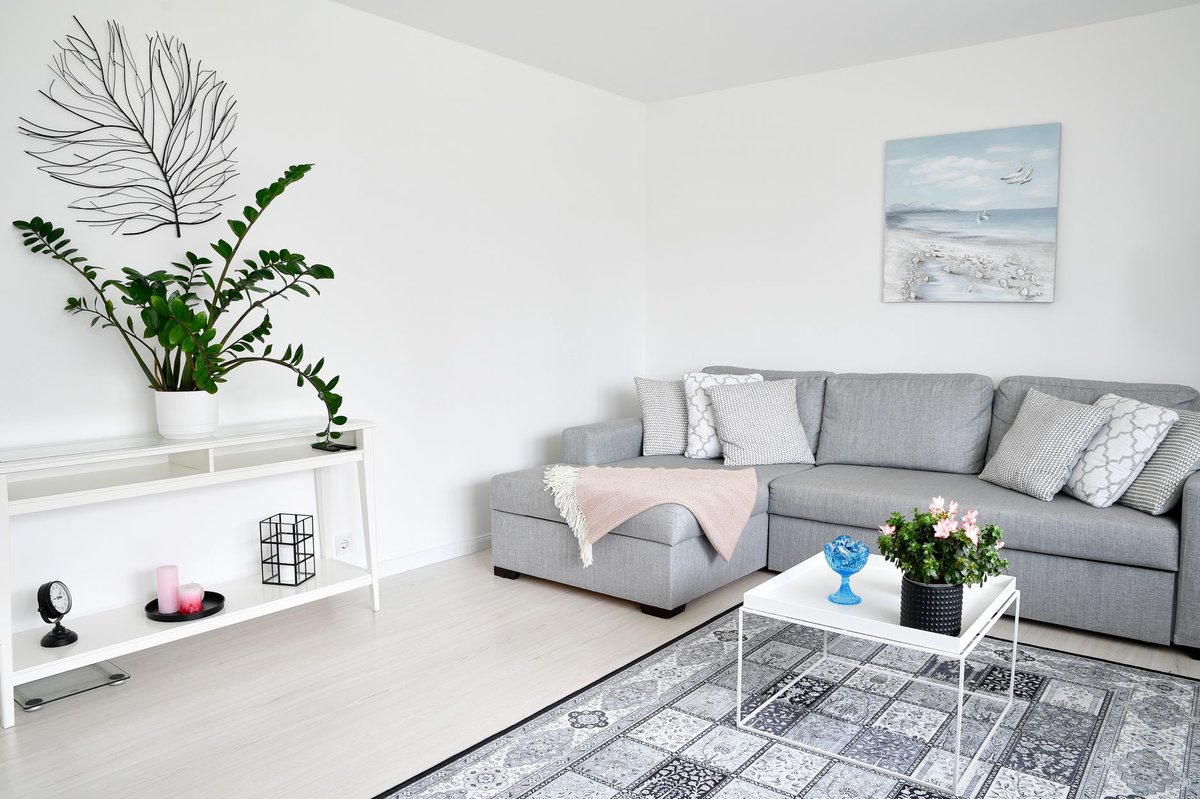
Lux measures how much light actually reaches a surface — the difference between a room that feels dim and one that feels alive. In a Nordic home of pale woods and white walls, getting your lux levels right creates warmth and function in every space. This room-by-room lux guide walks through how many lux each room needs and how to achieve it with modern LED track lighting.
Lux is the SI unit of illuminance — how much luminous flux falls on one square metre of surface. One lux equals one lumen per square metre. While lumens measure a bulb’s total light output, lux measures how much of that light actually reaches you. A 2000-lumen bulb through a frosted shade might deliver only 200 lux to your reading chair — the rest is scattered or absorbed.
For a cosy Nordic home, understanding lux matters more than you might think. The Illuminating Engineering Society (IES) publishes recommended lux levels for every room — and they’re surprisingly practical once you know what they look like.
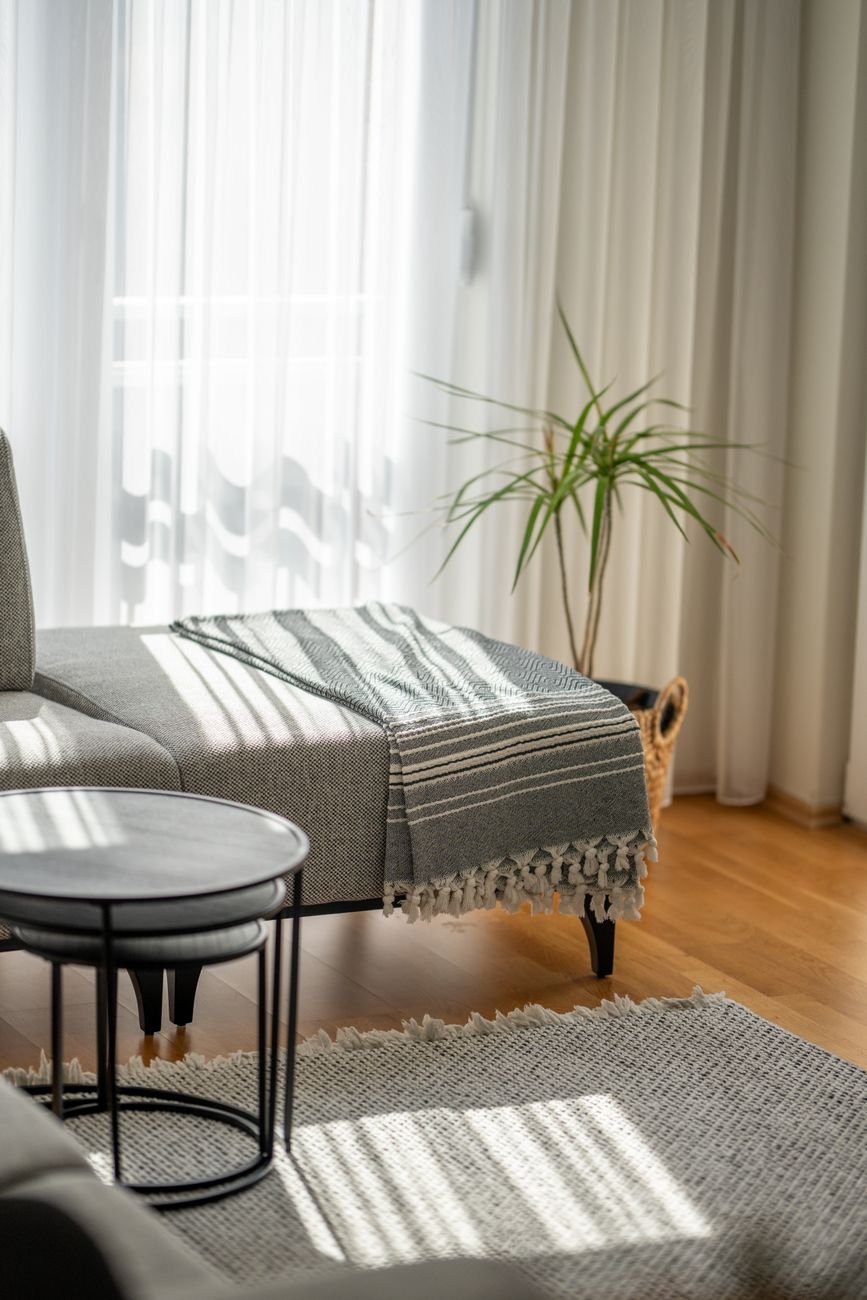
Three terms get thrown around in lighting specs, and they mean different things:
The chart below summarises what the IES and lighting design practice recommend for each room of a home. In a Nordic context, these numbers work beautifully — pale surfaces reflect light efficiently, meaning you often need less artificial light than you’d think.
| Room | Ambient Lux | Task Lux | Colour Temperature | Nordic Home Tip |
|---|---|---|---|---|
| Living Room | 150–300 | 300–500 | 2700–3000K | Layer 60° flood beams for ambient warmth, add 24° spots for reading |
| Kitchen | 200–300 | 300–500 | 3000–4000K | Point 24° heads at prep zones and sinks for crisp task light |
| Dining Room | 200–300 | 300 | 2700–3000K | Aim 36° flood heads at the table surface, not at faces |
| Bedroom | 50–150 | 300–500 | 2700K | Dimmable 36° heads for ambient; 15° spots for bedside reading |
| Bathroom | 200 | 500 | 3000–4000K | Mirror lighting needs the highest lux — 500+ at face height |
| Home Office | 300 | 500 | 4000K | Position 24° beams to illuminate the desk, avoid screen glare |
| Hallway | 50–100 | 150 | 3000K | Wide 60° beams prevent dark corners and make entryways inviting |
Your living room is where hygge happens — candlelit evenings, family conversations, reading corners. The IES recommends 150–300 lux of ambient light, and most Nordic interiors feel most welcoming at the lower end. Layer wide 60° beams on a dimmer for a soft 150 lux base, then add 15° or 24° heads on art or reading spots to push those zones to 300–500 lux.
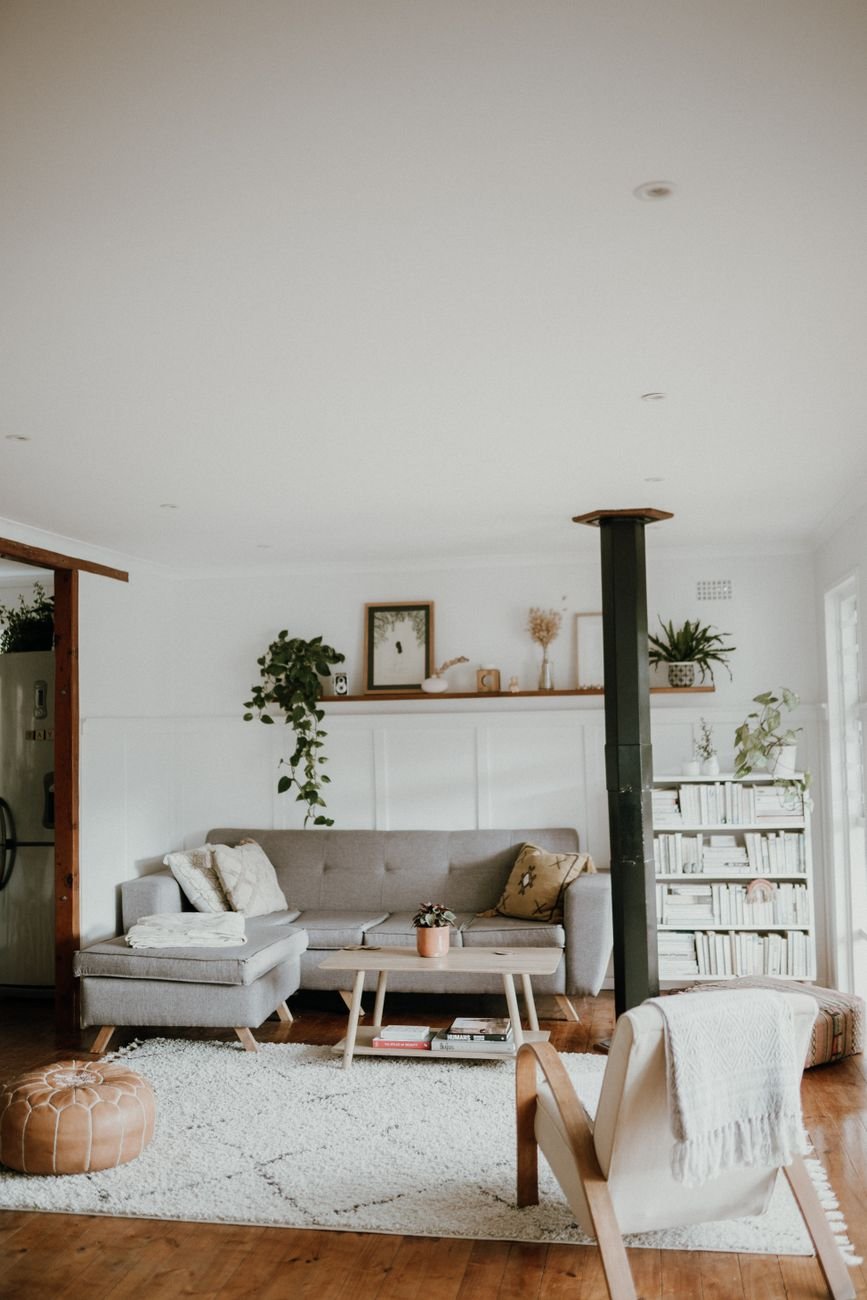
Kitchens need the most versatile lighting in any home — 200–300 lux ambient to move safely, but prep areas need 300–500 lux for precise chopping and spotting spills. In a Scandinavian kitchen of light wood and white countertops, adjustable LED track lighting is ideal. Mount 24° heads above prep zones and aim directly at the work surface.
Dining rooms require a balance between seeing food clearly and keeping conversation intimate. The sweet spot is 200–300 lux at table surface height. If you’ve ever eaten at a restaurant that felt too bright or too dim, you’ve experienced what getting this wrong feels like.
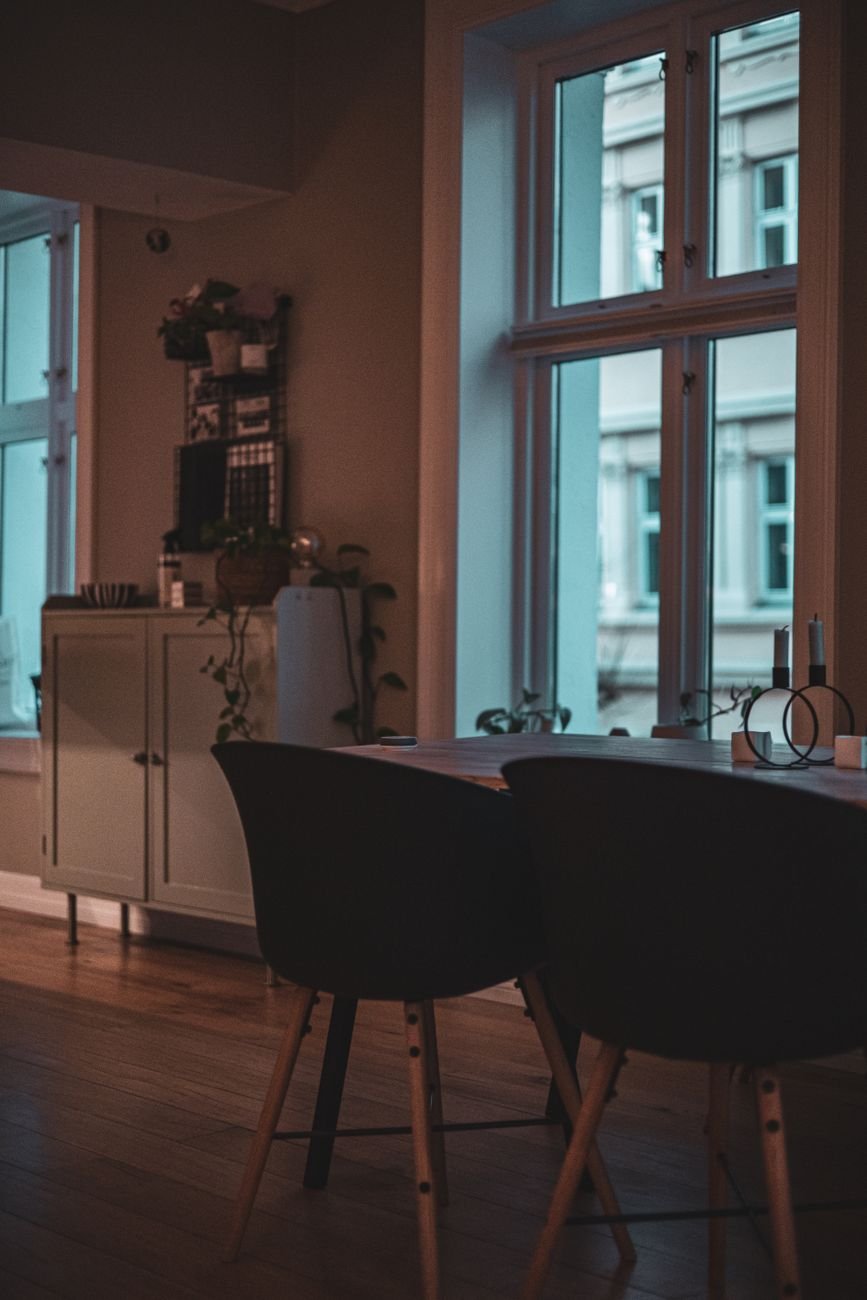
Track lights positioned above the table at 30–45° angle work well — aim zoomable track heads to create a pool of light over the table, keeping walls slightly darker to frame the space. If you have a dining area integrated into an open-plan living space, use 36° beams on a separate dimmer so you can lower the lux during dinners without affecting the rest of the room.
Bedrooms need the lowest light levels of any room in the house. The IES recommends just 50–150 lux for ambient lighting — enough to see clearly but not enough to disrupt melatonin production in the evening.
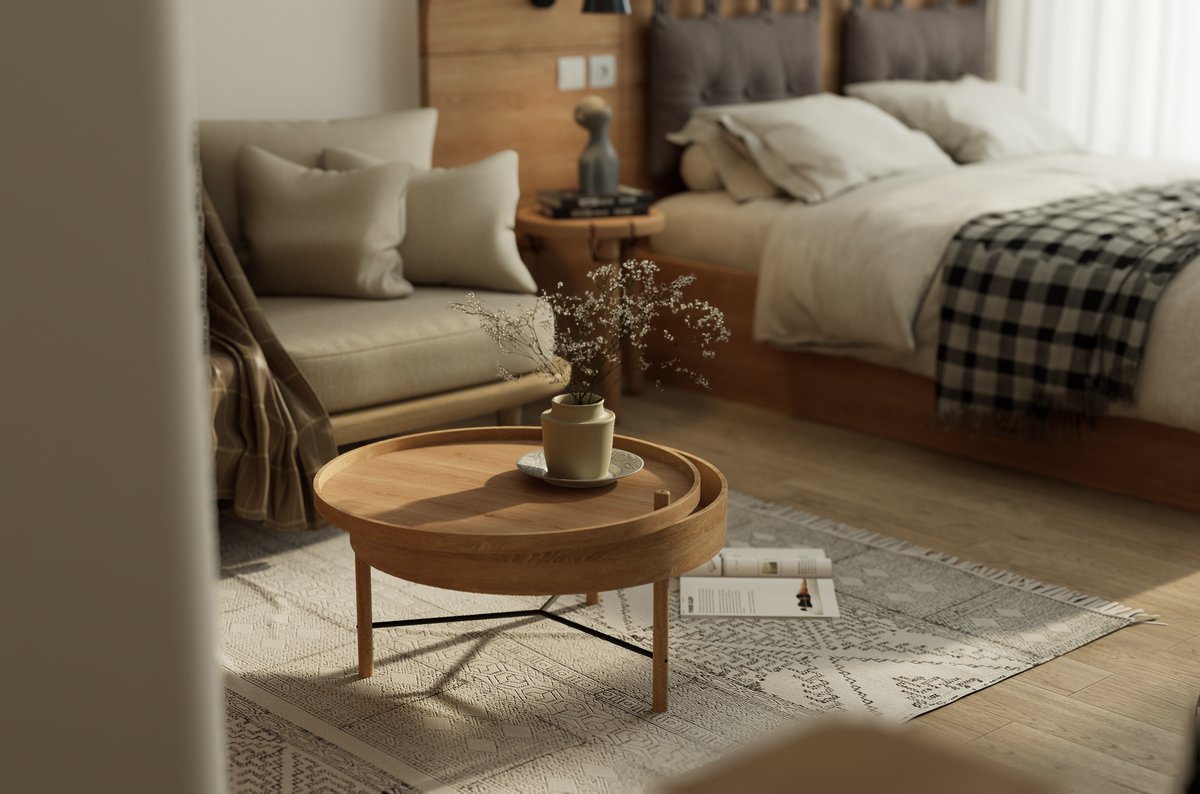
In a Nordic bedroom with white linens and pale wood, you can achieve a beautiful 100 lux with just a few well-placed light sources. Use 36° beams at low dimmer settings for ambient warmth, and add a narrow 15° spot or dedicated reading light above the nightstand when you need 300+ lux for bedtime reading.
Bathrooms are where precise light levels matter most. The ENERGY STAR and IES guidelines suggest 200 lux general illumination, but the mirror — where you shave, apply makeup and do your skincare routine — needs at least 500 lux.
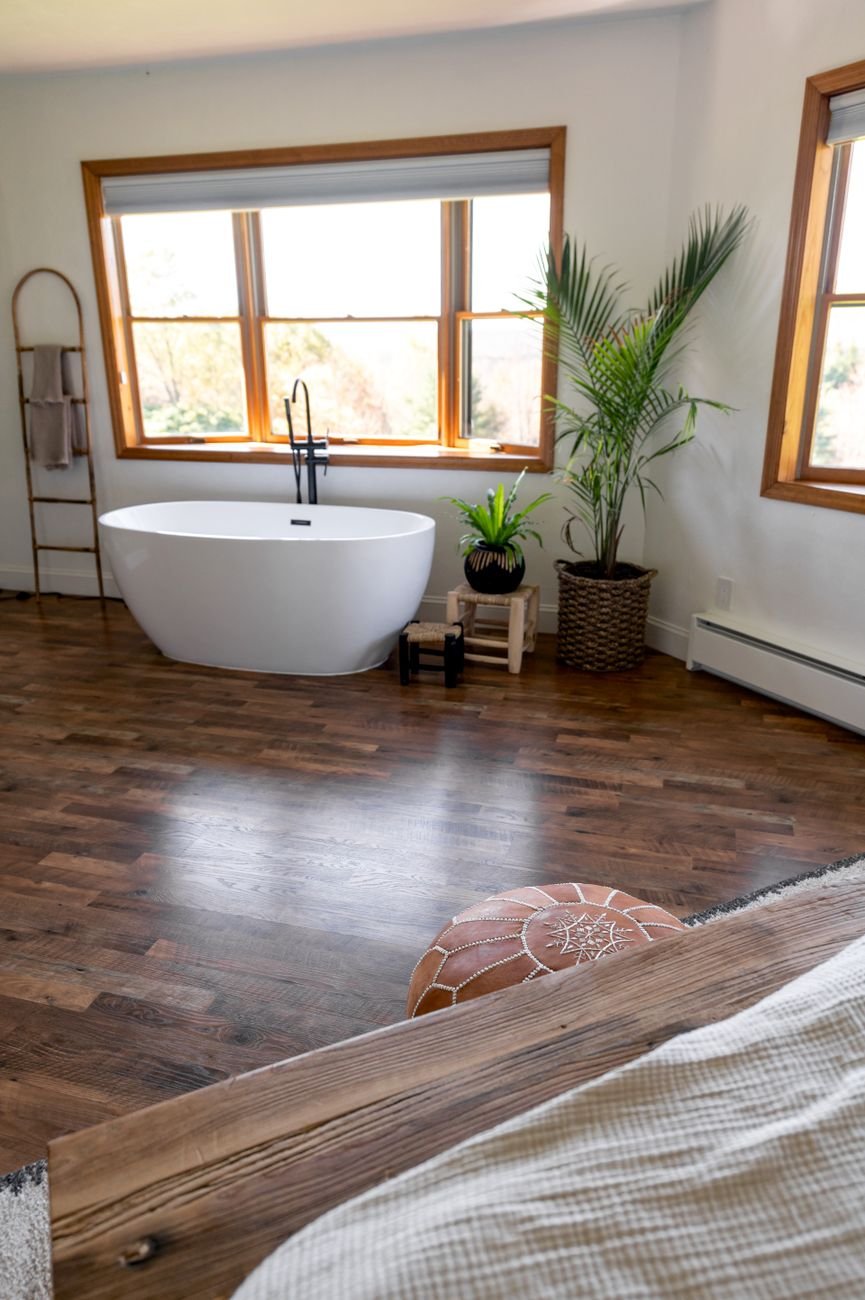
For a bathroom with limited ceiling space, compact wall washers or small track fixtures mounted at either side of the mirror can deliver the concentrated light you need without the harsh shadows of a single overhead bulb.
For focused work — reading, writing, sewing, studying — you need the highest lux levels in the home. 500 lux at the task surface is the IES gold standard for office work. This is non-negotiable if you want to avoid eye strain during long Nordic winter evenings.
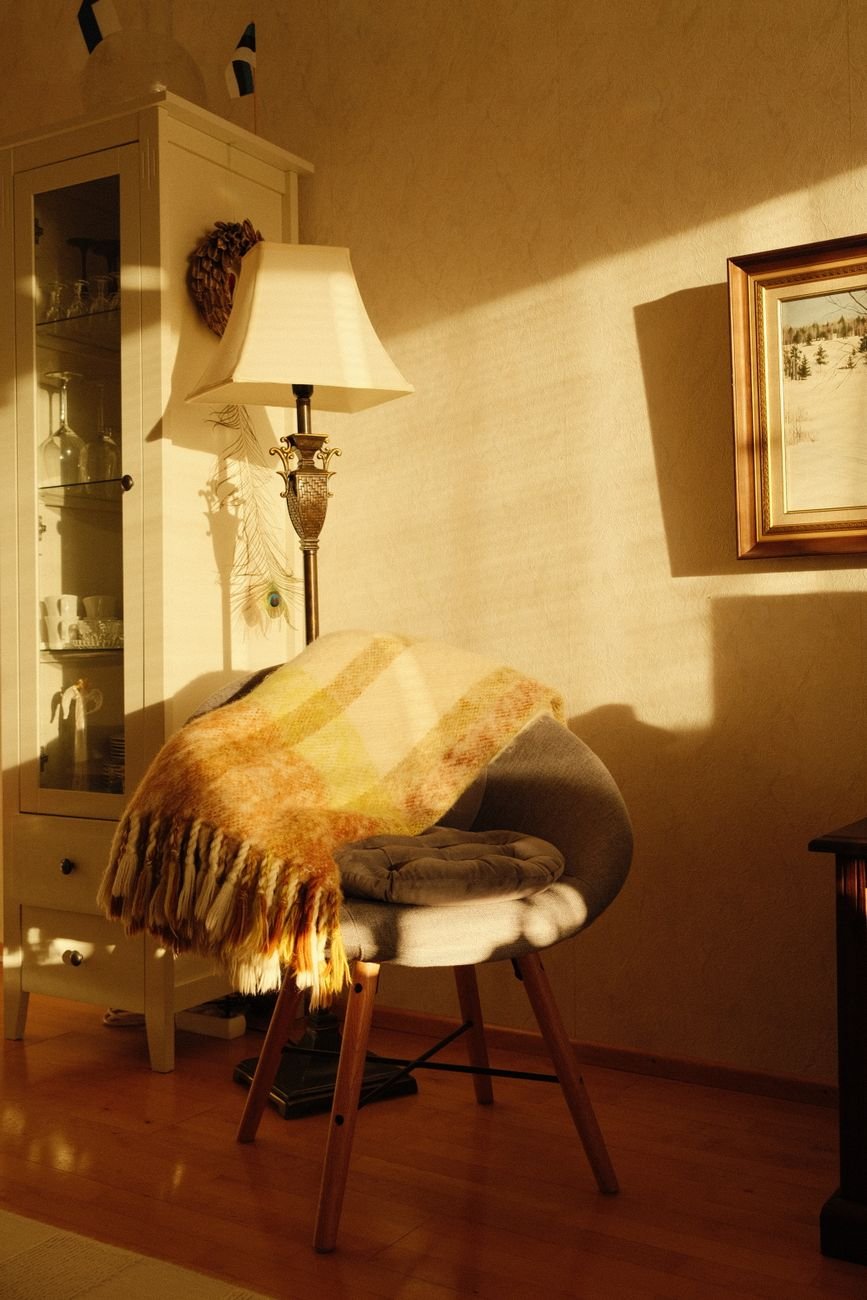
A single well-positioned LED track head aimed at your desk or reading chair delivers far more useful light than several scattered lamps. Use 24° beams for a focused pool, or 15° narrow spots for precision tasks like detailed craft work. Combined with a 4000K colour temperature for alertness, 500 lux at your desk keeps you productive and focused.
Hallways serve a simple purpose: get you from one room to another safely. 50–100 lux is plenty — enough to navigate, check your reflection, and feel welcomed home without wasting energy on unnecessary brightness.
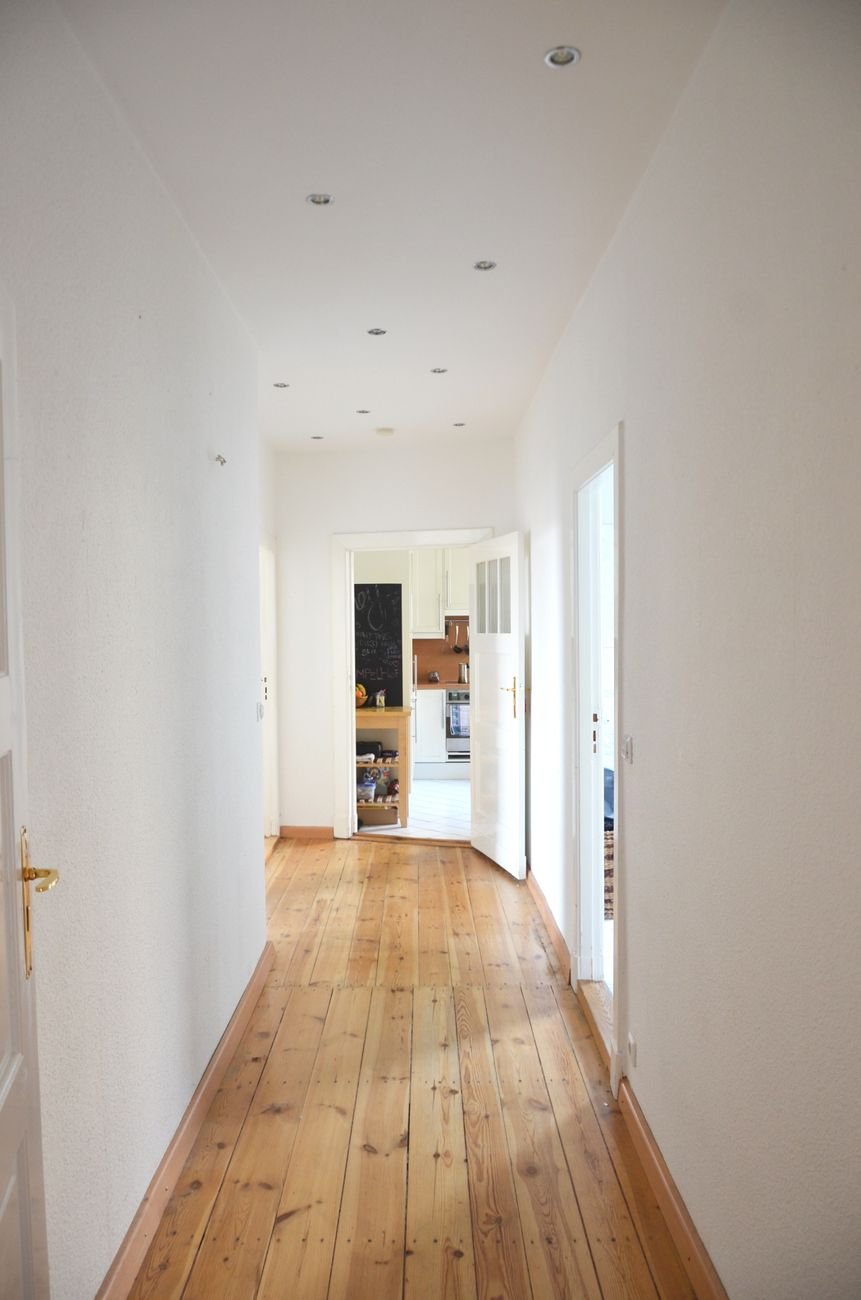
Use slim magnetic track systems with wide 60° beams for hallways — they distribute light evenly across the whole corridor and eliminate the dark spots that create visual trips. If your hallway is extra narrow, even 36° heads on a dimmer set to 50% will provide the right lux.
Most rooms in a Nordic home benefit from one architectural solution: adjustable LED track lighting. One installation can deliver different lux to different zones by changing both direction and spread of light.
Lux measures how much light; colour temperature tells you how light feels. A 500 lux space at 4000K feels bright and clinical; the same 500 lux at 2700K feels warm and intimate. For ambient lighting in living spaces, aim for 2700–3000K at 150–300 lux. For task zones like kitchen prep or a home office, 4000K at 400–500 lux helps alertness. See our colour temperature guide to get both right.
You don’t need to guess whether your living room hits 200 lux. A simple lux meter — available for under $30 on Amazon or as a smartphone app — can tell you instantly. For a quick check:
You’ll be surprised how often a “bright” room delivers only 80 lux at the surface where it matters.
Lumens measure the total light output from a fixture — think of it as the bulb’s full capability. Lux measures how much of that light actually reaches a specific surface. A 3000-lumen track head might deliver 500 lux to your kitchen counter if aimed correctly, or only 100 lux if the light is scattered across the whole room.
Between 150 and 300 lux for general ambient lighting. For reading or detailed activities, push to 300-500 lux in the specific task area using a focused spot light or reading lamp.
Yes — 100 lux is ideal for most bedrooms. This level is bright enough to see clearly and dress comfortably, while low enough to promote relaxation before sleep. For bedtime reading, add a dedicated task light that delivers 300+ lux just on the pages.
At least 300 lux ambient with 500 lux at the desk surface. Position light to avoid screen glare — light should come from the side or from overhead track heads aimed at the desk, not directly behind your monitor.
Yes, colour temperature changes how bright light feels. Warm 2700K light at 300 lux feels cosier and less intense than cool 4000K at the same lux level. For high-lux task work, slightly cooler light (3500-4000K) helps maintain alertness without feeling harsh.
Lux is the language of comfortable home lighting. Every room has an ideal range — living rooms want 150–300, kitchens 300–500 at task surfaces, bedrooms just 50–150 for restful sleep. The beauty of modern LED lighting is that you don’t have to choose one setting for an entire home.
With adjustable track lights, you can aim each head exactly where you need light, pair different beam angles on a single track, and use dimmers to tune from bright task work to cosy hygge evenings. In a Nordic home — or any home that values warmth and function — hitting the right lux in each room is the single most effective upgrade you can make.
Need help planning the lighting for your space? Contact our lighting team for a free consultation — we’ll help you dial in the perfect lux for every room.