Address
304 North Cardinal
St. Dorchester Center, MA 02124
Work Hours
Monday to Friday: 7AM - 7PM
Weekend: 10AM - 5PM
Address
304 North Cardinal
St. Dorchester Center, MA 02124
Work Hours
Monday to Friday: 7AM - 7PM
Weekend: 10AM - 5PM
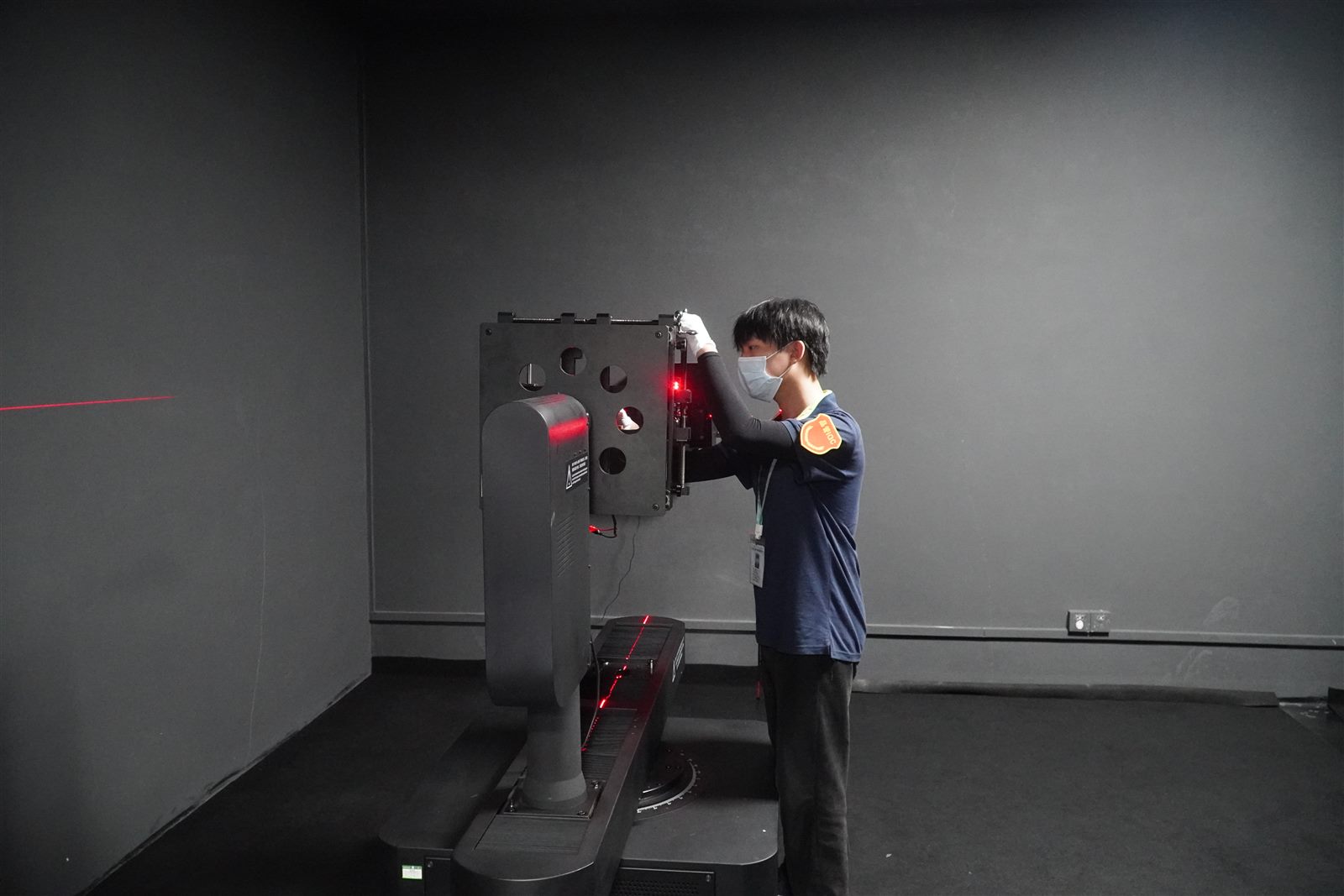
If you are sourcing track lighting for a retail chain, a museum, a hotel group, or a distribution business, the manufacturer you choose matters more than the fixture you see in a catalog. Two track lights can look identical in photos and behave completely differently after 2,000 hours on the ceiling — in color consistency, glare control, driver reliability, and failure rate. Independent performance benchmarks from the Illuminating Engineering Society (IES) and ENERGY STAR help separate quality fixtures from lookalikes.
This guide gives you a practical, factory-floor checklist for choosing a track lighting manufacturer. It is based on what actually separates an engineering-driven lighting factory from a trading company with a nice website: optical design capability, photometric testing equipment, burn-in procedures, and verifiable project experience.
The single most common sourcing mistake in lighting is buying “factory direct” from a company that owns no production line. A trading company is not automatically bad, but it adds margin, slows down engineering feedback, and cannot control quality at the process level.
Quick ways to verify:
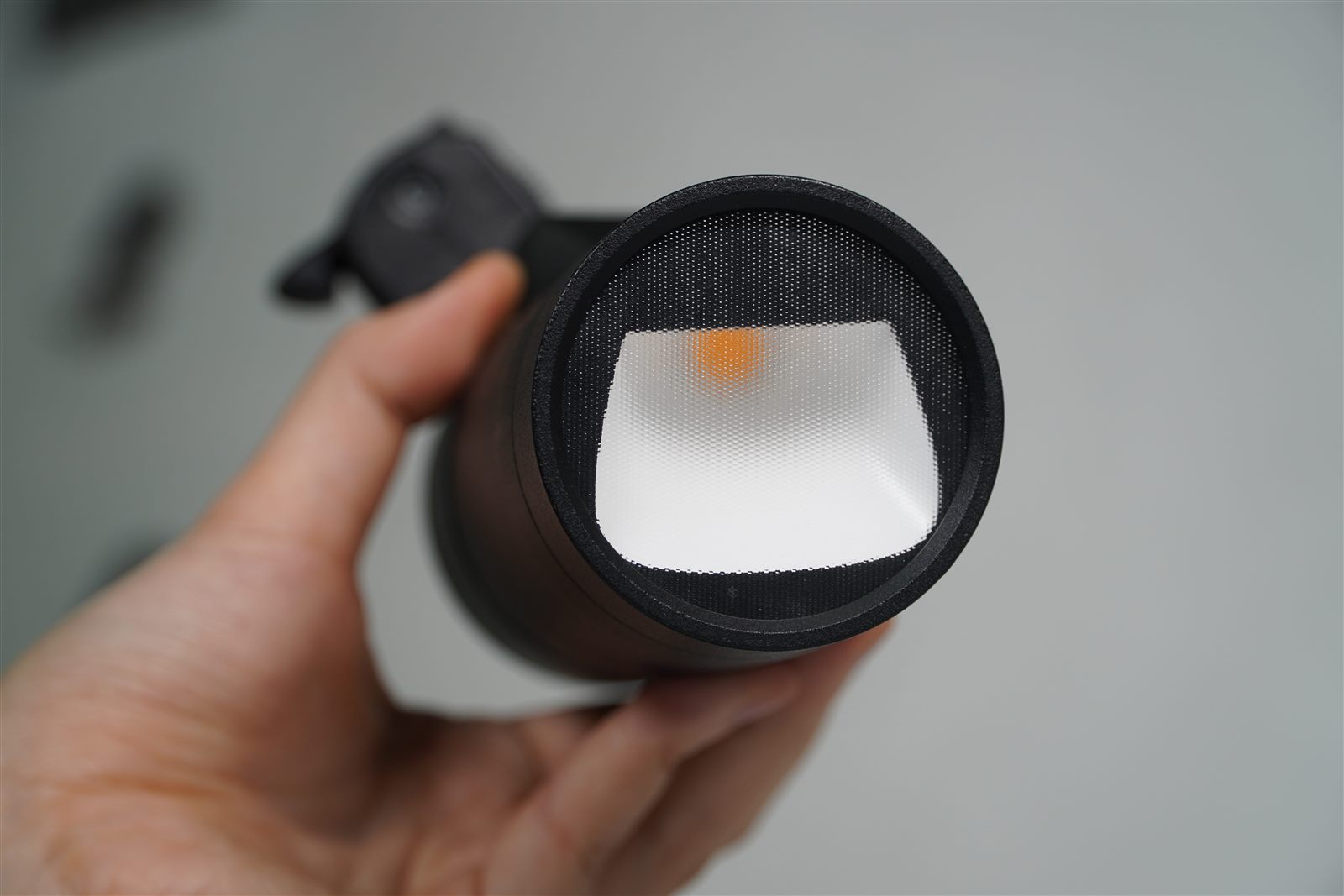
Track lighting is an optics product before it is an electrical product. Retail and museum applications live or die on beam quality: clean edges, no color fringing, controlled glare, and consistent beam angles across a batch.
When you evaluate a track lighting manufacturer, look for:
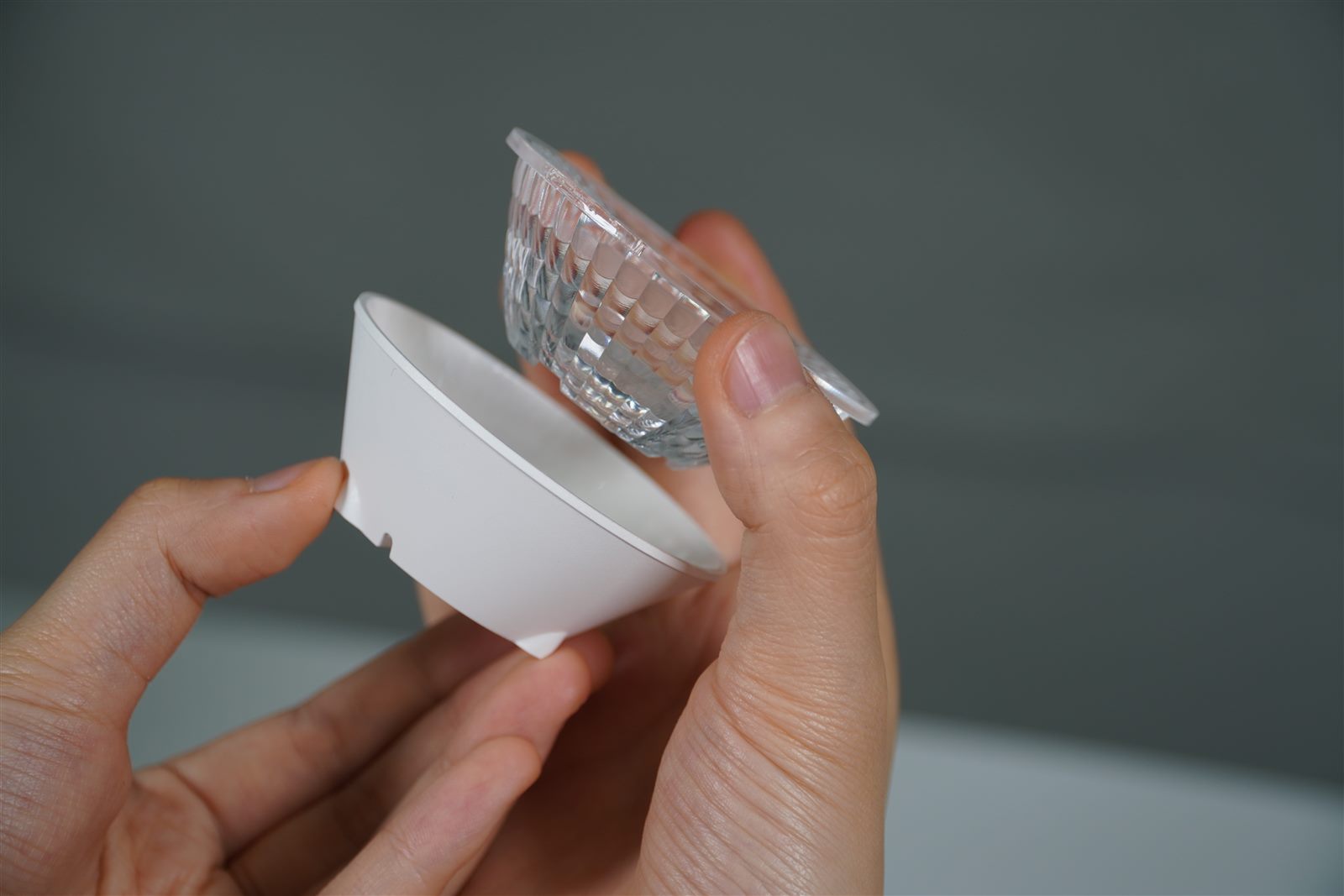
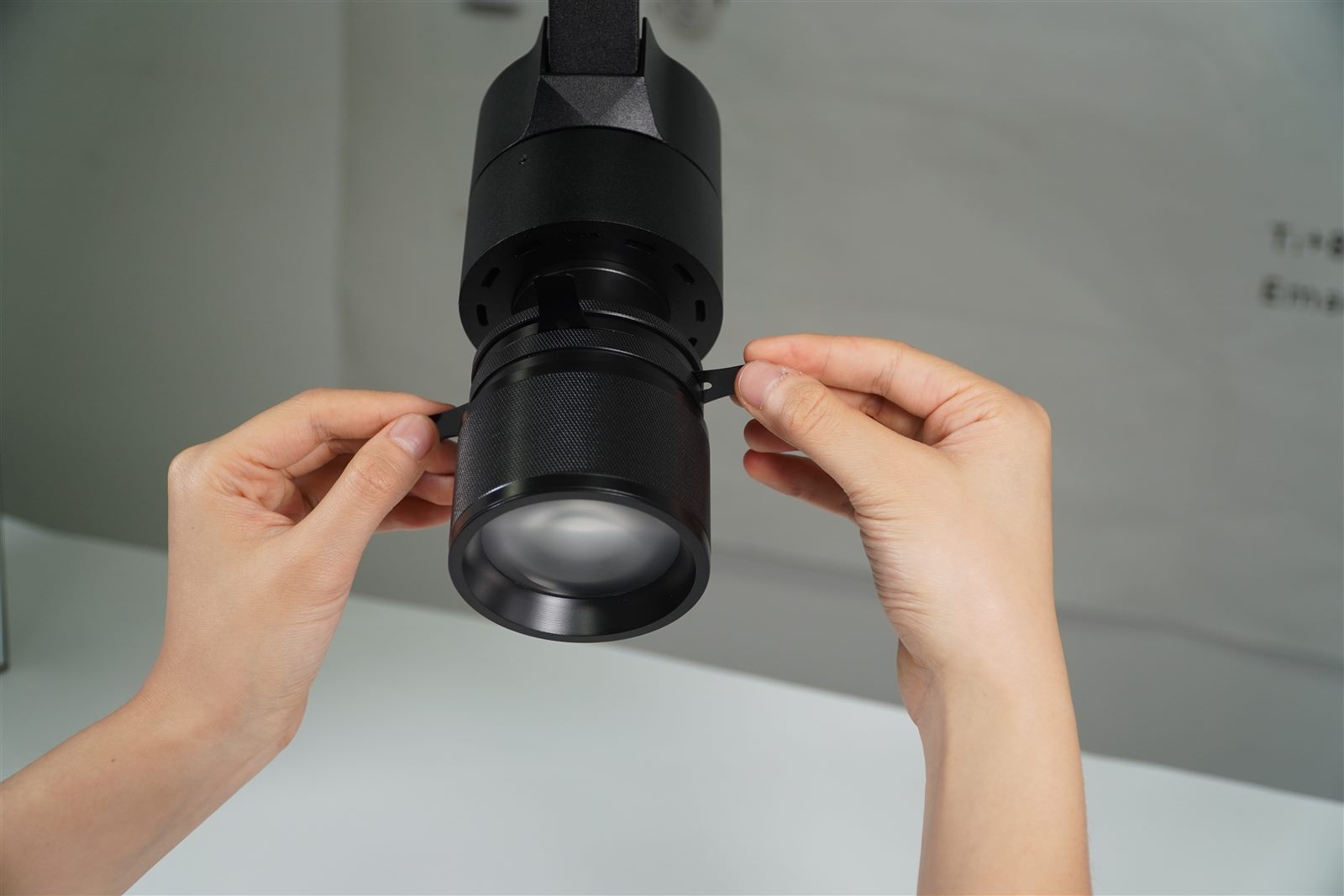
For reference, this is why professional fixtures like the CADIO track light and AIMER track light ship with multiple beam options and anti-glare accessories as a system, not as add-ons.
Anyone can print “CRI>90, 40,000h lifetime” on a datasheet. Only a manufacturer with an in-house photometric lab can prove it batch after batch. Two instruments tell you almost everything about a factory’s engineering seriousness:
This rotating-mirror instrument measures the full spatial light distribution of a fixture and generates the IES/LDT files that lighting designers need for DIALux and AGi32 simulations. If a manufacturer cannot generate its own IES files, your specifiers will be working from guesses.
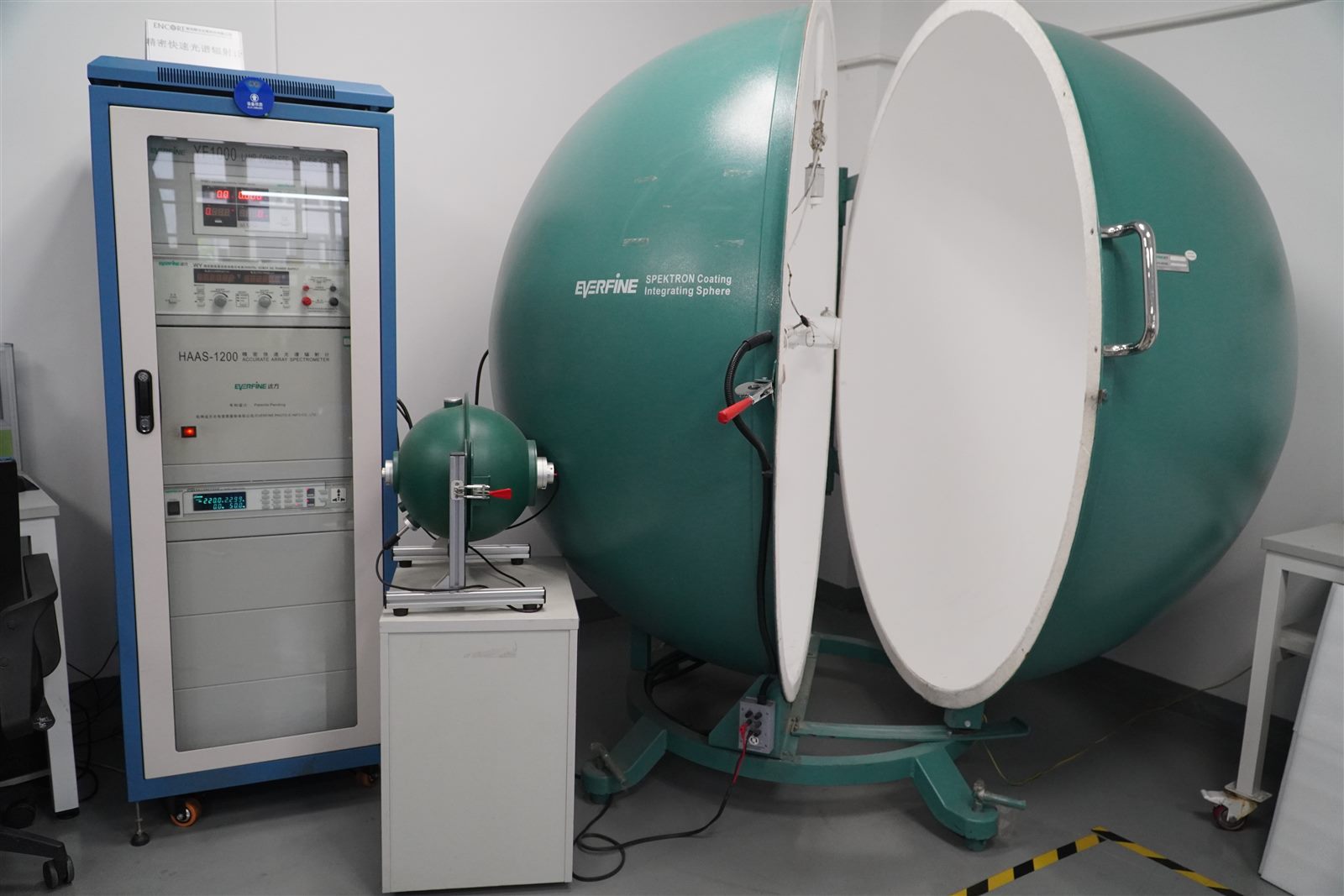
The sphere measures luminous flux, efficacy (lm/W), color temperature, CRI/TM-30 values, and — critically for track lighting — color consistency (SDCM/MacAdam ellipses). In a retail store with twenty track heads on one rail, a 5-step color spread is instantly visible on a white wall. Ask the factory what SDCM tolerance they bin to (3-step should be the answer for premium retail work).
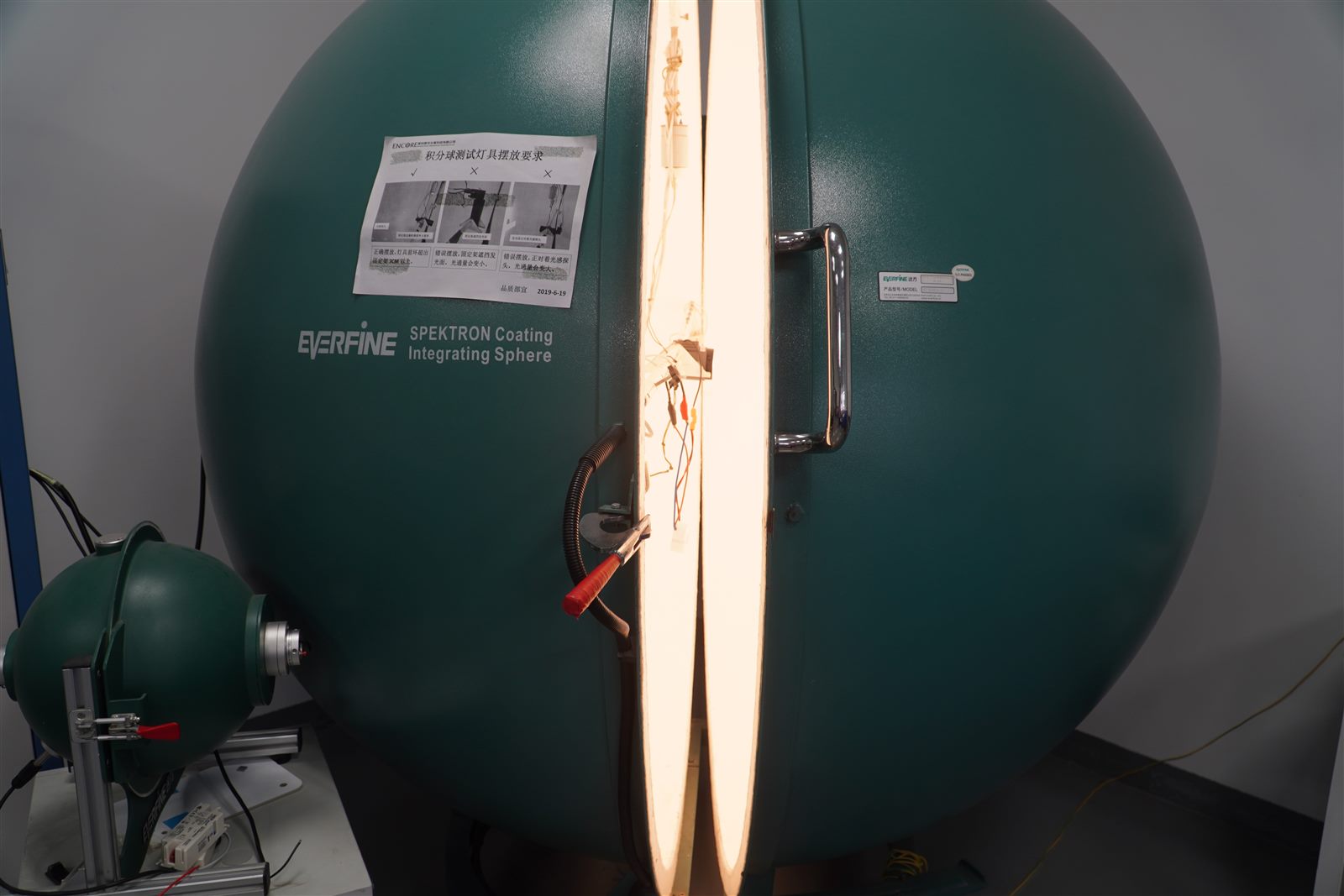
Questions to ask:
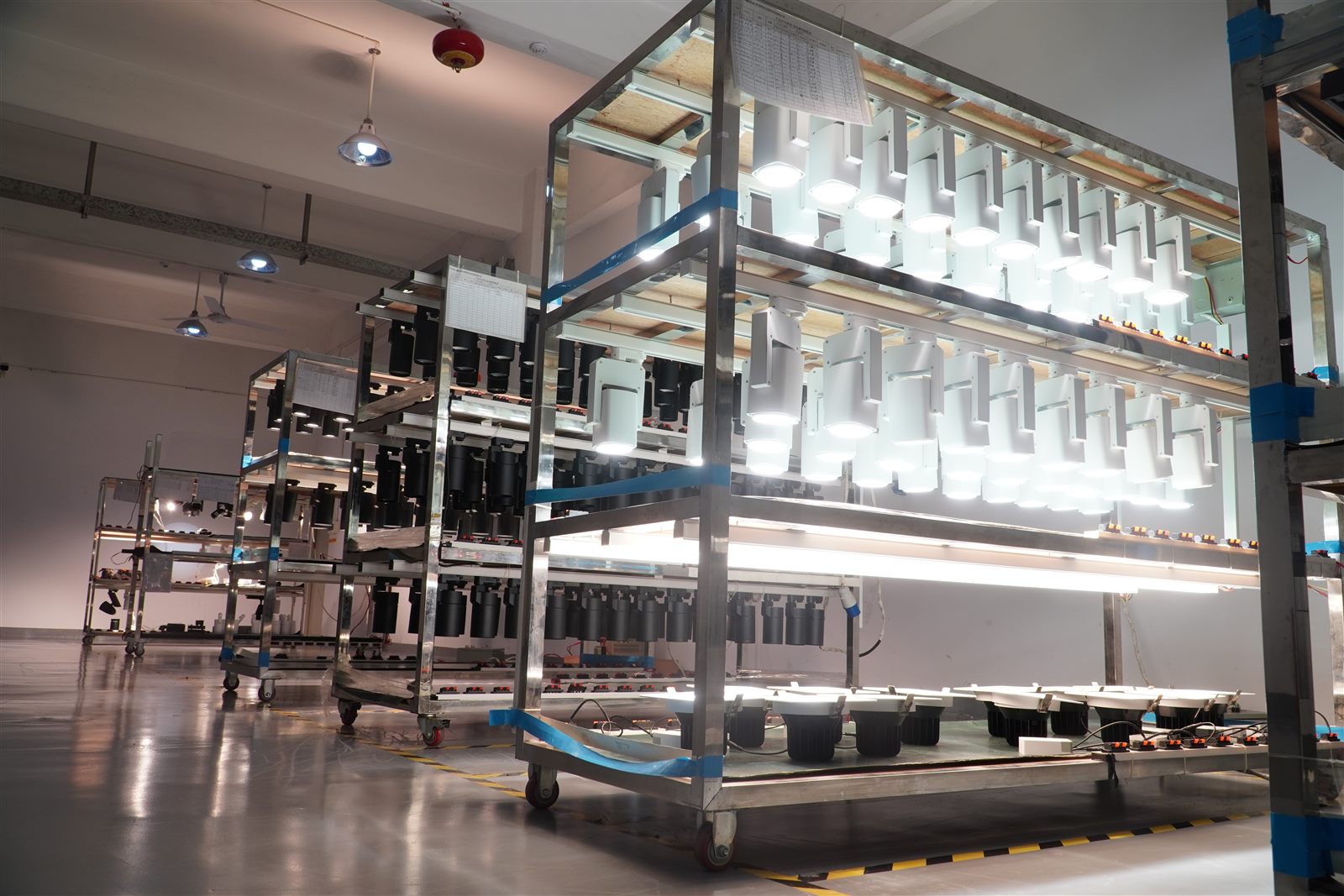
LED fixtures follow a “bathtub curve” of failure: most defects show up in the first hours of operation. A disciplined manufacturer runs every fixture through a powered burn-in (aging) test — typically 4 to 24 hours depending on product class — before packing. This single process step is the difference between a 0.5% and a 5% field failure rate.
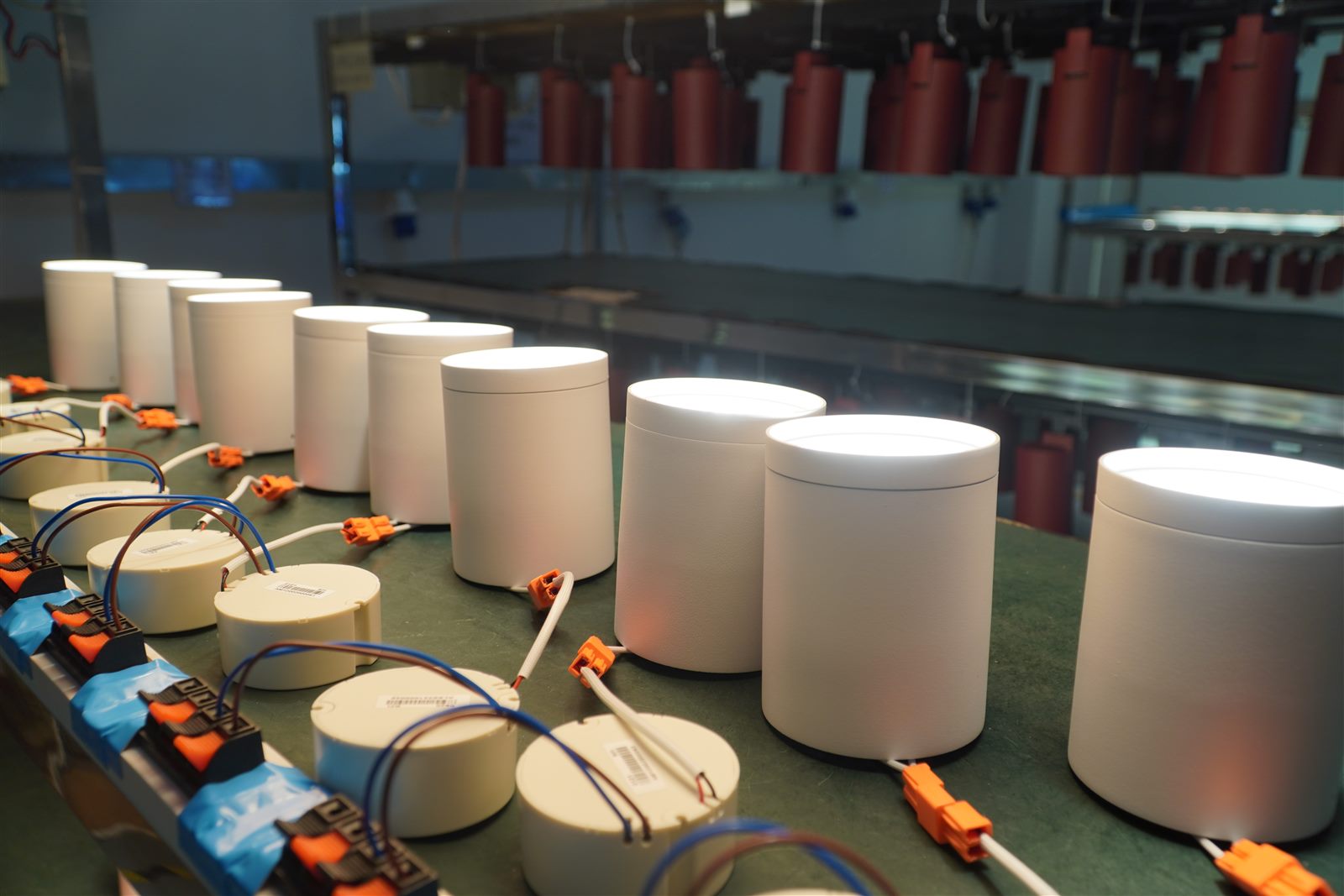
Pay special attention to drivers. In commercial track lighting, the driver fails long before the COB does. Ask:
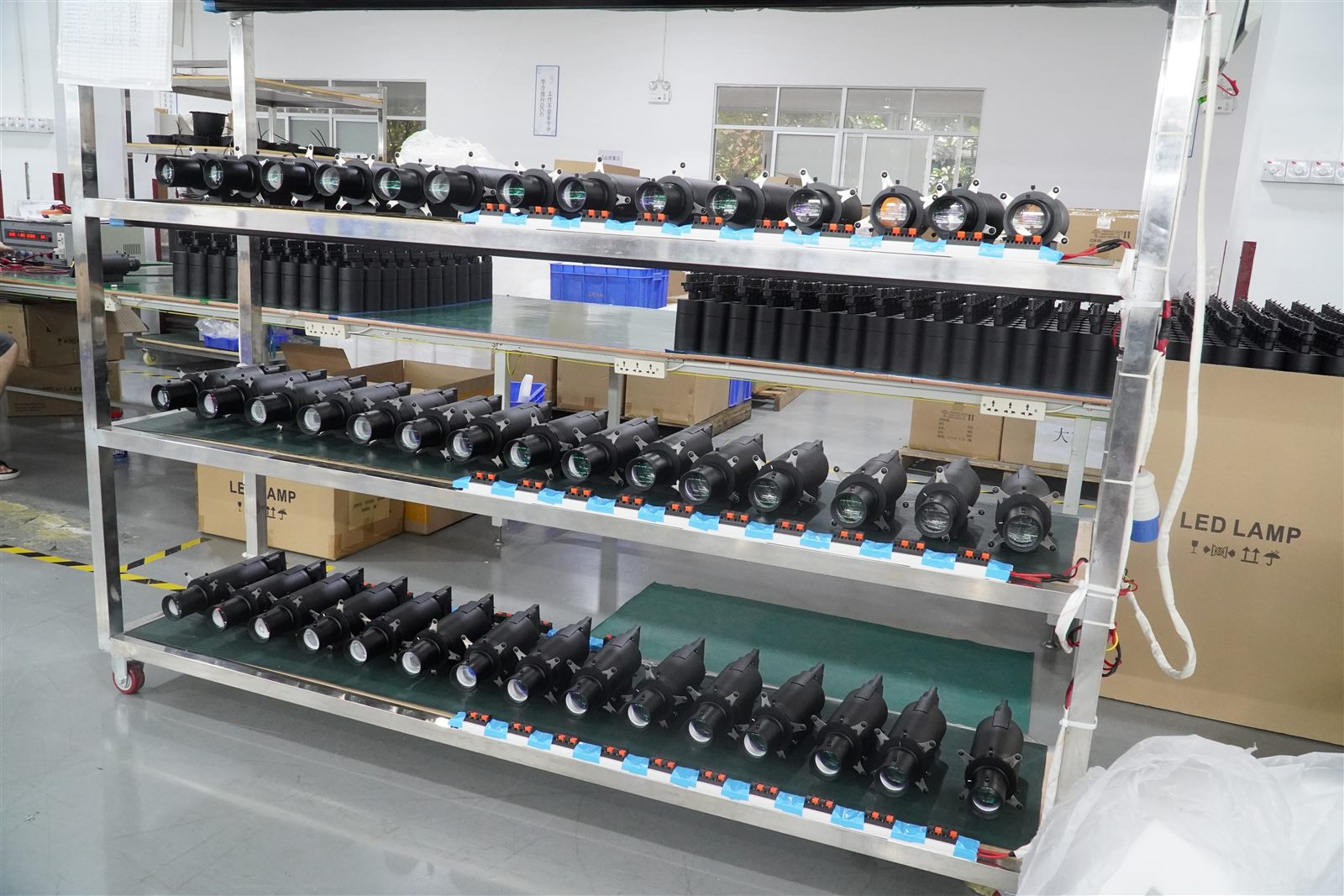
You can read a factory’s culture from its floor. Orderly staging racks, labeled test status, marked walkways, and consistent packing lines all correlate strongly with consistent product. Chaos on the floor becomes chaos in your shipment.
During a factory audit (in person or on video), check:
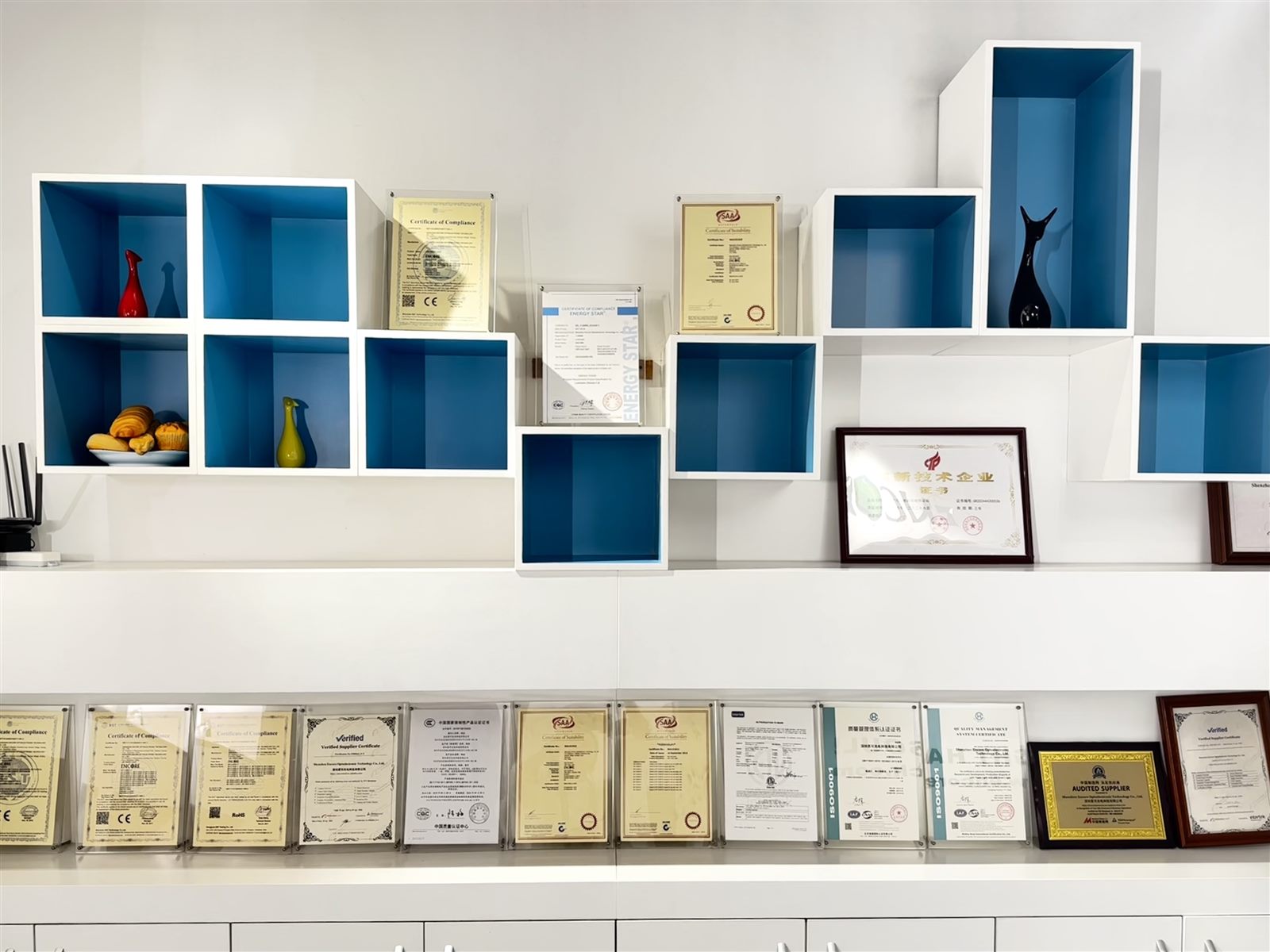
Depending on your market you will need CE (with real EMC + LVD test reports), UKCA, RoHS, and for North America UL/ETL listings; DLC matters for commercial rebate programs. Two practical rules:
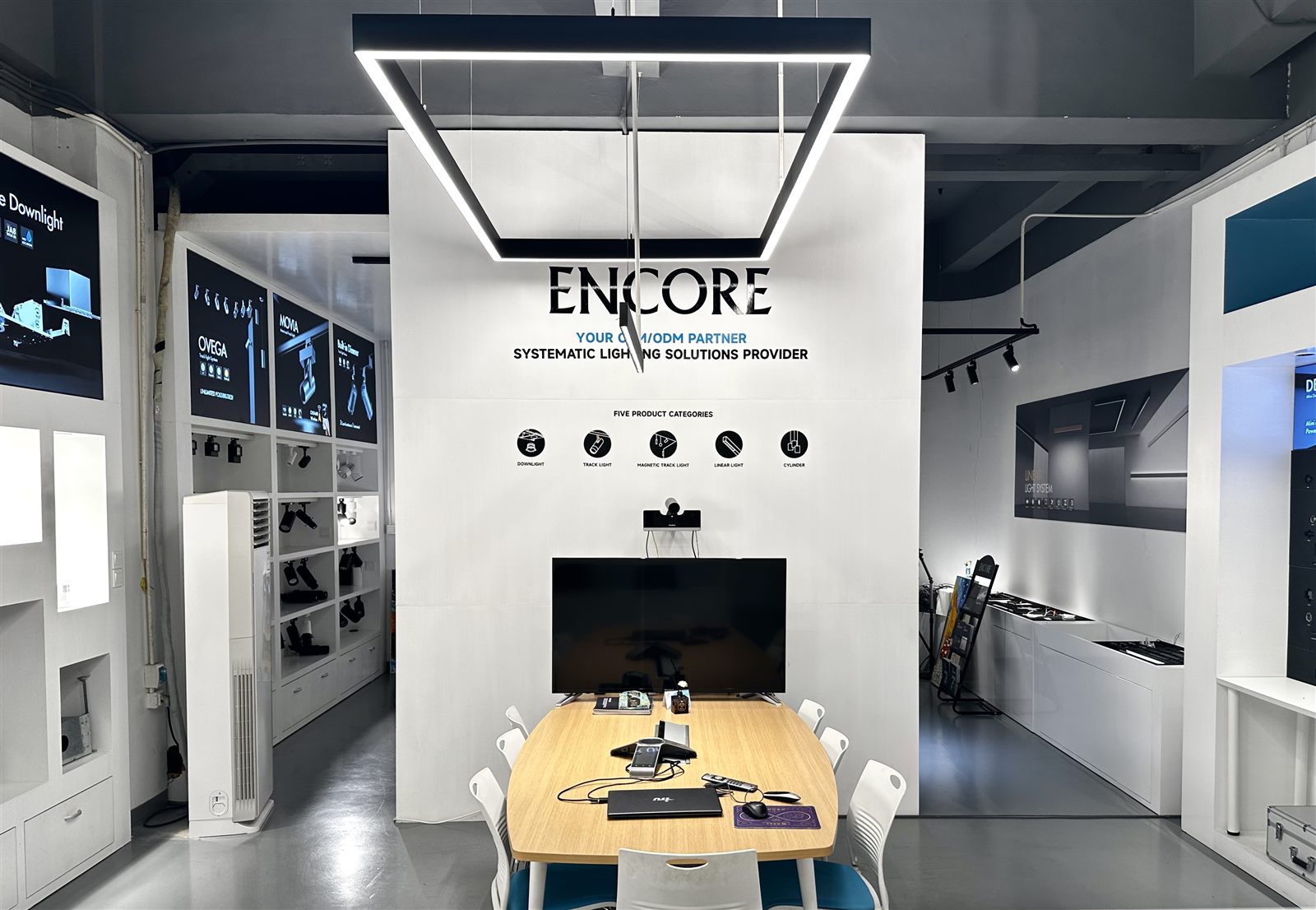
If you are building your own brand, one good sample means nothing — consistency across 5,000 units is everything. Evaluate the manufacturer’s platform thinking:
Datasheets are promises; installed projects are evidence. A capable track lighting manufacturer should show you completed work in demanding environments — museums and luxury retail are the hardest tests of beam quality, color fidelity, and glare control that exist.
Two examples of what project proof looks like in practice: the Sanxingdui Ruins Museum lighting project, where track lights had to reveal 3,000-year-old bronzes without damaging them or glaring at visitors, and the Beijing SKP luxury retail project, where color consistency across hundreds of fixtures was non-negotiable.
When a manufacturer shows you a project, ask: What was the fixture count? What SDCM binning was used? Were there any warranty claims? Specific answers signal real projects; vague answers signal stock photos.
| # | Checkpoint | What “Good” Looks Like |
|---|---|---|
| 1 | Factory verification | Live video tour of SMT, assembly, aging, packing |
| 2 | Optical portfolio | Multiple beams + anti-glare accessories per family |
| 3 | Goniophotometer | In-house IES/LDT files within 24h on request |
| 4 | Integrating sphere | Documented flux, efficacy, CRI, SDCM ≤3 |
| 5 | Burn-in testing | 100% powered aging before packing |
| 6 | Driver quality | Named brands, surge ratings, tracked failure rate |
| 7 | Floor discipline | IQC, labeled test status, serial traceability |
| 8 | Certifications | Certificate numbers match SKUs and verify online |
| 9 | OEM/ODM system | Shared platforms, custom builds, design protection |
| 10 | Project evidence | Named installations with specific technical answers |
A manufacturer owns the production line, tooling, and quality process; a supplier (or trading company) resells fixtures made by others. Manufacturers give you engineering-level control — custom optics, CCT builds, and direct accountability for defects. Suppliers add convenience but also margin and communication distance.
Critical for commercial work. Without a goniophotometer and integrating sphere, a factory cannot generate real IES files or control color consistency — which means your lighting designers are simulating with fictitious data and your batches may not match.
With 100% burn-in testing and quality branded drivers, field failure rates below 1% in the first two years are realistic. Factories that skip burn-in commonly see 3–5%.
For one-off small orders where customization and long-term consistency don’t matter, possibly. For projects, chains, or your own brand, the hidden costs of failures, color drift, and slow engineering feedback exceed the savings almost every time.
ENCORE is an ODM/OEM track lighting manufacturer with in-house optical development, photometric testing, and 100% burn-in on every fixture. Explore the CADIO and AIMER track light families, or see how our fixtures perform in real installations at Sanxingdui Museum and Beijing SKP. For OEM/ODM inquiries, project specifications, or IES files, contact our engineering team — we answer with data.