Address
304 North Cardinal
St. Dorchester Center, MA 02124
Work Hours
Monday to Friday: 7AM - 7PM
Weekend: 10AM - 5PM
Address
304 North Cardinal
St. Dorchester Center, MA 02124
Work Hours
Monday to Friday: 7AM - 7PM
Weekend: 10AM - 5PM
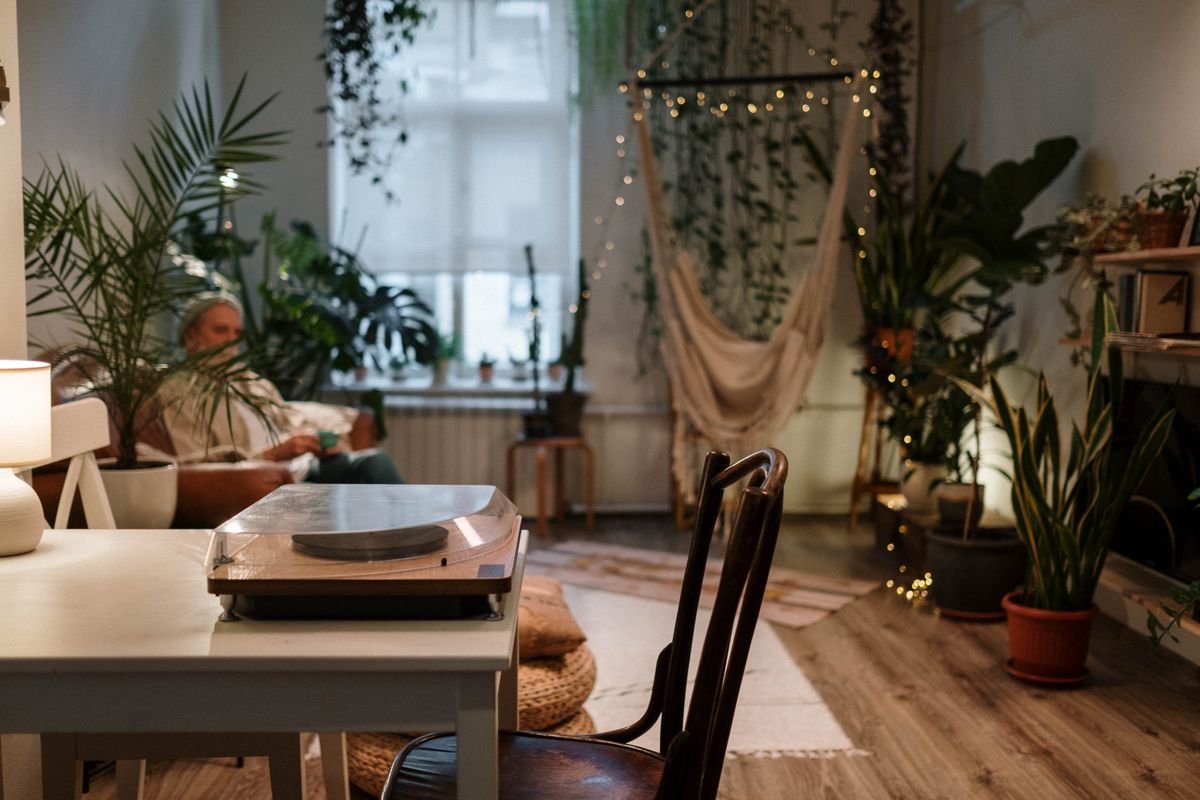
Beam angle is the most overlooked setting in home lighting — and the one that quietly decides whether your space feels warm or sterile. Measured in degrees, a beam angle defines how wide the cone of light spreads from a fixture. Narrow 15° beams create pinpoint pools of drama on your favourite artwork; wide 60° beams wash a whole wall in soft, even glow. This beam angle guide breaks down the four standard angles — 15°, 24°, 36° and 60° — and shows you exactly how to layer them in a cozy, bohemian-inspired home where warm textures, plants and handmade details deserve lighting that makes them glow.
A beam angle is the width of the cone of light emitted by a fixture, measured in degrees. At the same mounting height, a narrow beam delivers a concentrated, focused pool of light on a small area, while a wide beam spreads the same light over a much larger surface with less intensity per square foot.
The Illuminating Engineering Society (IES) publishes detailed guidance on beam spread for residential spaces. In a bohemian home — rattan furniture, layered textiles, trailing pothos and gallery walls — beam angle determines whether those textures read as warm or flat. A room lit entirely with narrow beams feels like a museum at night; a room lit entirely with wide beams loses all sense of depth and intimacy. The magic is in layering multiple beam angles to create distinct pools of light, shadow and warmth.
These four angles cover virtually every lighting need in a home. Each one behaves differently at typical ceiling heights (2.4–3 m), and each has a distinct role in creating that layered, inviting feel bohemian interiors are known for.
At a 15° beam angle, the light cone is extremely tight — roughly 0.6 m wide at a 2.4 m ceiling height. This is your accent light: it creates a crisp pool that makes a single object pop. Use it on:
In a bohemian space, the 15° beam is perfect for highlighting those one-of-a-kind pieces that tell your story — the Moroccan lantern, the flea-market terracotta vase, the pressed-flower frame from your grandmother.
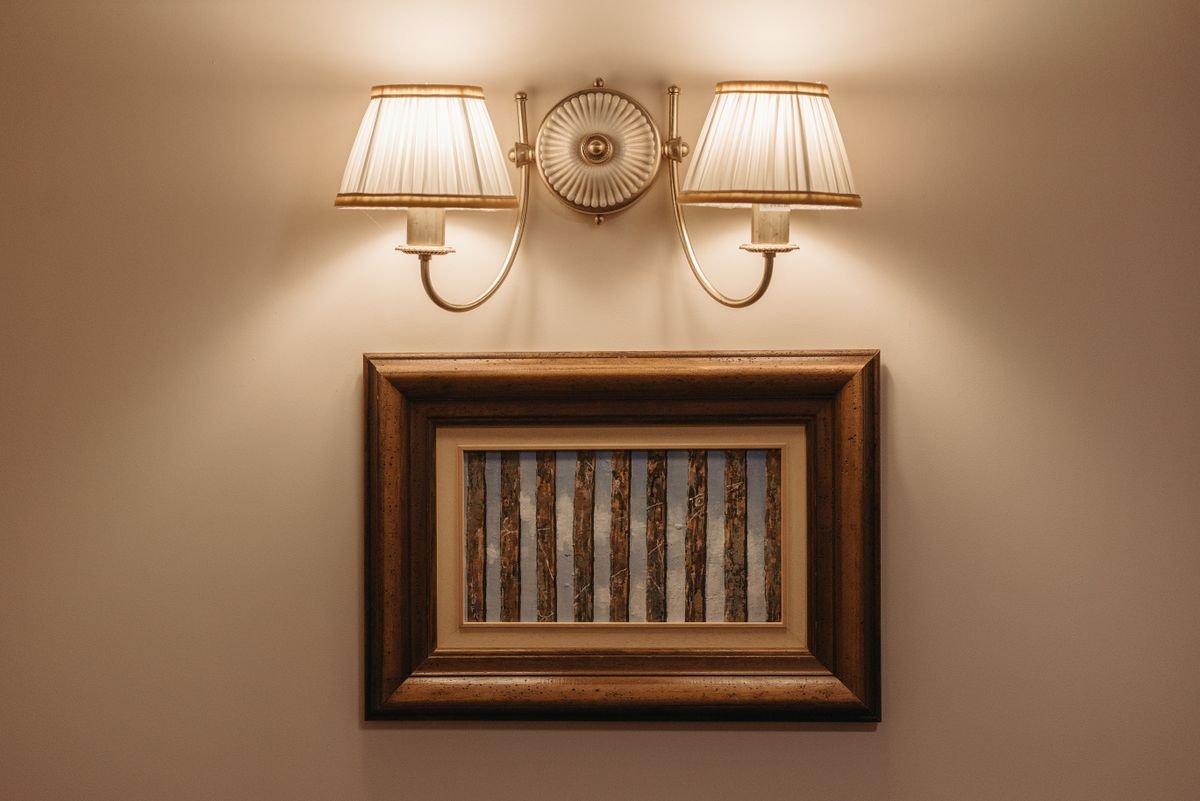
A 24° beam is the Goldilocks option — focused enough to define a surface, wide enough to be practical. At a typical ceiling height, it creates a light pool roughly 1–1.2 m wide. This is the angle you’ll reach for most often in a home.
Perfect for:
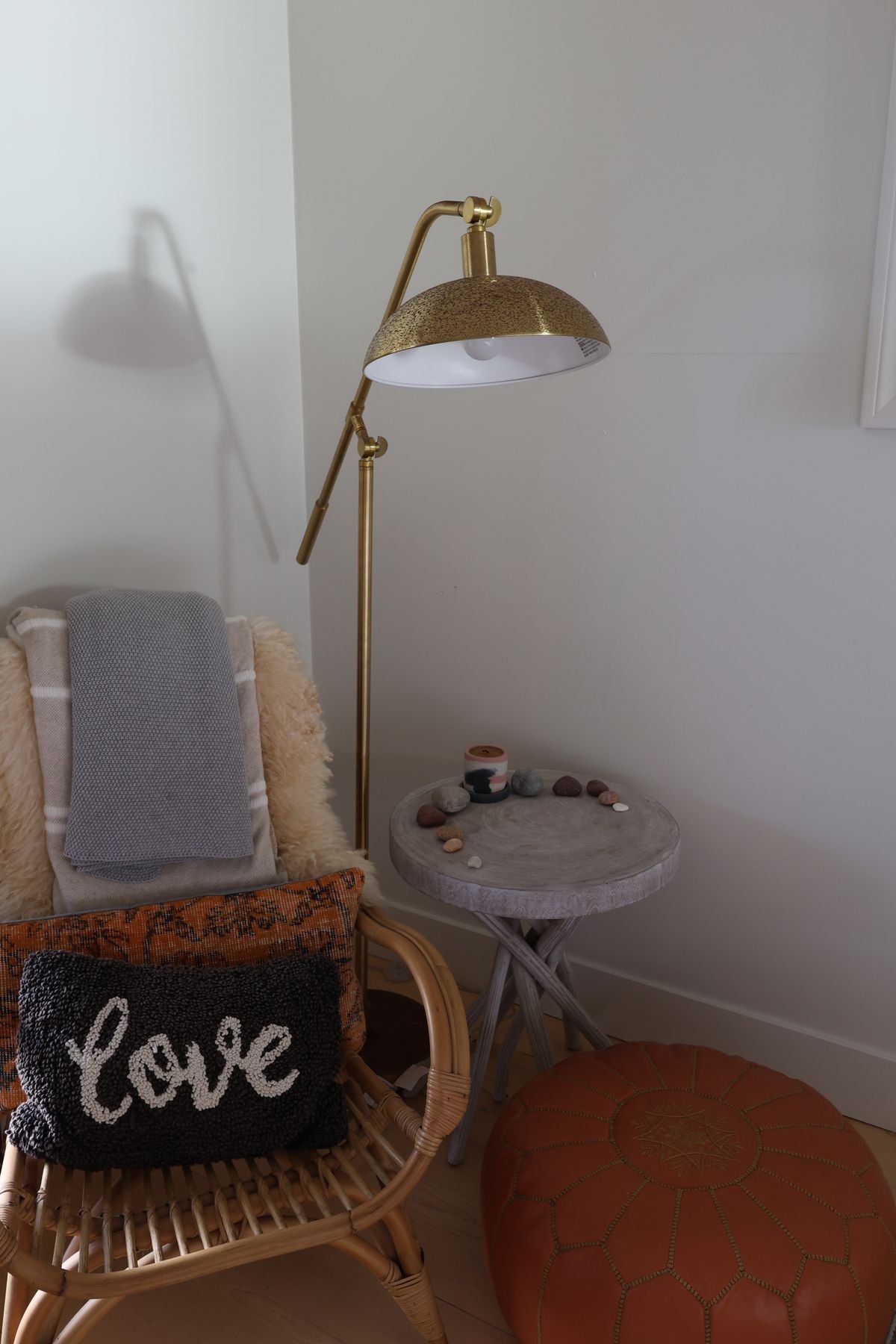
The 36° beam is the workhorse of layered home lighting. It spreads light over roughly 1.5–1.8 m at ceiling height — wide enough to wash a section of wall, soft enough not to create harsh shadows. This is the angle that makes a bohemian room feel lived in.
Use it for:
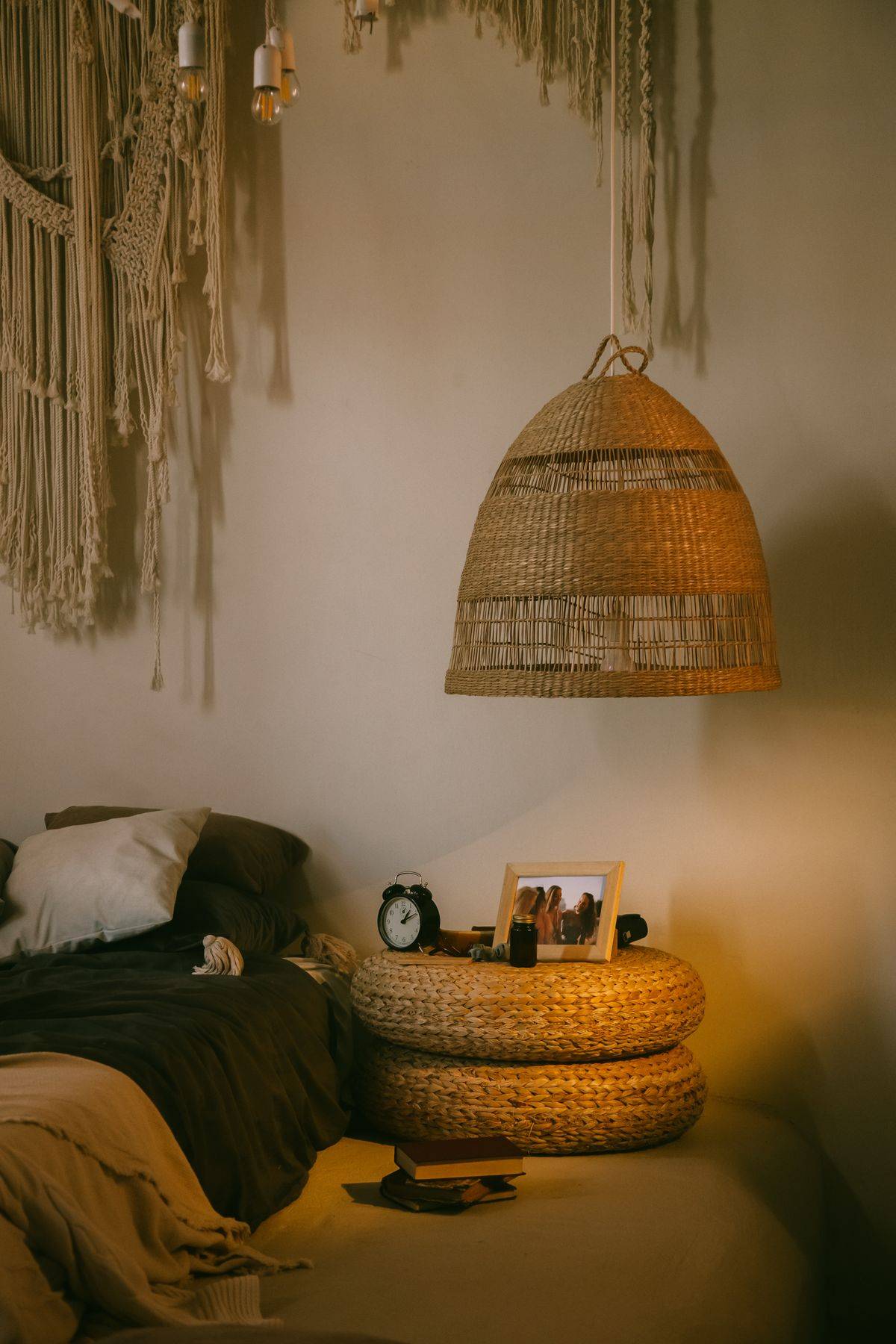
The 60° beam angle casts light over a very wide area — 3+ metres at ceiling height — creating even, diffused ambient illumination. This is your background light, the layer that prevents dark corners and makes a space feel comfortable rather than theatrical.
In a bohemian home, 60° beams work beautifully for:
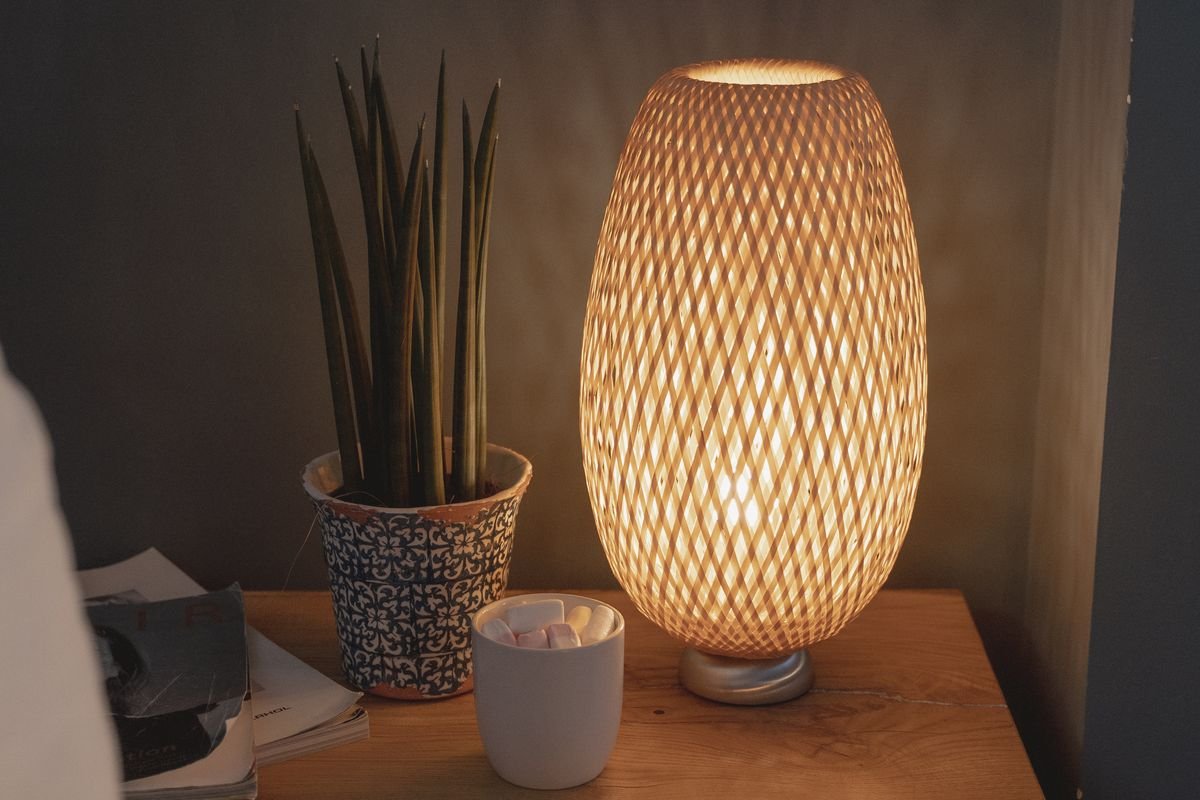
| Beam Angle | Light Pool Width (2.4m ceiling) | Intensity | Best For | Boho Home Use |
|---|---|---|---|---|
| 15° | ~0.6 m | High, focused | Artwork, objects, drama | Macrame wall art, ceramic vases, heirloom frames |
| 24° | ~1–1.2 m | Medium-high | Task + display | Kitchen counter, bookshelf vignettes, reading chair |
| 36° | ~1.5–1.8 m | Medium | Wall wash, furniture | Textured walls, sideboard displays, ambient layers |
| 60° | 3+ m | Low, diffused | Ambient wash | Whole-room warmth, hallways, open-plan base layer |
The secret to beautiful residential lighting isn’t choosing one beam angle — it’s combining several to build depth. Here’s a room-by-room blueprint that works beautifully in boho-style spaces:
Start with a base layer of 60° beams (2–4 heads depending on room size) on a dimmer for ambient warmth. Add 36° heads aimed at walls or large furniture to bring out texture and colour. Finally, add 15° spots on your hero pieces — a woven tapestry, a collection of ceramic vessels, a vintage mirror.
This three-layer approach mimics natural daylight — bright but soft, with defined pools and shadows. It’s the difference between a room that feels lit and one that feels loved.
Use 24° beams directly over prep areas and the sink for clear task lighting. Over the dining table, switch to 36° flood heads so the whole table surface is evenly lit — warm and intimate without harsh spot shadows. If you have an open shelf with ceramic plates or glassware, add a 15° spot to make those pieces glow.
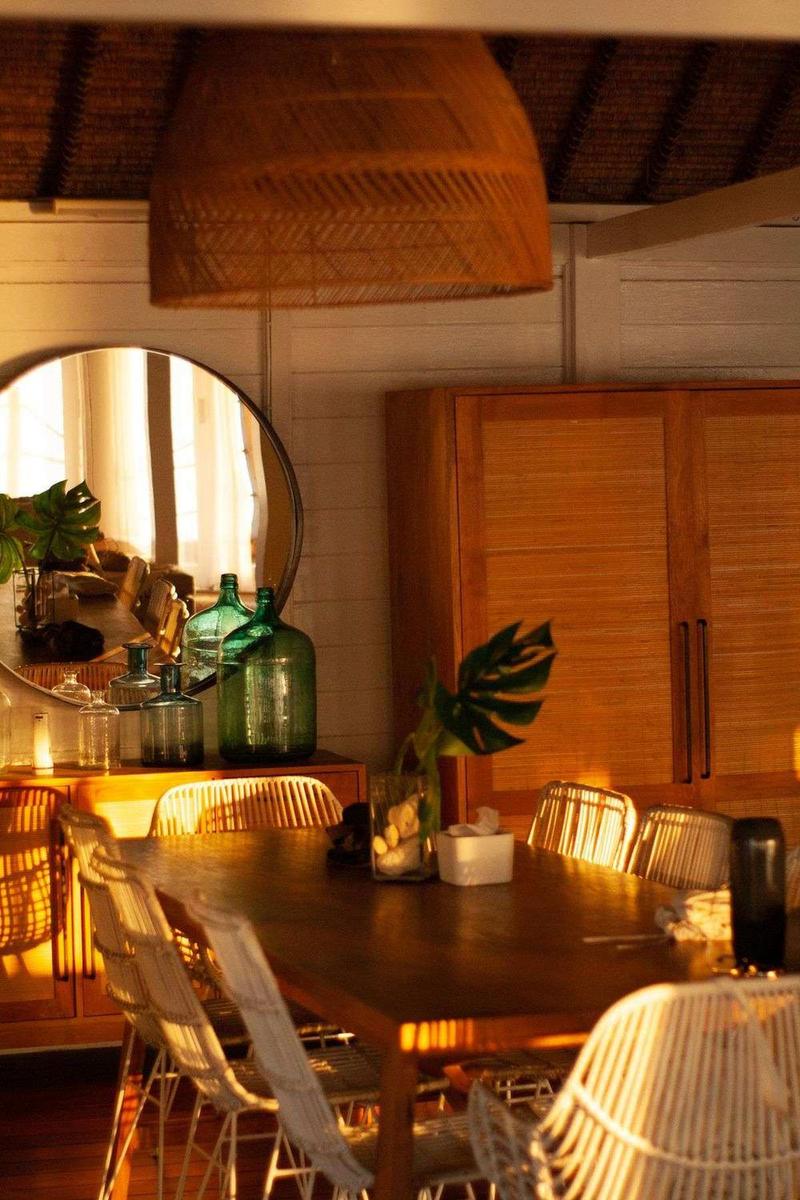
In the bedroom, use 36° beams with warm colour temperature (2700K–3000K) for ambient light, then add 24° heads as reading lights. Avoid 15° narrow spots unless you have specific artwork to highlight.
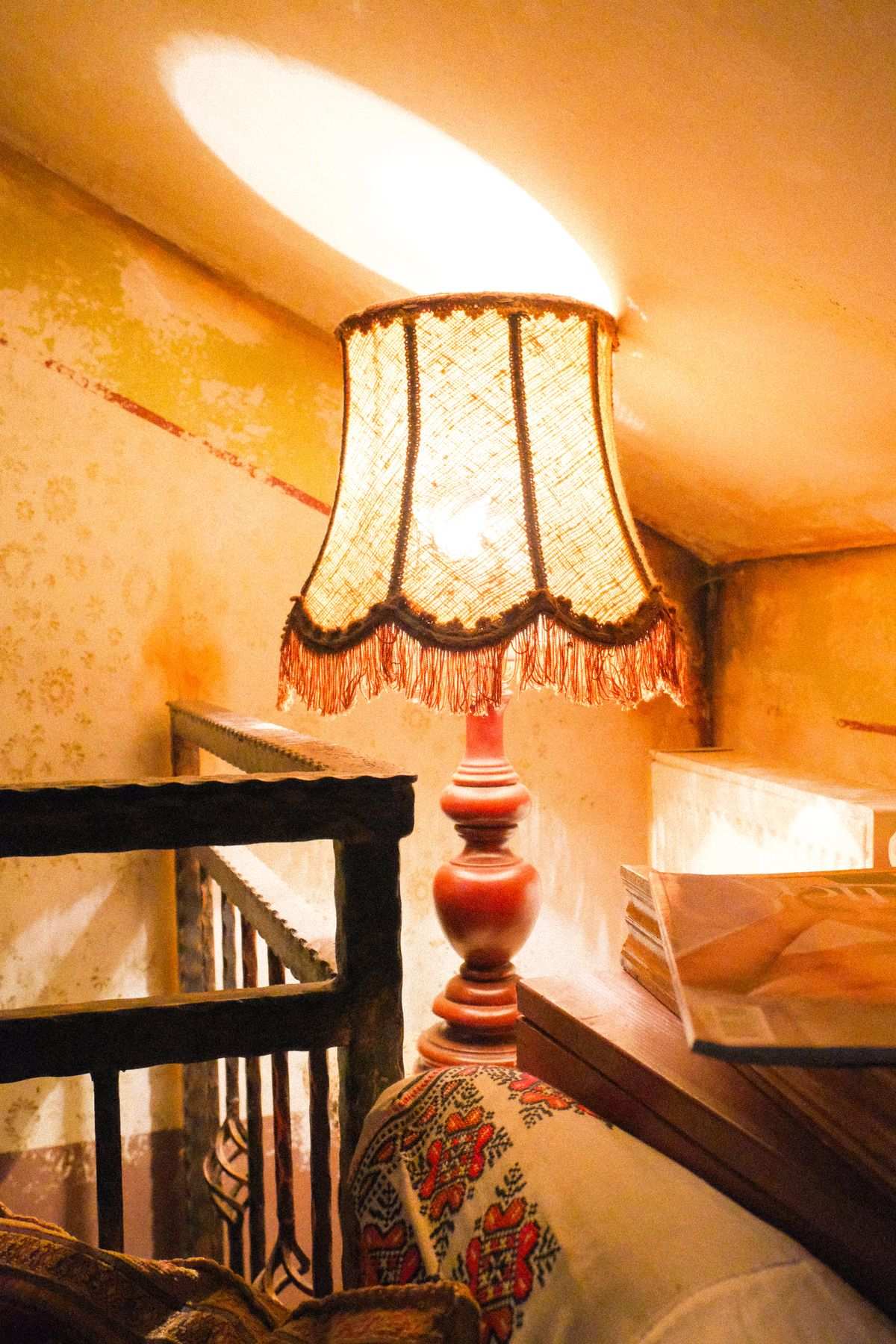
A hallway is where 60° beams shine — they flood the corridor with even, welcoming light that eliminates harsh shadows. Add one 24° head aimed at a side table with a vase or a bench with stacked throw pillows for a focal point as guests arrive.
Ceiling height dramatically changes how beam angles behave. The numbers above assume a standard 2.4 m ceiling, but here’s what happens at other heights:
A common confusion is thinking that a wider beam means “more light.” In reality, the total lumens stay the same — the beam angle just spreads them differently. A 15° head concentrates the same lumens into a tiny area, making it appear much brighter. A 60° head spreads the same lumens over a wide area, making the light appear softer and more diffused.
This means you don’t need to “choose” between brightness and coverage. You need to match the beam angle to the job — narrow for emphasis, wide for ambience — and use dimming to fine-tune the mood.
Not sure which beam angle you need? Consider zoomable track light heads. These fixtures let you adjust from tight 15° spots to wide 36° floods on the fly.
This is especially useful for renters or people who love rearranging their spaces. One day you’re spotlighting a new macrame piece; the next you’re washing the wall in warm light for movie night. Magnetic track systems with zoomable heads give you maximum flexibility for ever-evolving bohemian decor.
Combine 36° and 60° beams for ambient warmth, with 15°–24° heads for accent highlights on artwork. Layered angles create the most inviting atmosphere.
At a standard 2.4 m ceiling, a 15° beam creates a tight 0.6 m pool of focused light (perfect for spotlighting a single object), while a 24° beam spreads to about 1–1.2 m (better for task lighting and medium displays).
Absolutely — this is actually the recommended approach. Mixing 15°, 24°, 36° and 60° heads on the same track creates a layered, three-dimensional lighting effect that’s far more appealing than using one angle throughout.
No. Beam angle only controls how light is distributed — the wattage and energy consumption remain the same. A 15° head and a 60° head at the same wattage use identical energy.
While beam angle itself doesn’t change energy use, choosing the right angle reduces wasted light and lowers your lighting load. A beam too narrow means extra fixtures; one too wide spreads light where it’s not needed. ENERGY STAR-rated LED fixtures minimize both wattage and waste.
Mastering beam angles — 15° for drama, 24° for focus, 36° for wash and 60° for ambience — is the fastest way to transform a house into a warm, layered home. In a bohemian space full of texture, plants and personality, the right combination of beam angles makes every handcrafted detail glow.
For maximum flexibility, look for adjustable track lighting heads and zoomable fixtures that let you fine-tune each beam to suit your evolving decor. Need help planning your beam angle layout? Contact our lighting team for a free consultation.