Address
304 North Cardinal
St. Dorchester Center, MA 02124
Work Hours
Monday to Friday: 7AM - 7PM
Weekend: 10AM - 5PM
Address
304 North Cardinal
St. Dorchester Center, MA 02124
Work Hours
Monday to Friday: 7AM - 7PM
Weekend: 10AM - 5PM
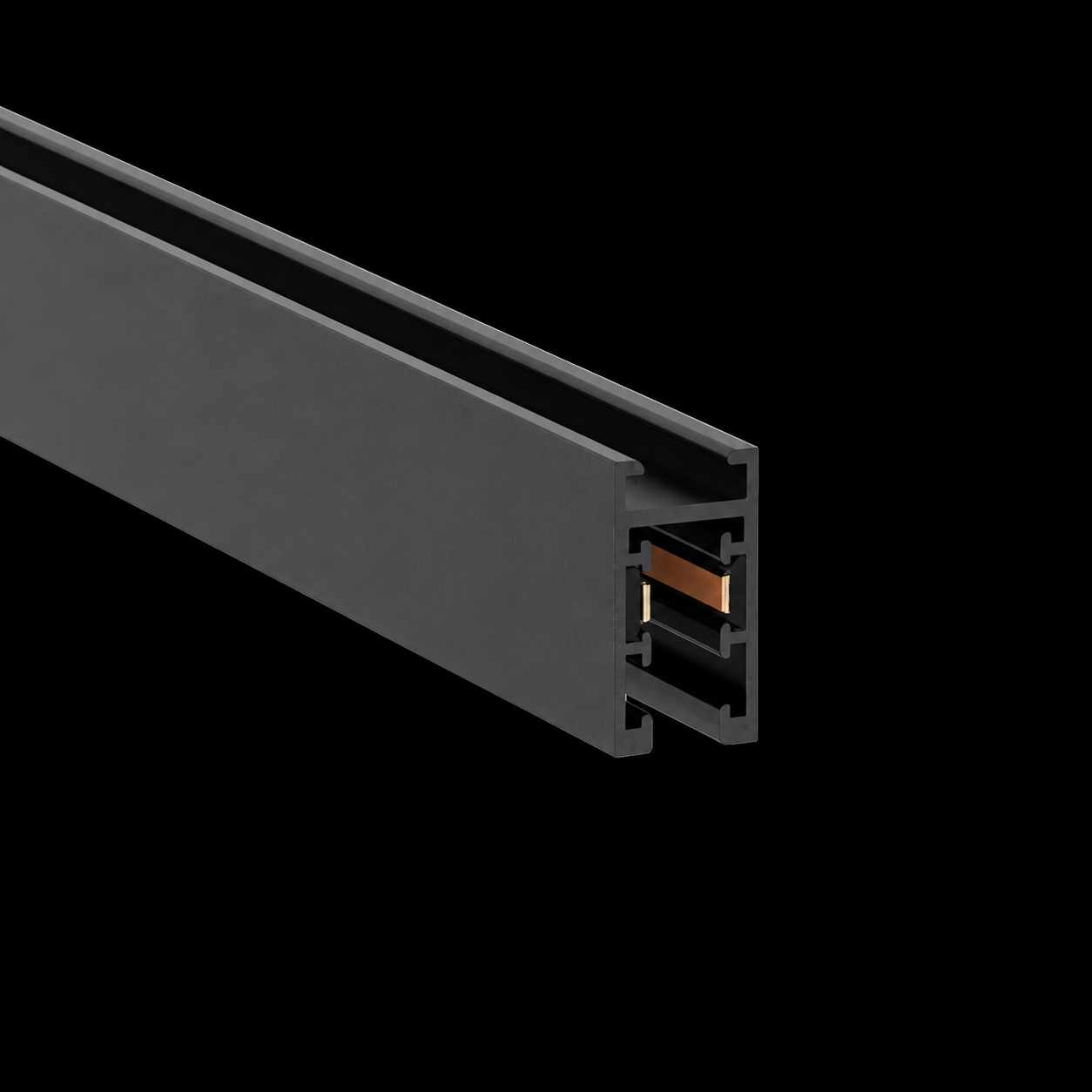
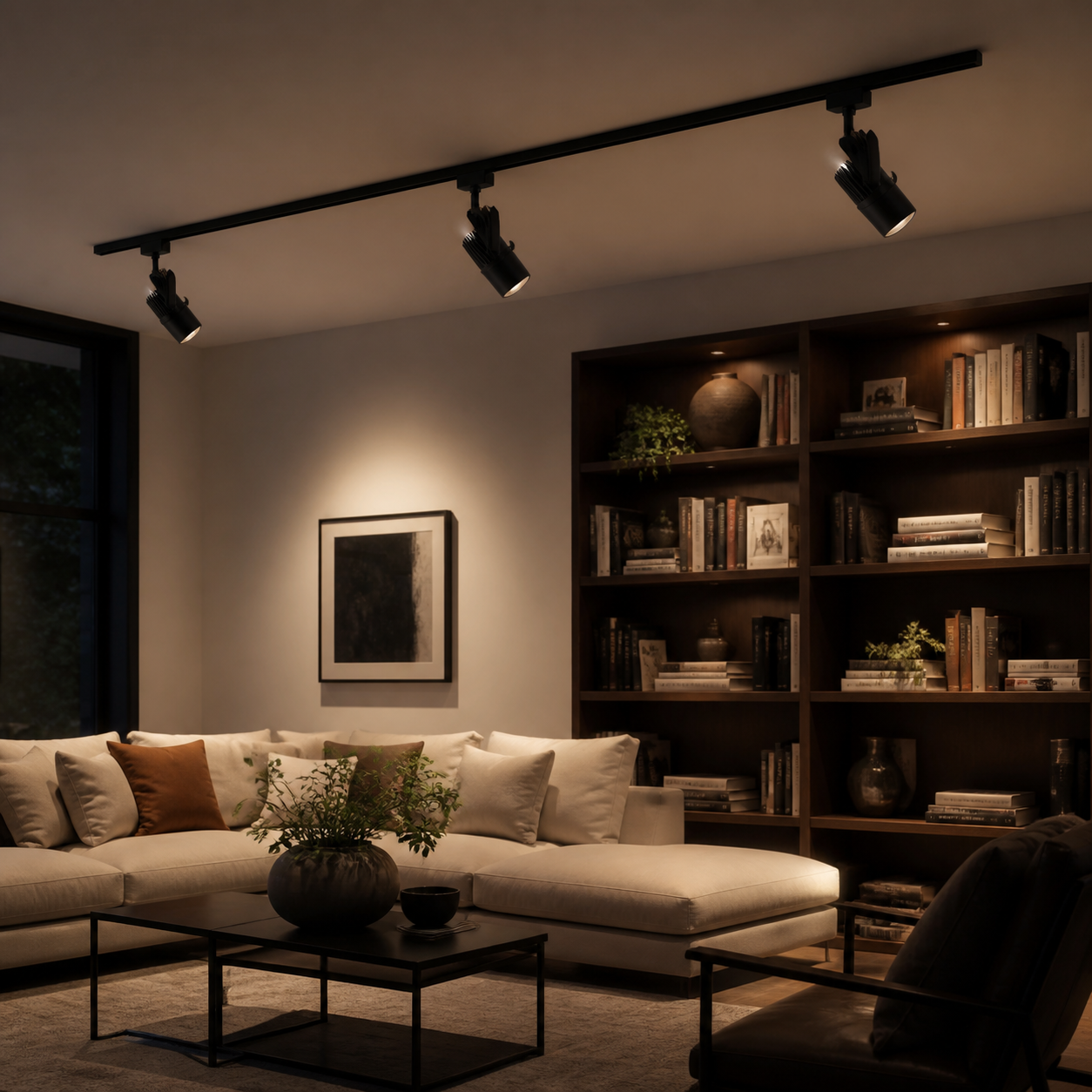
Magnetic track lighting and traditional track lighting do the same job — putting adjustable light where you need it — but they are engineered completely differently under the skin. That difference decides everything: how slim the rail can be, how safe the installation is, how much power a single run can deliver, and how much your reconfiguration habit will cost over ten years. This comparison breaks the two systems down by architecture, physics, cost and real room-by-room use, then gives you a decision framework so you can pick the right system without overspending.
Traditional track lighting (also called conventional or 3-wire track) carries standard mains voltage — 110–277V — directly inside an aluminum rail. Fixtures clip or twist onto the rail and make electrical contact through copper conductors built into the track. It has been around since the 1960s, is sold at essentially every lighting retailer, and accepts a huge range of fixtures from multiple brands.
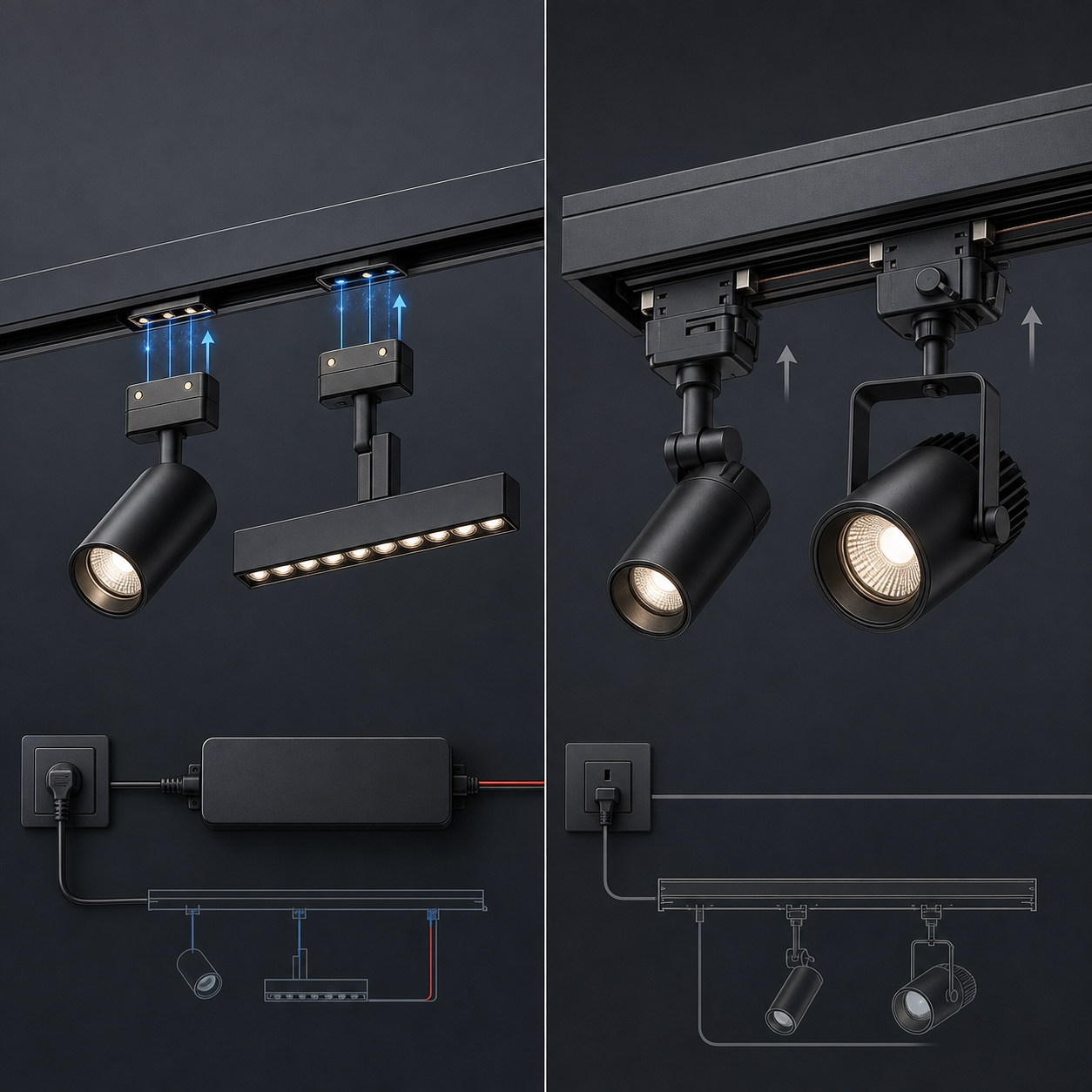
Magnetic track lighting is a newer, low-voltage system. A slim aluminum profile carries 24V or 48V DC supplied by a separate driver (power supply). LED heads attach with strong neodymium magnets that also complete the electrical contact, and they can be slid anywhere along the rail — and swapped in or out in seconds without tools.
Everything else in this article follows from those two architectural facts: voltage, connection method, and rail construction.
| Criterion | Magnetic Track Lighting | Traditional Track Lighting |
|---|---|---|
| Operating voltage | 24V / 48V DC (low voltage, via driver) | 110–277V AC (mains, no driver needed) |
| Rail profile | Ultra-slim (5–20mm), minimal look | Bulky (25–40mm), visible hardware |
| Fixture attachment | Magnetic snap-on, tool-free | Clip / twist-lock, needs hands or tool |
| Repositioning | Slide anywhere, swap in seconds | Unclip and re-clip at fixed points |
| Max power per run | Low (48V cap) | High |
| Safety | Safer DIY, low-voltage risk | Mains voltage, qualified installer advised |
| Fixture ecosystem | Growing, mostly single-brand or compatible | Huge, multi-brand interchangeable |
| Typical cost | Higher upfront (rail + driver + heads) | Lower upfront, wider price range |
The single biggest visual difference — slim 5mm rail vs chunky 30mm rail — is not a styling choice. It is electrical engineering. A mains-voltage track must isolate live conductors, carry enough copper for 120–277V, and provide secure spacing between contacts. That forces a physically large profile. A 48V system needs far less insulation and thinner conductors, so the rail can be as slim as 5mm, which is why magnetic tracks disappear into the ceiling while traditional tracks read as a visible linear element.
Low voltage also changes the safety equation. Touching a 48V DC rail is not pleasant but is far less dangerous than touching a live 220V conductor. Electricians generally agree magnetic track is friendlier for retrofit DIY projects: you run a low-voltage cable from a driver to the rail, and the rail itself is no longer a mains-voltage hazard for later adjustments. That is a genuine advantage for homeowners who want to reposition lights themselves later.

The magnetic attachment is the feature everyone talks about — and the trade-off everyone underreports. On the plus side: you can slide a magnetic head anywhere along the rail, swap a spot for a linear bar in three seconds, and reconfigure a room in minutes without tools. For renters and design changers (art buyers, boutique owners, growing families) this reconfigurability is a real, recurring benefit.
On the minus side, magnetic systems carry a power ceiling. Because the magnet must hold the head in place and the rail carries only 48V, individual magnetic heads are typically limited to about 5–25W. A traditional track head can run 30W, 50W or more because mains voltage delivers more power through the same contact geometry. So if your plan involves high-wattage accent lighting — big pendant heads, deep baffle spotlights over tall atriums, or commercial display lighting with 50W+ per head — traditional track remains the practical choice.
There is also a reliability question worth being honest about: strong permanent magnets can degrade with extreme heat over years, and the magnetic contact depends on clean rail surfaces. Quality brands use temperature-stable magnets and plated contacts, but cheap imports are the classic failure point. If you buy magnetic track, buy the rail and heads from the same manufacturer and check the magnet grade — this is the hidden differentiator between a 5-year system and a 20-year system.
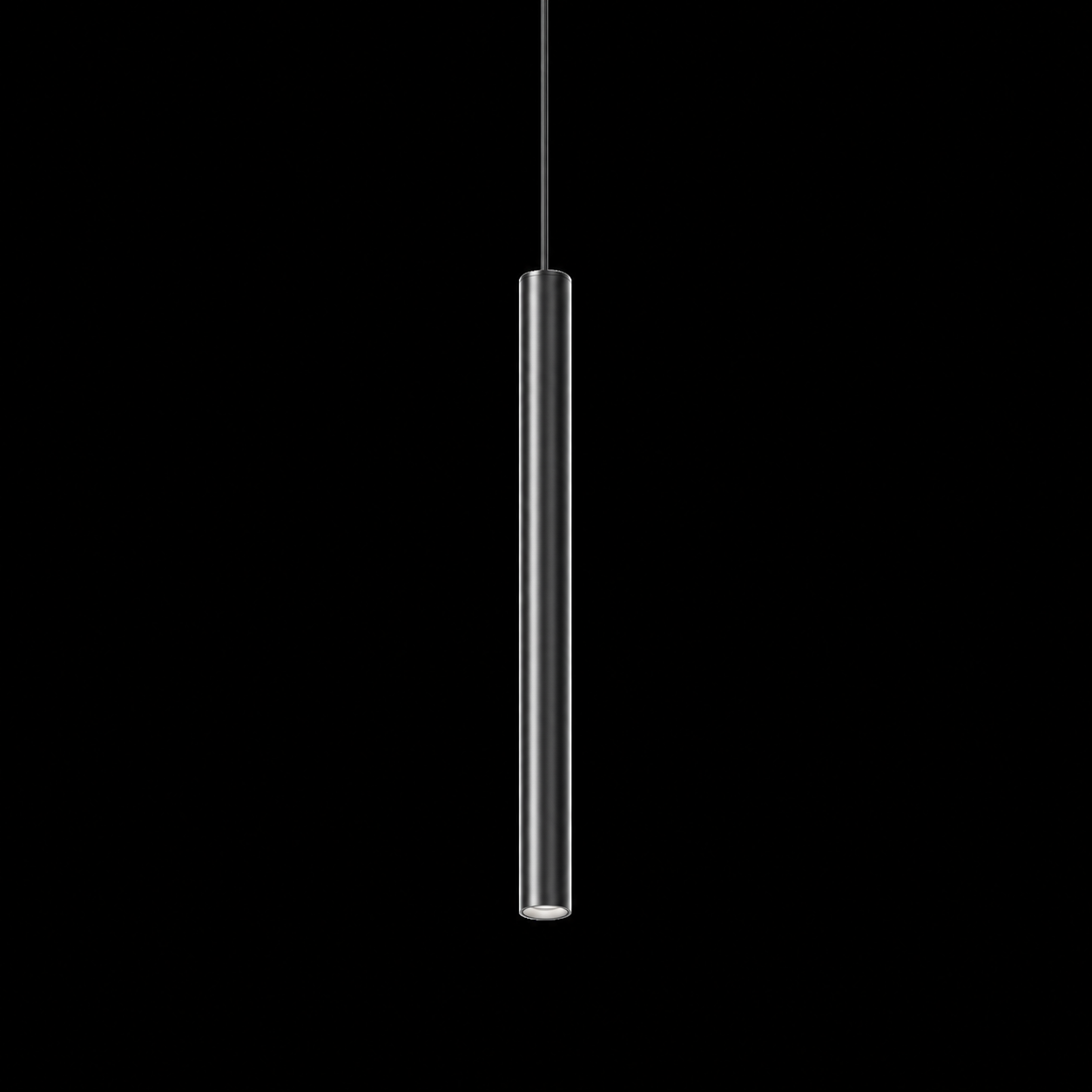
Traditional track lighting has survived six decades for three concrete reasons. First, power: a mains-voltage rail can feed high-wattage heads (30–60W per head is common) over long runs, which matters for retail, restaurants, and any space needing serious light output. Second, interoperability: a standard 3-wire track accepts fixtures from dozens of brands worldwide — you are never locked into one manufacturer’s ecosystem. Third, cost: basic rails and heads are inexpensive, and because there is no driver, no transformer, and no proprietary magnet standard, the whole system is cheaper to buy and to replace part-by-part.
The downsides are equally concrete. The rail is bulky and visible, which fights a minimalist aesthetic. Repositioning means unclipping and reclipping fixtures at fixed track slots — doable, but slower and less elegant than a magnetic slide. And the mains-voltage rail is less forgiving for DIY: modifications should be done by someone comfortable with live-wire work, and most building codes require a licensed electrician for the connection.
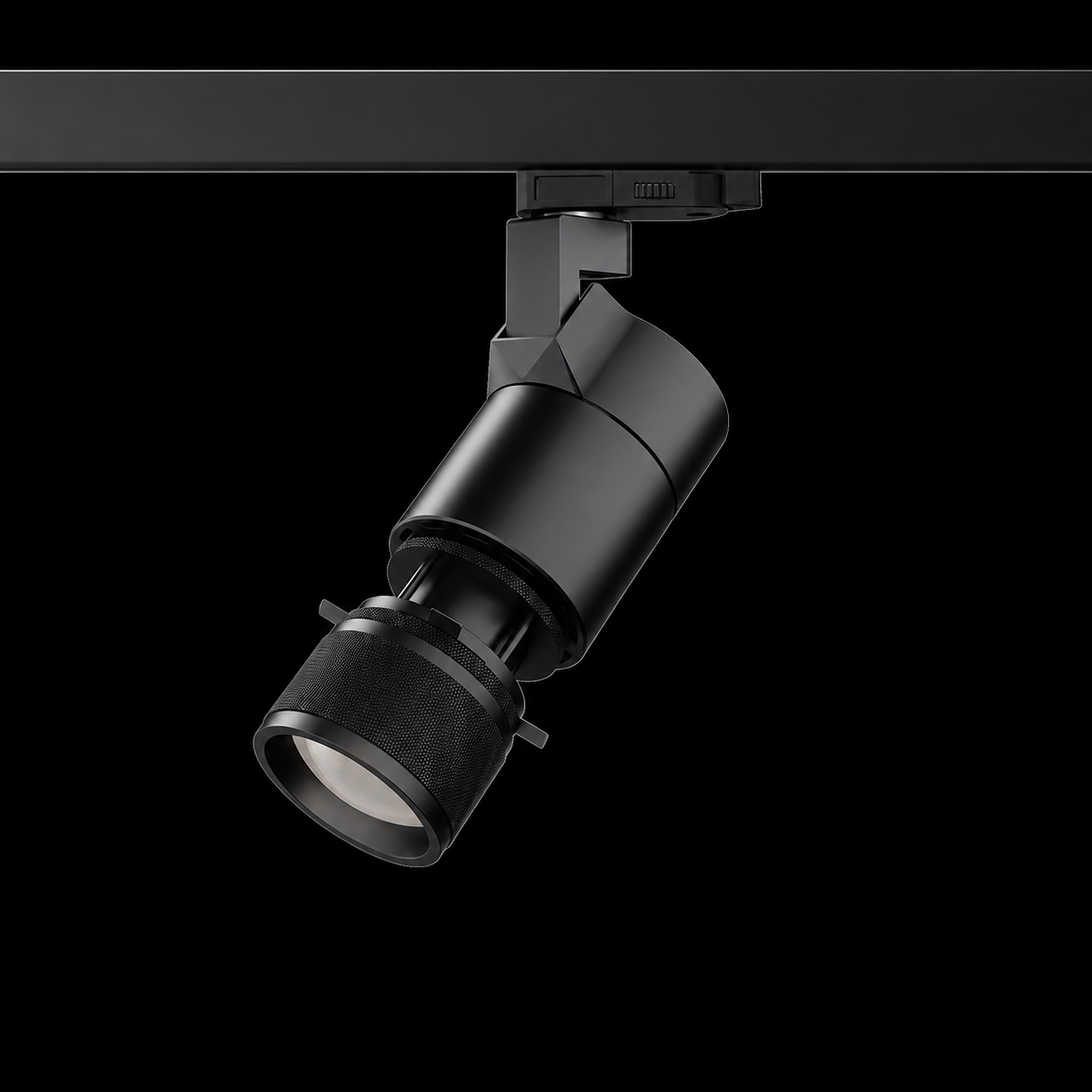
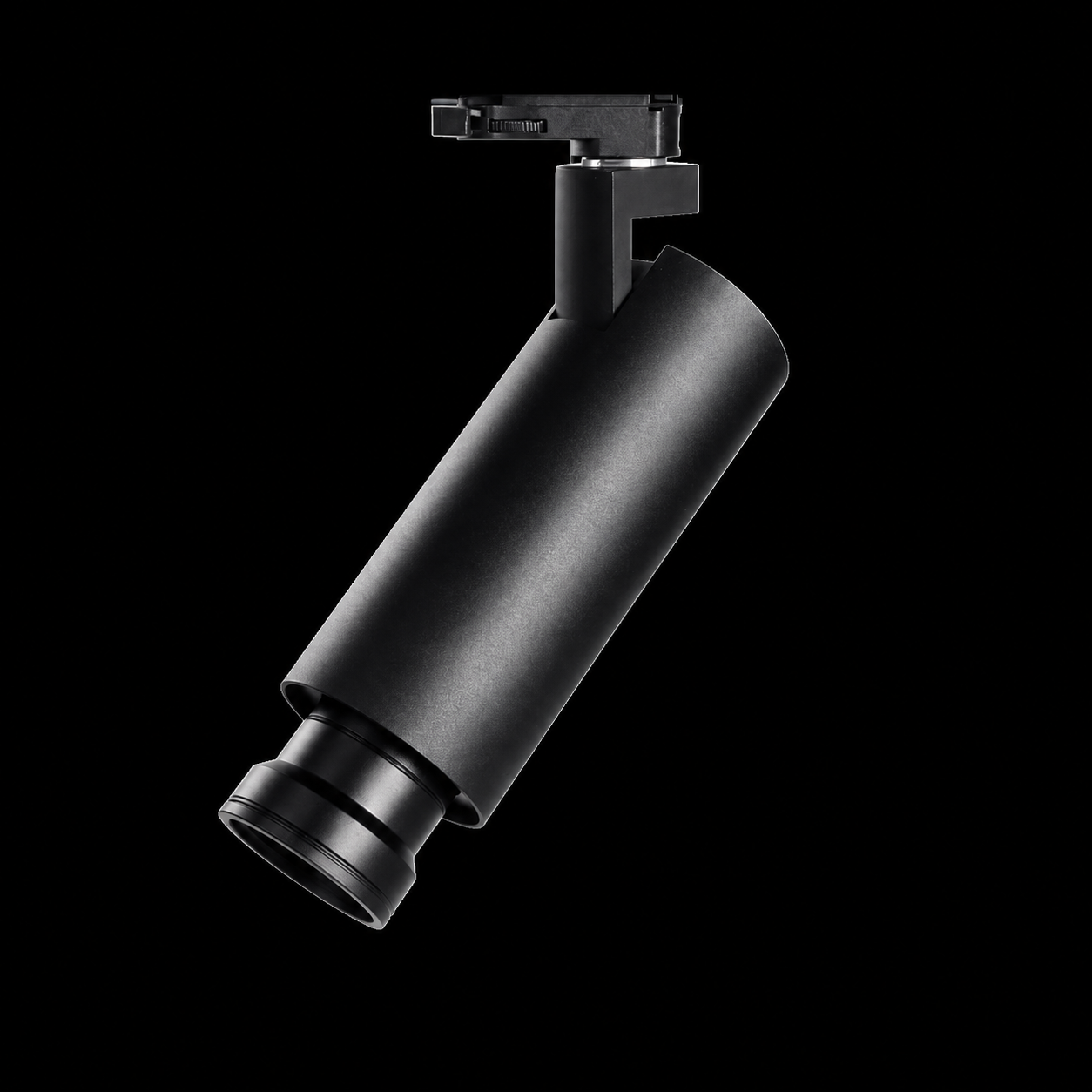
Retail pricing makes magnetic track look like the luxury option — because it usually is, on day one. A typical cost breakdown:
| Component | Magnetic System | Traditional System |
|---|---|---|
| Rail (per meter) | $10–$30 (slim profile + plating) | $5–$15 |
| Driver / transformer (per run) | $15–$50 | None (mains direct) |
| LED head (per fixture) | $15–$60 | $8–$40 |
| Installation (typical room) | Similar labor; DIY friendlier | Similar labor; pro recommended |
| Reconfiguration cost (per change) | $0, tool-free, 5 seconds | $0, but 5–15 minutes per head |
| 5-year TCO (12-head setup) | Higher upfront, lower change cost | Lower upfront, similar running cost |
The long-term math depends entirely on how often you reconfigure. If you set a layout and leave it for years, traditional track is cheaper and its higher wattage means fewer fixtures to buy. If you change displays monthly (boutiques, galleries, growing families), the tool-free magnetic slide pays for its premium within a few reconfigurations — plus you never pay an electrician just to move a light again.
Both systems need a ceiling junction box and a secure mount, but the electrical work diverges:
One overlooked detail: magnetic systems with smart control. Because the driver sits between the mains and the rail, magnetic setups naturally support 0–10V dimming, DALI, Zigbee or Matter control at the driver — one control point for the whole rail. Traditional tracks need dimmable heads or an in-line dimmer switch per circuit, which is more wiring and more failure points.
| Space | Winner | Why |
|---|---|---|
| Minimalist living room / dining | Magnetic | Slim rail disappears; light appears to float; easy reconfig for art swaps |
| Kitchen (island / under-cabinet) | Magnetic | 24/48V rail is safe near prep areas; slim profile suits modern cabinets |
| Boutique / showroom / changing displays | Magnetic | Monthly reconfiguration, tool-free; low-voltage safer for frequent touching |
| Gallery / museum | Either (magnetic edge) | Both reposition well; magnetic wins if beams change often with exhibits |
| Retail with high ceilings (big-box, restaurants) | Traditional | Needs 30–60W per head and long runs; mains power delivers |
| Loft / industrial / lots of existing fixtures | Traditional | Interoperable with existing inventory, high power, lowest cost |


Skip the marketing and answer these four questions honestly:
If your answers point to magnetic, look for quality markers: same-brand rail and heads, temperature-stable magnets, CRI 90+ optics, 48V driver with a real dimming protocol. If they point to traditional, size the rail to the circuit (16A rail for high-wattage runs) and buy fixtures with good heat sinks — that is where cheap tracks fail within two years.
Is magnetic track lighting better than traditional track lighting? Neither is universally better. Magnetic wins on slim aesthetics, tool-free reconfiguration, low-voltage safety and smart-control ease; traditional wins on per-fixture wattage, ecosystem interoperability and upfront cost. The right choice depends on your wattage needs and how often you will reconfigure.
Why is magnetic track lighting more expensive? The slim rail profile, plated magnetic contacts, temperature-stable magnets, low-voltage drivers and proprietary ecosystem all cost more to engineer than a basic mains rail. You pay for the design and the flexibility, not just the light.
Can magnetic track heads be used on traditional tracks? No. Magnetic heads need the low-voltage rail with embedded magnets and DC contacts; traditional tracks use mechanical clips and mains voltage. The two are not electrically or mechanically compatible.
How much power can magnetic track lighting handle? Individual magnetic heads are typically limited to 5–25W because the low-voltage rail limits current; a 48V rail can still serve several heads per run, but high-wattage fixtures (30W+) belong on traditional track.
Is magnetic track lighting safe for DIY installation? Yes, more so than mains track. The rail runs at 24/48V DC, so touching it during adjustment is low-risk; only the driver connection to the mains should be done by a qualified electrician.
Magnetic track lighting is not a luxury upgrade — it is a different engineering trade-off set. Buy it when you want a disappearing rail, need low-voltage safety, and will actually use the tool-free flexibility. Buy traditional track when you need high wattage, want brand interoperability, or simply want the lowest cost per lumen. Both are excellent systems when matched to the right room.
Ready to spec either system? Explore our magnetic track lighting range (slim 5mm and 20mm rails with interchangeable NOVA heads) or our traditional track lighting range with high-wattage CADIO and AIMER heads. For the full anatomy of magnetic systems, read What Is a Magnetic Track Lighting System?, and for dimming options across both systems see 0-10V vs DALI vs Triac.
For a deeper technical grounding on how low-voltage magnetic systems are built and certified, the UL guidance on low-voltage lighting systems and the IES recommended practice on lighting control are the industry references behind the safety and dimming points above.